
Why Premium Game Graphics Are Non-Negotiable for Player Retention
Premium game graphics are no longer just a marketing hook; they are a functional requirement for keeping players engaged. In an era where visual fidelity signals technical competence, low-quality assets often signal a lack of polish before the first gameplay loop even begins. Players expect their time investment to be met with an immersive visual experience that respects their attention.
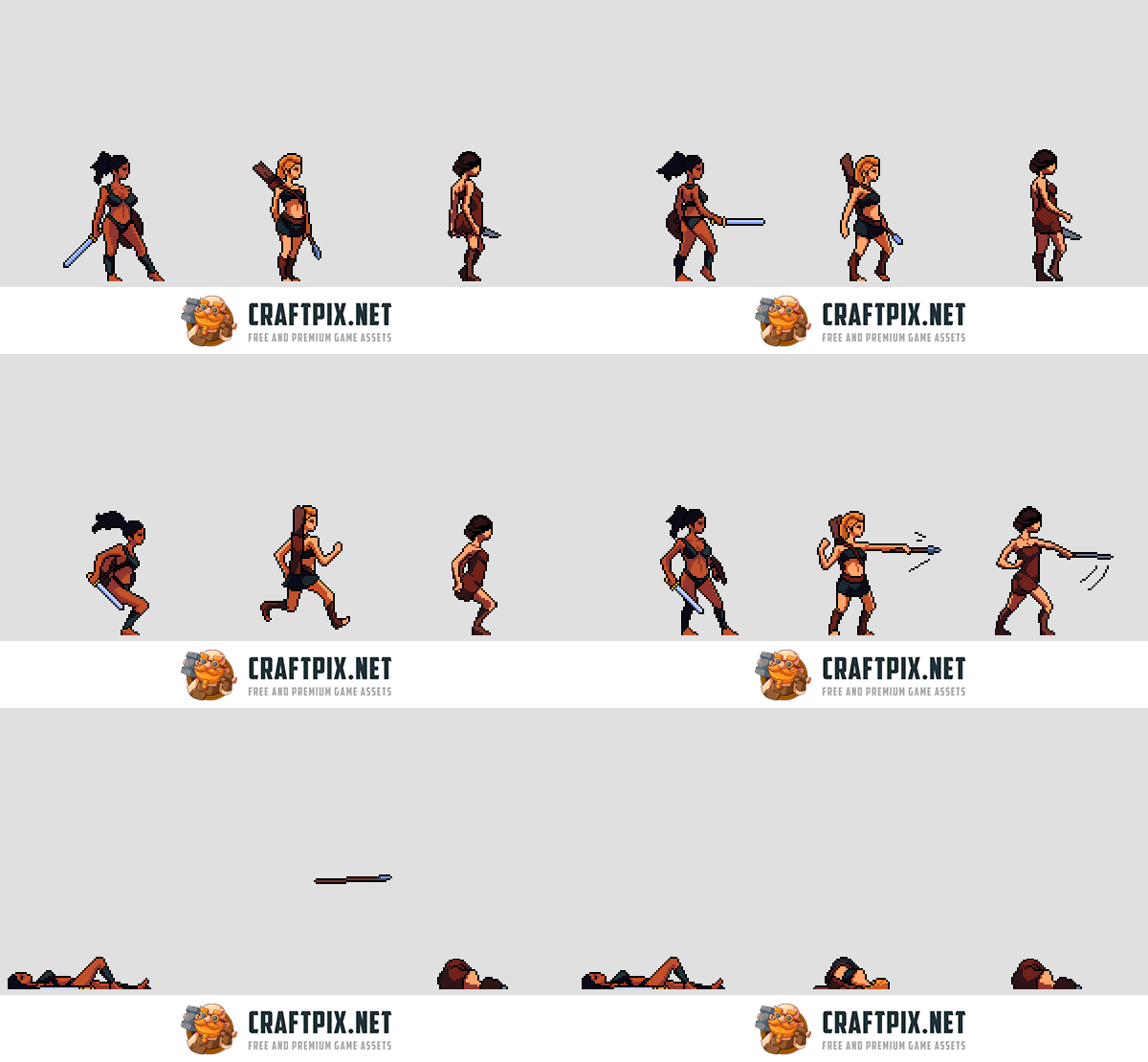
Consider the difference between a game that uses generic, low-resolution textures and one that employs detailed character sprite packs. The former creates immediate distance, reminding the player they are looking at a cheap product. The latter builds a world that feels lived-in and intentional. This distinction is critical for indie developers competing against larger studios with bigger budgets.
Visuals act as the primary filter for player retention. When a game looks premium, it sets an expectation of quality that the gameplay must then deliver. If the graphics are an afterthought, players are more likely to abandon the game within the first few minutes, regardless of how innovative the mechanics might be. Investing in high-quality visuals is investing in the player's willingness to stay.
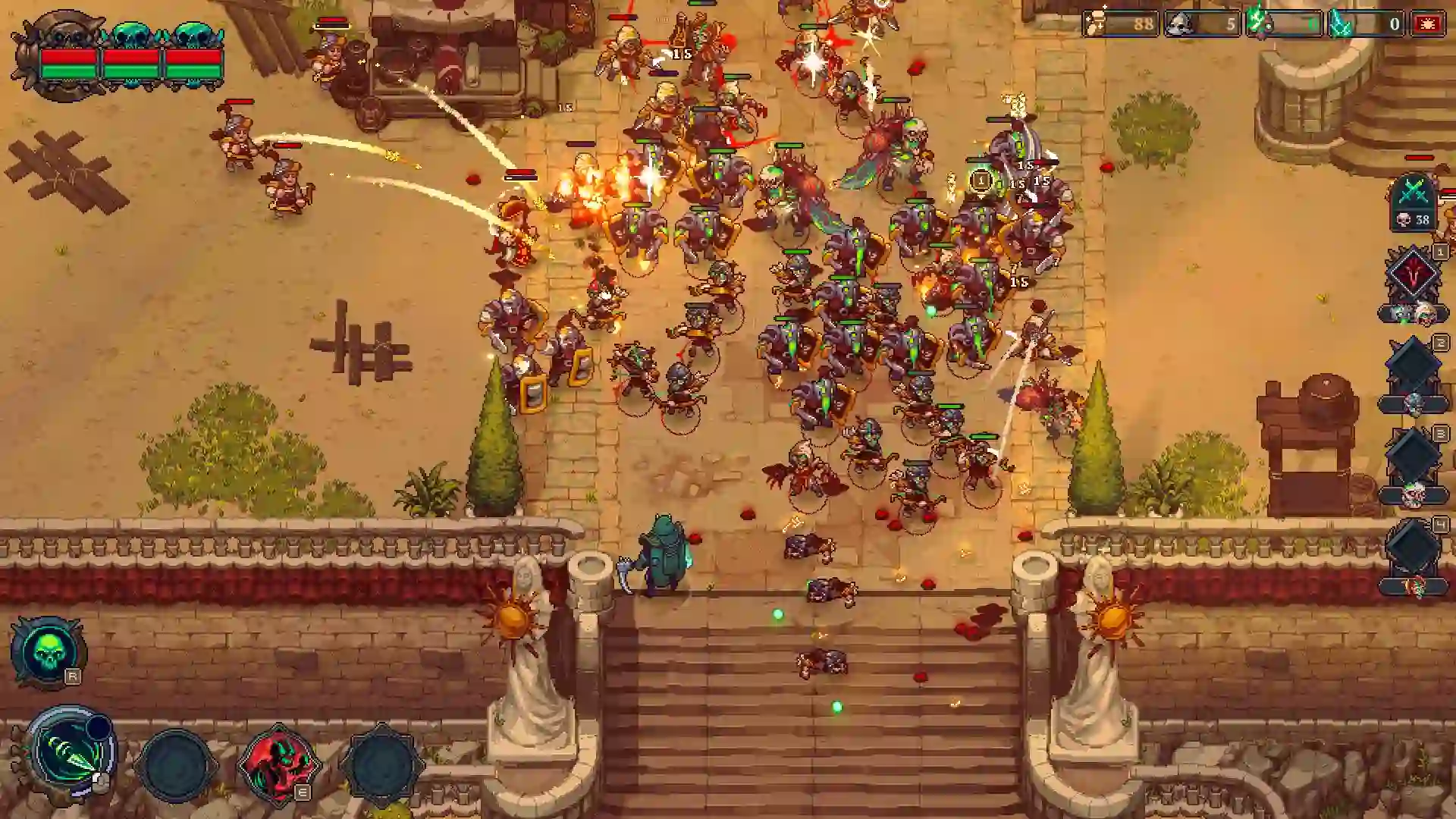
Premium game graphics choices that change the plan
Use this section to make the The Indie Game Visual Standard decision easier to compare in real life, not just on paper. Start with the reader's actual constraint, then separate must-have requirements from details that are merely nice to have. A practical choice should survive normal use, maintenance, timing, and budget. If a recommendation only works in an ideal situation, call that out plainly and give the reader a fallback path.
| Factor | What to check | Why it matters |
|---|---|---|
| Fit | Match the option to the primary use case. | A good deal still fails if it does not fit the job. |
| Condition | Verify age, wear, and service history. | Hidden condition issues erase upfront savings. |
| Cost | Compare purchase price with likely upkeep. | The cheapest option is not always the lowest-cost option. |
How to evaluate premium game graphics and character sprite packs
Choosing between premium game graphics and character sprite packs isn't just about aesthetics; it's about player retention. Players judge the quality of a game's world within the first few minutes. If the visuals feel disjointed or low-effort, they leave. This section breaks down the decision framework for selecting the right visual assets for your indie project.
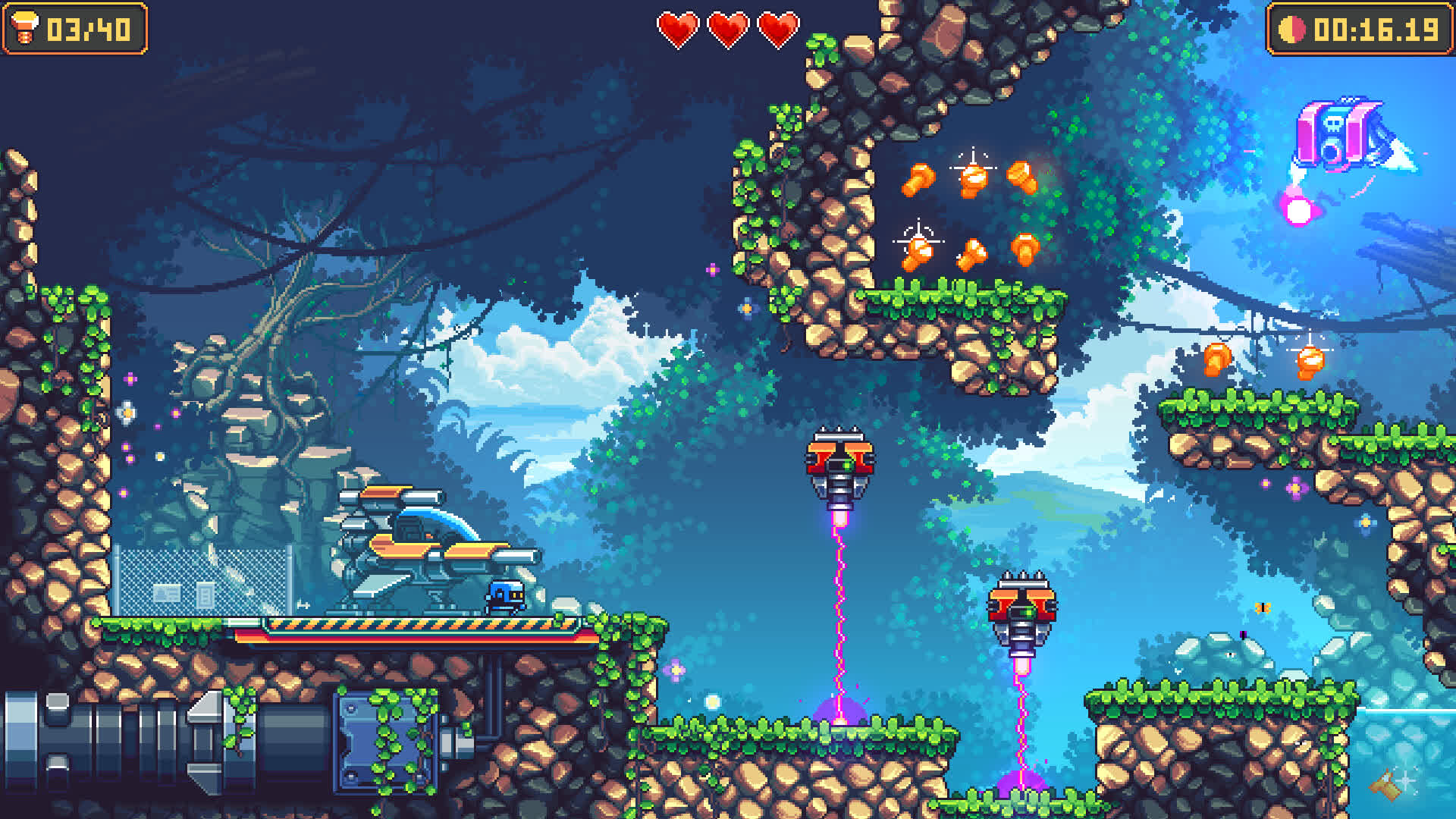
Before buying assets, define your technical ceiling. Premium 3D models require significant processing power, which may lag on mobile or older consoles. Character sprite packs, by contrast, are lightweight and scale effortlessly across devices. If your team lacks optimization expertise, stick to 2D assets that guarantee smooth frame rates.
A common pitfall is mixing art styles. Combining high-fidelity 3D characters with flat 2D backgrounds creates a jarring "uncanny valley" effect that breaks immersion. Ensure your chosen sprite pack or premium graphics package shares the same lighting, color palette, and resolution. Consistency is more valuable than raw detail.
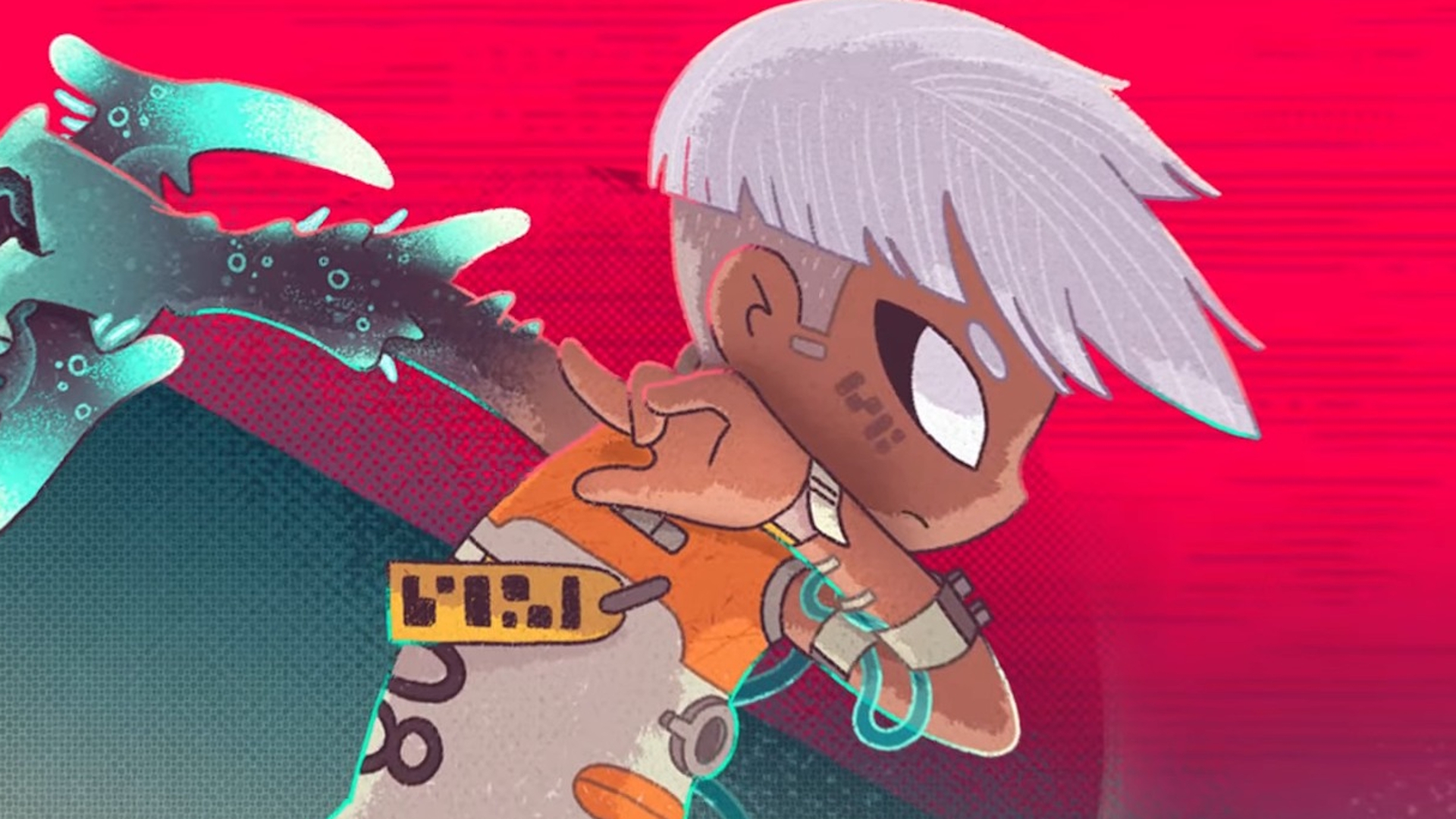
Not all "premium" assets allow for commercial redistribution. Some licenses restrict sales volume or require attribution. Read the fine print to ensure you can sell your game on Steam or mobile stores without legal hurdles. Look for "extended licenses" if you plan to merchandise characters or use them in promotional videos.
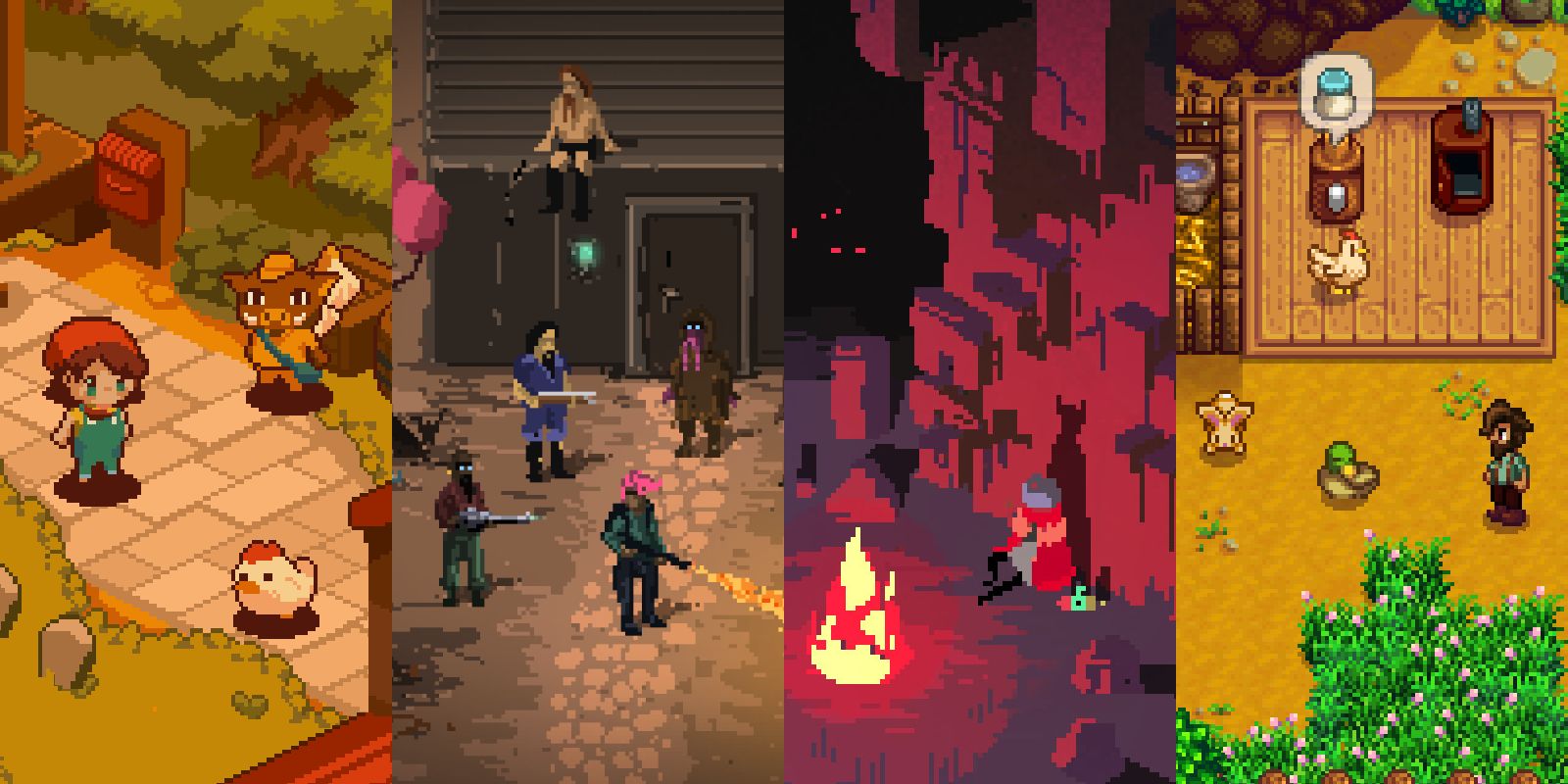
Data beats intuition. Release a vertical slice with your chosen visuals to a small group of beta testers. Ask specifically about first impressions and engagement. If players mention the graphics distracting them from gameplay, the assets are too cluttered. If they don't notice the graphics at all, they may be too generic.
Indie games often expand post-launch with DLC or new chapters. Buy assets that are modular and easy to animate. Character sprite packs should include multiple poses and expressions. Premium 3D models should have clean rigs. Avoid one-off assets that look great but cannot be adapted for new levels or enemies.

As an Amazon Associate, we may earn from qualifying purchases.
Common Pitfalls in Indie Game Visuals
Even with premium sprite packs, indie developers often undermine retention through subtle visual missteps. The goal isn't just to look "good" but to maintain clarity and immersion under pressure. Here are three frequent errors that hurt player experience.
Inconsistent Resolution Scaling
Mixing high-res character sprites with low-res background tiles creates a jarring visual disconnect. Players subconsciously notice these shifts, breaking immersion. Always scale assets relative to a single baseline resolution. If your hero is 128x128 pixels, ensure environmental details match that density. Don't let background elements become blurry placeholders.
Poor Color Contrast
Bright characters on busy backgrounds vanish during fast-paced action. This is a common mistake in platformers and shooters. Use solid color silhouettes or outline effects to separate the player from the environment. Test your palette in grayscale first; if shapes aren't distinct, color won't save them.
Over-Reliance on Static Assets
Static sprites feel dead without subtle animation loops. Idle breathing, blinking eyes, or slight weight shifts add life. Don't skip these micro-animations. They signal interactivity and care, increasing perceived polish without heavy development costs.
Premium game graphics: what to check next
Are premium sprite packs worth the cost for player retention?
Yes, but only if they serve the game’s core loop. Players notice visual polish immediately, but retention hinges on whether that polish supports gameplay clarity. High-end assets reduce cognitive load by making interactions intuitive, whereas generic free assets often introduce visual noise that frustrates users and increases churn.
Do indie games need photorealistic graphics to compete?
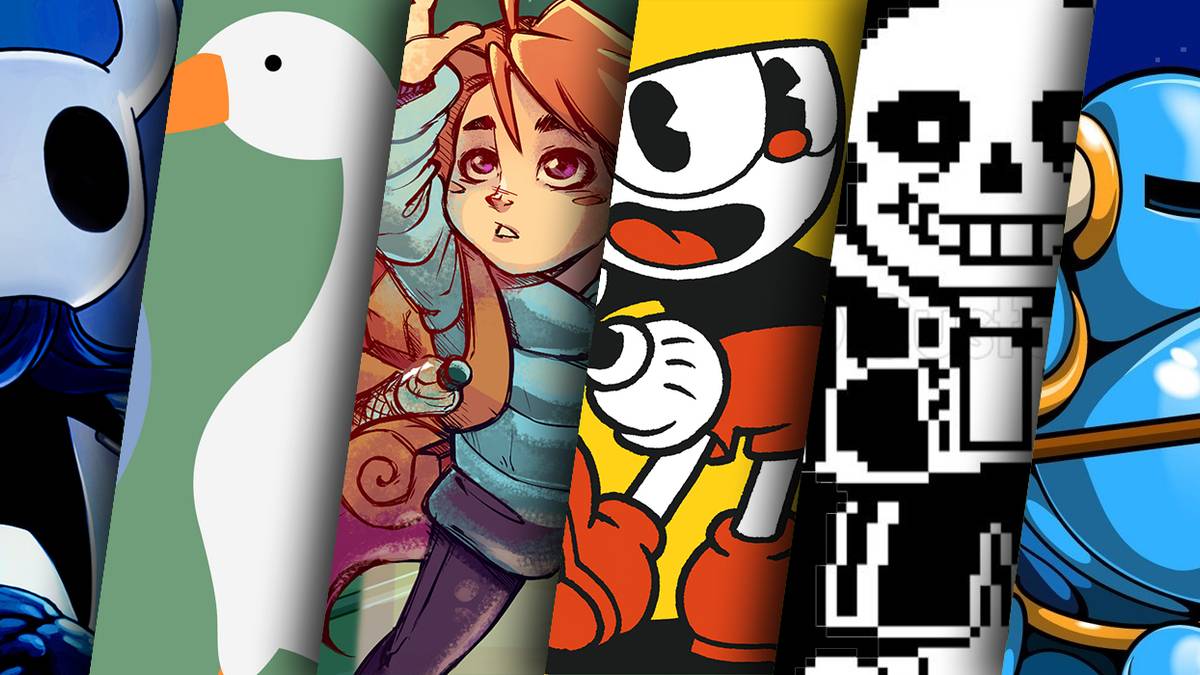
No. Distinctive art direction outperforms raw fidelity in most indie titles. Games like Hollow Knight or Cuphead prove that a cohesive, stylized aesthetic builds stronger brand recognition than chasing console-level realism. Premium doesn’t mean hyper-real; it means intentional and consistent.
How do sprite packs affect performance on low-end devices?
Well-optimized premium packs often perform better than heavy free alternatives because they are built with efficient memory management in mind. Look for packs that offer multiple resolution tiers and compressed textures. This ensures your game runs smoothly on older hardware without sacrificing visual quality, keeping a wider audience engaged.
What is the biggest mistake developers make with premium assets? Inconsistent integration. Slapping high-quality sprites onto a low-budget codebase creates a jarring disconnect. Premium assets must be tailored to your specific lighting, color palette, and animation timing. Treat them as a foundation to build upon, not a final polish layer.
No comments yet. Be the first to share your thoughts!