
Visual fidelity as market signal
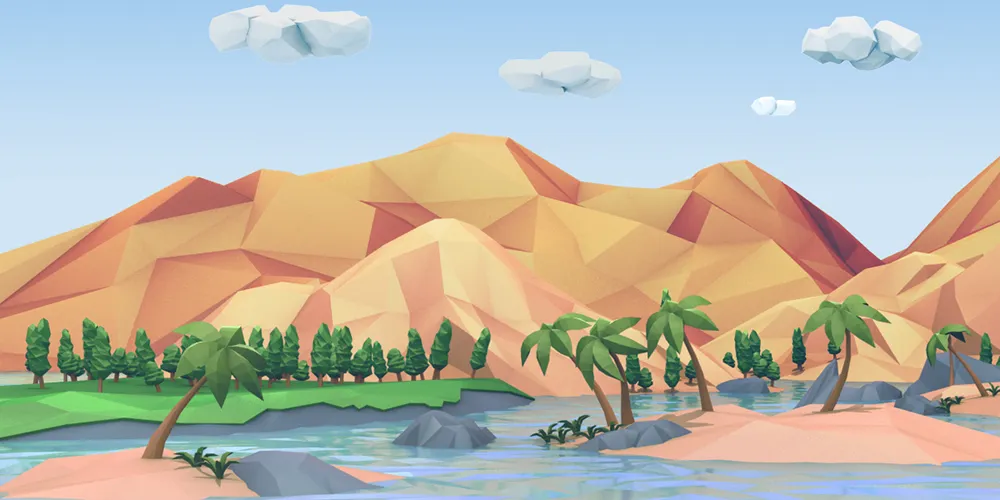
In 2026, high-quality visuals serve as the primary trust signal for indie developers. Players no longer view graphical polish as a luxury reserved for AAA studios; it is now a baseline expectation for market entry. When a player browses a digital storefront, visual fidelity acts as the first filter, signaling production value before gameplay is ever tested.
Poor assets immediately lower consumer confidence. A game with dated textures, inconsistent lighting, or clunky animations is often perceived as incomplete or low-budget, regardless of its underlying mechanics. This perception gap is the "indie edge" that successful studios must overcome. By investing in premium graphics, indie teams can command higher price points and secure better visibility in crowded marketplaces.
The competitive landscape has shifted. Titles like Alan Wake 2 and Senua’s Saga: Hellblade II have raised the bar for what constitutes "indie" quality, leveraging next-gen rendering techniques previously unavailable to smaller teams. This trend forces all developers to treat graphics not just as an aesthetic choice, but as a critical component of their go-to-market strategy.
Rendering tech in 2026
This section compares rendering technologies to help you make informed decisions based on real-world constraints. Start with your actual limitations, then separate must-have requirements from nice-to-have features. A practical choice should survive normal use, maintenance, timing, and budget. If a recommendation only works in an ideal situation, call that out plainly and give the reader a fallback path.
The simplest way to use this section is to write down the must-have criteria first, then compare each option against those criteria before weighing nice-to-have features.
Asset Quality and Player Retention
Visual polish is no longer just a marketing hook; it is a retention engine. In the indie space, where player attention is fragmented and acquisition costs are rising, high-fidelity assets serve as a primary differentiator. Players equate graphical fidelity with production quality and overall value. When an indie title delivers visual experiences that rival AAA standards, it reduces the psychological friction of switching to a competitor.
The connection between asset quality and player retention is measurable. Games with polished lighting, detailed textures, and smooth animations tend to see lower churn rates in the critical first 48 hours. This is because strong visuals provide immediate feedback loops and immersion, keeping players engaged during the onboarding phase. A game that looks expensive feels worth the time investment, encouraging longer session lengths and repeat play.
Consider the longevity of titles like Red Dead Redemption 2. Even years after release, its visual fidelity remains a benchmark, contributing to its enduring player base. While not an indie title, its success demonstrates that asset quality sustains interest long after the initial hype fades. Indie developers can leverage this by prioritizing key visual moments—such as environmental details and character animations—that create lasting impressions without requiring a massive budget.
For developers, this means allocating resources to visual polish early in the pipeline. Investing in high-quality assets is not just about aesthetics; it is about building a sustainable player community. By delivering a premium visual experience, indie studios can compete with larger publishers on merit, turning visual excellence into a competitive advantage that drives long-term retention and revenue.
Icon Design Standards and Store Page Conversion
High-fidelity indie game icons function as the primary conversion lever on digital storefronts. In a saturated market, the visual density of an icon determines whether a player stops scrolling or moves past the next title. The difference between a standard asset and a premium icon is not merely aesthetic; it is a measurable impact on click-through rates (CTR).
Low-resolution or generic icons fail to communicate the game’s unique value proposition within the first second of exposure. Premium icon design utilizes specific visual cues—such as dynamic lighting, high-contrast character silhouettes, and polished UI elements—to signal production quality before the user even reads the title. This visual shorthand reduces the cognitive load for the player, allowing them to instantly categorize the game’s genre and expected experience.
| Feature | Low-Res / Generic Icon | Premium Indie Icon |
|---|---|---|
| Visual Clarity | Blurred details, indistinct characters | Sharp focal point, readable at 32px |
| Color Strategy | Muted or inconsistent palette | High-contrast, genre-specific hues |
| Brand Recognition | Low; blends with competitors | High; distinct visual signature |
| Perceived Value | Amateur or placeholder | Professional, polished product |
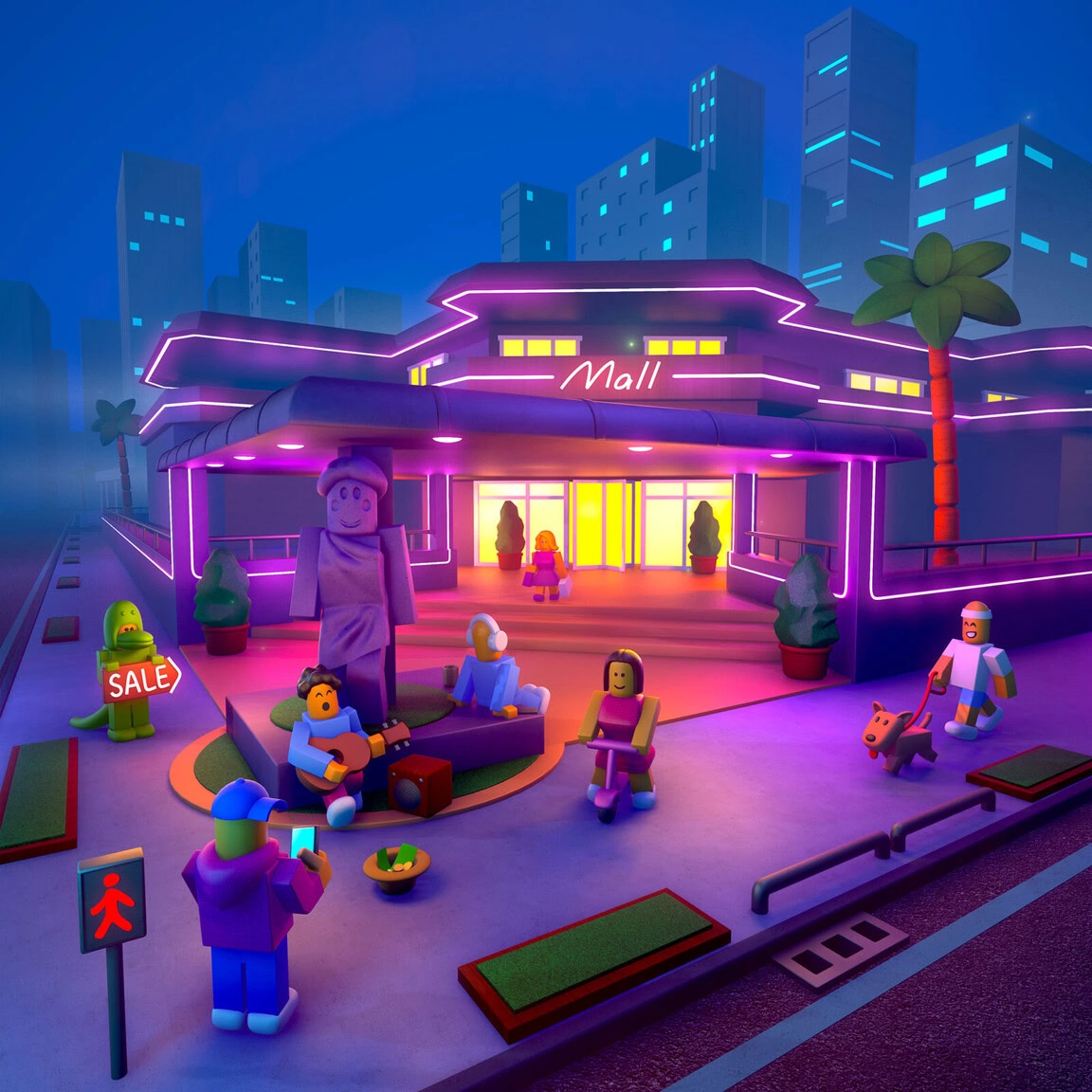
The following image illustrates the level of polish expected in modern casual game assets. Notice the clarity of the character models and the environmental lighting, which together create an immediate sense of depth and engagement.
Choosing premium assets without breaking the budget
Indie developers face a distinct challenge: balancing high-fidelity visuals with limited capital. The solution lies in strategic resource selection. Rather than commissioning custom art for every element, successful studios curate a hybrid workflow. They combine pre-made premium assets with targeted customizations to achieve a unique aesthetic. This approach reduces development time while maintaining visual standards that compete with larger titles.
The asset market has matured significantly. Platforms like Adobe Stock offer thousands of royalty-free video game graphics, providing a reliable starting point for indie projects. These libraries allow developers to focus on game mechanics and narrative rather than reinventing basic visual components. The key is selecting assets that align with the game’s specific art direction, ensuring a cohesive final product.
Essential tools and references
Investing in the right software and reference materials can streamline the asset pipeline. The following resources are highly regarded for their utility in indie game development, particularly for those focusing on graphics and visual design.


As an Amazon Associate, we may earn from qualifying purchases.
By leveraging these resources, indie teams can maintain a professional edge. The combination of curated assets and solid technical knowledge allows for scalable, high-quality production without the overhead of a massive art department.
No comments yet. Be the first to share your thoughts!