
Premium game graphics budget
Premium game graphics don’t have to mean breaking the bank, but they do require a clear understanding of the tradeoffs between price, age, and condition. When shopping for asset packs or standalone titles on Amazon, the "premium" label often signals polished art direction rather than just raw polygon count. A $20 indie asset pack can outperform a $60 AAA title in stylistic cohesion if the developer prioritized texture quality and lighting over sheer volume.
Age plays a deceptive role in perceived value. Older titles, like Red Dead Redemption 2 or Hellblade: Senua’s Saga, still hold up visually because their art direction is timeless, even if their technical specs lag behind 2026 standards. Newer releases like Alan Wake II or Cyberpunk 2077: Phantom Liberty push hardware limits, offering ray-traced realism that older games simply cannot match. Your budget should reflect whether you want cutting-edge fidelity or enduring artistic style.
Condition matters less for digital goods, but for physical collector’s editions, mint condition can significantly impact resale value. Always check the seller’s rating and return policy. Avoid third-party sellers with low feedback scores, as they may ship used items listed as new. For indie developers, investing in high-quality, reusable asset packs from reputable stores often yields a better return on investment than chasing the latest blockbuster title.

As an Amazon Associate, we may earn from qualifying purchases.
Shortlist real options
Finding premium game graphics that fit your development pipeline requires looking beyond marketing renderings. The best asset packs balance visual fidelity with technical efficiency, ensuring characters and environments integrate smoothly into modern engines like Unity or Unreal. We evaluated top-selling sprite packs and 3D asset bundles based on polygon count, texture resolution, rigging quality, and licensing terms for commercial use.
The following comparison table highlights the strongest contenders currently available on major marketplaces. These selections represent a mix of stylized 2D sprites and high-fidelity 3D models, chosen for their widespread adoption and proven track record in shipped titles.
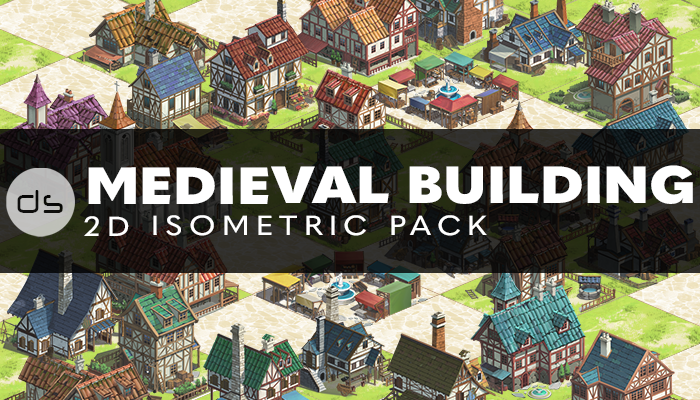
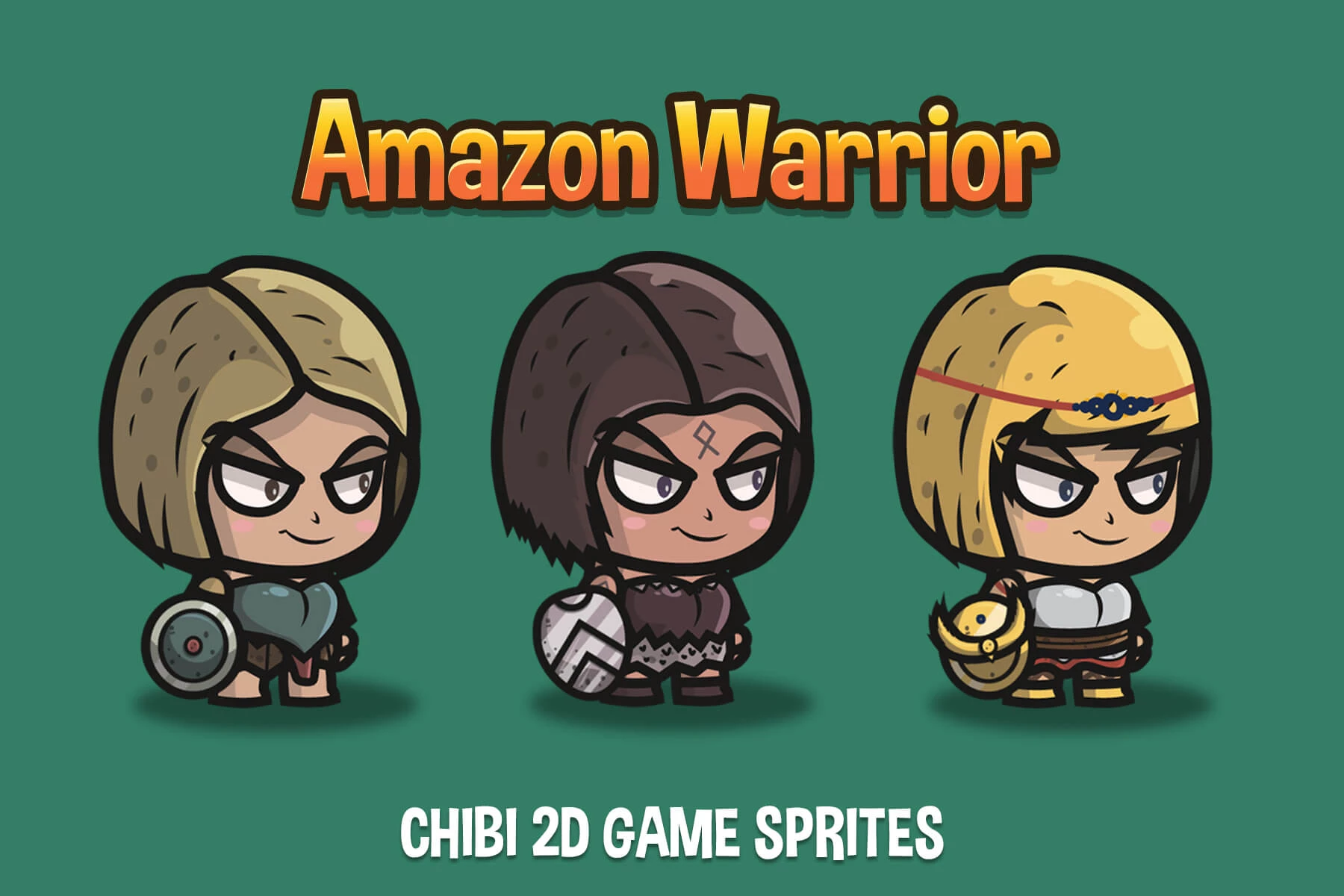
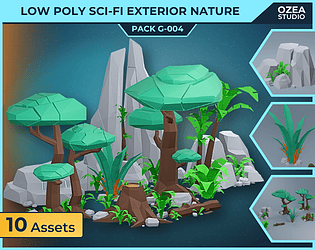
Each option serves a different artistic direction. Epic Games' offerings provide industry-standard realism suitable for high-budget projects, while Unity's curated store offers immediate compatibility with engine-specific tools. For indie developers focusing on pixel art, Itch.io provides affordable, high-density sprite sheets that scale well across devices. CGTrader remains a strong option for modular 3D environments where low-poly efficiency is prioritized over photorealism.
When selecting assets, verify the rigging compatibility with your target engine version. Poorly rigged characters can cause significant animation bottlenecks, regardless of texture quality. Always review the included documentation for texture map layouts and bone structures before purchasing to ensure they align with your existing pipeline.
Inspect the expensive parts
Premium game assets look polished in a store preview, but they often hide technical debt that breaks your game later. A sprite sheet that doesn’t tile, a 3D model with broken UVs, or audio files with mismatched sample rates will cost you hours of debugging. Treat asset inspection like a quality control checkpoint before you commit to a purchase or integrate it into your build pipeline.
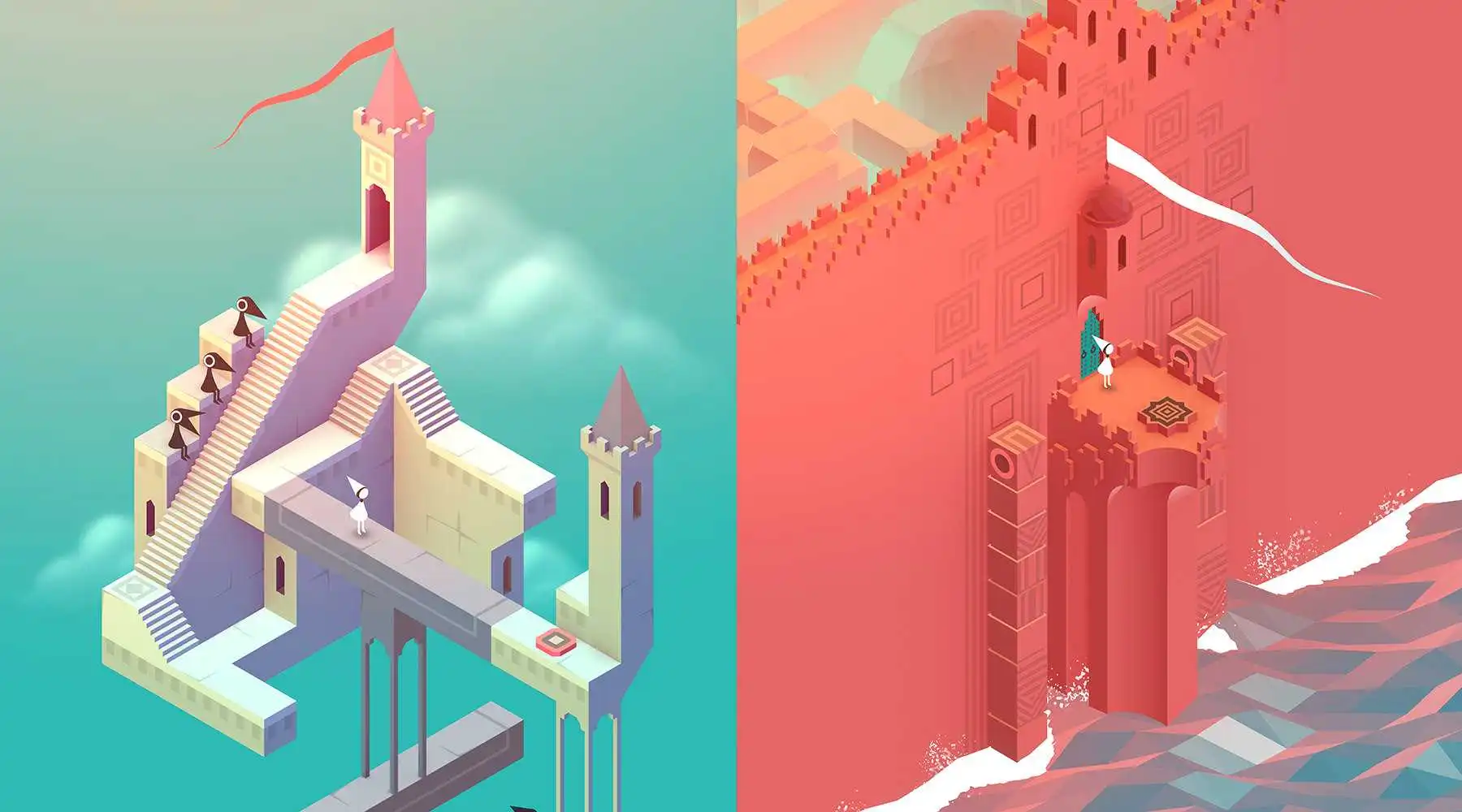
Open the files in their native software before importing them into your game engine. Check that PNGs are 24-bit with alpha channels, WAVs are 44.1kHz or 48kHz, and 3D models use standard formats like FBX or OBJ. Mismatched formats cause silent failures where textures appear black or audio plays at the wrong speed.
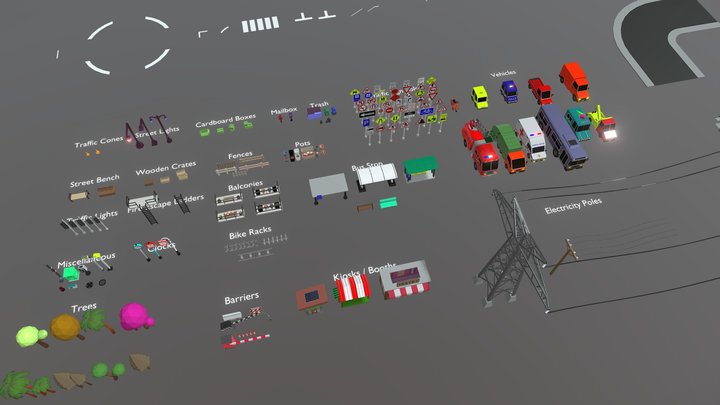
Measure the pixel dimensions or physical units. A 4K texture on a low-poly prop wastes memory, while a 64-pixel sprite will look blurry on modern displays. Ensure the asset’s scale matches your game’s unit system (e.g., 1 unit = 1 meter). Misaligned scales force you to rescale everything, which often breaks existing animations or physics colliders.
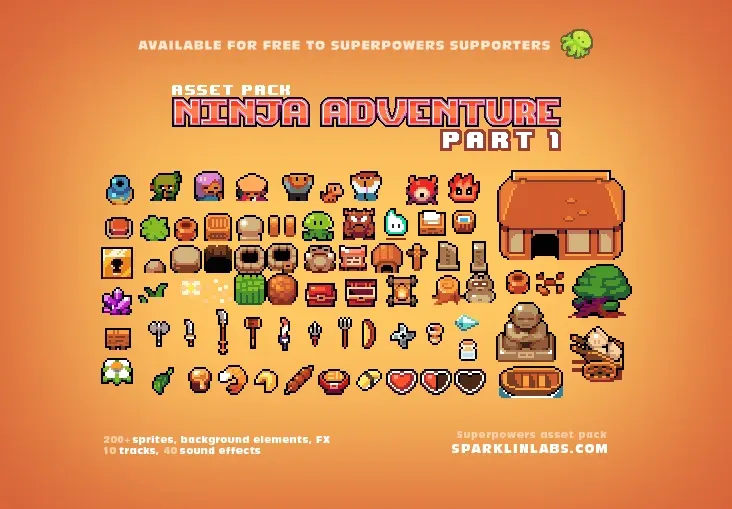
Play every animation loop in isolation. Look for "popping" joints, sliding feet, or sudden position jumps between the start and end frames. For skeletal rigs, verify that the bind pose is neutral and that bone names match your engine’s expectations. Broken rigs require manual re-binding, which is far more expensive than fixing a bad loop.
Import the asset into your engine’s actual lighting environment. A material that looks perfect in the asset’s preview window might become overexposed or lose detail in your game’s global illumination. Check normal maps for artifacts and ensure PBR values (metallic, roughness) are physically plausible for your art style.
Taking these steps prevents the common trap of buying beautiful assets that don’t work in your specific engine setup. It’s better to spend ten minutes inspecting a pack than ten hours fixing integration errors.
Plan for ownership costs
A cheap asset pack is rarely free. The initial price tag is just the entry fee; the real cost comes from maintenance, integration, and the time spent adapting assets to your specific engine. If you buy a pack that doesn't match your pipeline, you’ll spend weeks reworking textures, rigging skeletons, or fixing lighting mismatches. That hidden labor often exceeds the cost of a higher-quality, better-documented pack.
Consider the "asset debt" you accumulate. Low-poly packs might save money upfront, but if they lack LODs (Levels of Detail) or proper UV unwrapping, your developer will spend hours optimizing them for performance. Similarly, character sprites that don't include all necessary animation frames force you to hire an animator or buy additional packs to fill the gaps. Always check what is included in the box: source files, documentation, and technical support.
When evaluating a purchase, ask how much time it will take to integrate. A pack with clear naming conventions and engine-ready folders saves days of frustration. Look for packs that offer regular updates or community support, as this reduces the risk of your assets becoming obsolete when your engine updates. The goal is to buy time, not just pixels.
As an Amazon Associate, we may earn from qualifying purchases.
Premium game graphics: what to check next
Developers often worry that high-quality assets are too expensive or locked into specific engines. The reality is that the indie asset market has matured, offering professional-grade visuals that integrate smoothly into Unity and Unreal projects without breaking the bank.
What game has the highest quality graphics?
Industry consensus currently points to titles like Alan Wake II and The Last of Us Part II Remastered as the pinnacle of visual fidelity. These games set the benchmark for lighting and texture detail, though they rely on massive development budgets rather than off-the-shelf assets.
Which game currently has the most realistic graphics?
Realism is shifting toward photorealism and advanced physics. Recent entries like Kingdom Come: Deliverance II and Senua’s Saga: Hellblade II lead this charge by using real-time ray tracing and advanced facial capture technology to create immersive, believable worlds.
What are some games with amazing graphics?
Beyond the top-tier realism, games like Cyberpunk 2077, Black Myth: Wukong, and Avatar: Frontiers of Pandora showcase stunning artistic direction. These titles prove that strong art style can be just as impactful as raw graphical power.
What graphics are best for gaming?
For indie developers, "best" means versatile and optimized. Look for assets that support PBR (Physically Based Rendering) workflows and include multiple texture resolutions. This ensures your game looks sharp on high-end PCs while still performing well on consoles and mobile devices.
No comments yet. Be the first to share your thoughts!