
Why premium game graphics matter
For indie developers, visual fidelity is often the difference between a game that gets noticed and one that gets scrolled past. High-quality character sprite packs provide a distinct advantage by elevating the perceived value of a project without requiring a team of specialized artists. When players see polished animations and consistent art direction, they immediately recognize a level of care that translates into trust and engagement.
Creating custom assets from scratch is a time-intensive process that can bottleneck development. Every hour spent drawing a single walk cycle is an hour not spent on gameplay mechanics, level design, or marketing. Premium assets act as a force multiplier, allowing small teams to focus on what makes their game unique: the core loop and narrative. This shift in resource allocation is critical for maintaining momentum during the long development cycle.
The cost-benefit analysis favors buying assets for most indie studios. While custom art offers total control, the marginal benefit rarely justifies the delay. Using professional sprite packs ensures that your characters meet industry standards for resolution, color theory, and animation smoothness. It is better to have a polished, cohesive look with purchased assets than a disjointed, unfinished appearance from in-house attempts.
Buying premium assets is not about cutting corners; it is about buying back time. The savings in development hours can be redirected toward refining gameplay mechanics, which players ultimately remember long after the initial visual impression fades.
This approach allows indie devs to compete visually with larger studios. The market rewards polish, and premium graphics provide the foundation for that polish. By outsourcing the visual heavy lifting, developers can release higher-quality games faster, capturing audience interest before the market shifts.
Top rated character sprite packs
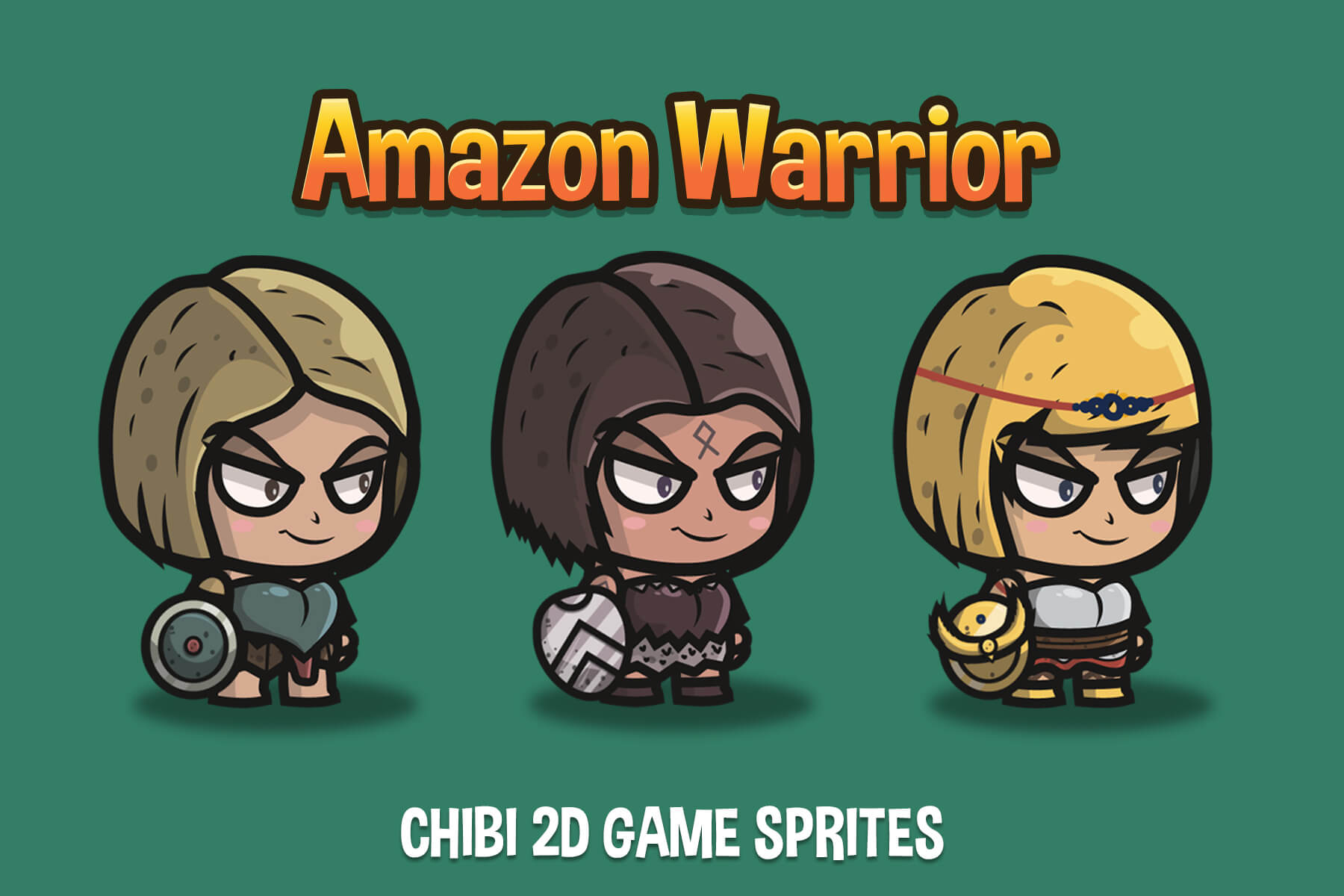
Selecting the right sprite pack is a capital allocation decision for indie developers. The cost of assets must be weighed against the time saved and the visual fidelity required for the target platform. Premium packs offer polished, consistent art direction that cheaper, fragmented assets often lack. Below are three high-quality options that balance versatility with genre-specific strength.

As an Amazon Associate, we may earn from qualifying purchases.
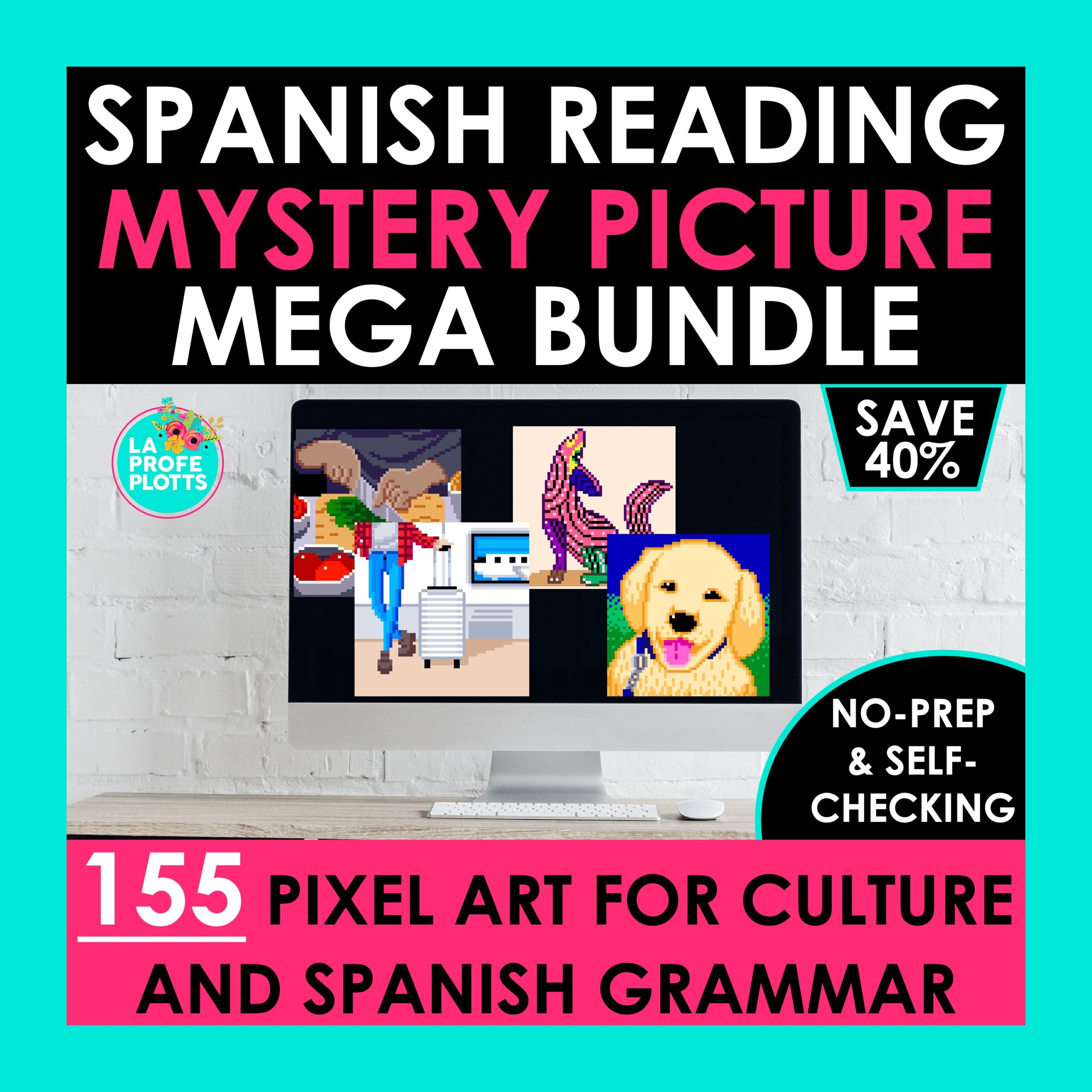
The Pixel Art Mega Bundle serves as a foundational asset for developers working in retro or 16-bit aesthetics. It provides a broad range of character archetypes, from warriors to merchants, ensuring visual consistency across the entire cast. This versatility makes it a cost-effective choice for projects that require a large number of distinct characters without hiring a dedicated artist.
For titles aiming for a more contemporary look, the Modern Character Pack offers high-resolution 2D art with a focus on realism and detail. These sprites are often rigged, allowing for smoother animations that enhance the player's sense of agency. This pack is ideal for narrative-driven games or simulations where character expression and movement need to convey subtle emotional cues.
Fantasy RPG Sprites cater specifically to the high-fantasy genre, providing detailed assets for classes like mages, elves, and knights. The cohesive color palette and battle-ready animations reduce the friction of integrating assets into the game engine. Developers can rely on these packs to establish a strong visual identity quickly, allowing them to focus on gameplay mechanics rather than asset creation.
Essential indie game icons and UI assets
Cohesive UI and icon sets serve as the visual grammar of an indie game. They guide player attention, communicate mechanics, and establish the aesthetic tone without a single line of dialogue. Premium assets provide this foundation, offering professional-grade consistency that free resources often lack. For indie developers, investing in high-quality UI packs reduces the cognitive load on the player and elevates the perceived value of the entire project.
When selecting UI components, developers must balance aesthetic appeal with functional clarity. A premium icon pack typically includes standardized sizes, consistent stroke weights, and harmonious color palettes. This uniformity ensures that health bars, inventory slots, and menu buttons feel like part of a unified system rather than disparate elements. The visual language must align with the game’s core narrative, whether that is a gritty survival horror interface or a whimsical fantasy adventure.
Below is a comparison of common premium icon pack styles, focusing on resolution, license types, and typical use cases. This data helps developers choose assets that fit their technical constraints and legal requirements.
| Style | Resolution | License | Best For |
|---|---|---|---|
| Minimalist Line | Vector (SVG) | Commercial | Strategy and management games |
| Hand-Drawn Pixel | 1x, 2x, 4x | Personal/Commercial | Retro RPGs and platformers |
| Realistic 3D | 4K Textures | Royalty-Free | Simulation and tactical shooters |

Premium icon sets often come with extensive documentation and multiple color variants, allowing for dynamic UI states like hover, active, and disabled. This flexibility is crucial for creating responsive interfaces that react to player input. By integrating these assets early in the development cycle, indie teams can maintain visual integrity across all screens, from the main menu to the in-game HUD. The result is a polished experience that competes with larger studios despite limited budgets.
How to evaluate game development resources
Purchasing a character sprite pack is a financial commitment, not just a creative choice. Treat your asset budget like any other investment: you need due diligence before you sign the check. A single low-quality asset can break the visual immersion of your entire game, while a well-integrated pack can elevate the production value significantly.
Start by inspecting the technical metadata. High-resolution textures are useless if they aren't optimized for your target platform. Check the pixel-perfect alignment and ensure the sprite sheets use consistent spacing. If the pack includes animations, scrub through the frame sequence. Look for jitter, inconsistent timing, or mismatched root motion. These small errors become glaring issues once the character is in motion.
Next, verify the license scope. Premium assets often come with different tiers of usage rights. Ensure the license covers your specific distribution channels, whether that is Steam, mobile app stores, or console platforms. Some packs restrict commercial use or require attribution that conflicts with your branding. Read the fine print to avoid legal friction later.
Finally, assess compatibility with your engine. Test the assets in a blank project. Check how the lighting interacts with the sprites and whether the color palette matches your game’s aesthetic. If the pack uses a specific shader that your engine doesn’t support, you may face costly workarounds. A quick compatibility test saves weeks of development time.
| Metric | Evaluation Step |
|---|---|
| Resolution | Verify pixel density matches target display ratios. |
| Animation | Play full loop to check for frame jitter or timing gaps. |
| License | Confirm commercial rights for all intended platforms. |
| Engine Fit | Import to a blank scene to test shader and lighting compatibility. |
Frequently asked questions about assets
Developers often conflate console-grade rendering with the practical needs of indie projects. Understanding the distinction between high-fidelity engines and optimized sprite packs is essential for budgeting and technical planning.
No comments yet. Be the first to share your thoughts!