
What defines premium game graphics?
Premium game graphics refer to the high-fidelity visual assets that define a game's aesthetic identity and technical performance. In the context of indie development, this primarily means professionally crafted character sprite packs and background environments that maintain visual consistency across all game states. Unlike AI-generated assets, which often suffer from structural incoherence or style drift, premium graphics are hand-tuned to meet specific technical constraints.
The market for these assets is driven by the need for polish. Games like Alan Wake II and Hellblade II set the bar for realistic rendering, but indie titles rely on sprite packs to achieve a similar level of intentional design. These packs provide modular, reusable assets that ensure characters animate smoothly and backgrounds render without clipping. This reliability is why premium graphics outperform AI in commercial releases, where visual stability is non-negotiable.
When evaluating premium graphics, developers look for three key metrics: resolution consistency, animation fluidity, and format flexibility. A high-quality sprite pack will offer multiple resolution tiers (1x, 2x, 3x) and support common export formats like PNG or Spritely JSON. This allows developers to scale assets for different platforms without reworking the core art. The result is a game that feels cohesive, from the main menu to the final boss fight.
The trade-off is cost and time. Premium assets require upfront investment but save hours of manual correction later. AI assets may be cheaper initially but often require extensive post-processing to fix artifacts. For indie developers aiming for a professional look, the premium route offers a clearer path to market readiness, ensuring that the visual language of the game remains sharp and engaging throughout the player's journey.
Premium game graphics choices that change the plan
Choosing premium game graphics means accepting a specific set of constraints. While AI-generated assets offer speed, professional sprite packs and high-fidelity renders provide consistency that procedural generation often struggles to maintain. The decision hinges on production scale, visual cohesion, and technical overhead.
Visual Fidelity and Consistency
High-end graphics engines like Unreal Engine 5 deliver cinematic lighting and ray-traced reflections that AI cannot easily replicate in real-time. AAA titles such as Alan Wake II and Hellblade II set the benchmark for photorealism, relying on hand-crafted assets to ensure every frame meets a strict artistic standard. This level of polish requires significant manual labor but results in a cohesive world that feels intentional rather than generated.
Production Speed and Iteration
AI tools excel at rapid prototyping, allowing teams to iterate on concepts in minutes. However, premium asset packs often require less long-term maintenance. When an AI-generated sprite fails to match the exact lighting of a scene, the entire batch may need regeneration. In contrast, a well-documented premium asset library integrates seamlessly into existing pipelines, reducing the friction of technical implementation.
Technical Integration and Licensing
The hidden cost of premium graphics lies in integration. High-resolution textures and complex rigging demand robust hardware and optimized code. Developers must weigh the upfront licensing fees of premium packs against the computational power needed to render them. Meanwhile, AI assets often bypass licensing hurdles but introduce legal ambiguities regarding copyright ownership, which can stall monetization.
| Factor | Premium Assets | AI-Generated | Cost Profile |
|---|---|---|---|
| Visual Consistency | High (Hand-crafted) | Variable (Procedural) | High Upfront |
| Production Speed | Slow (Manual) | Fast (Instant) | Low Marginal |
| Legal Risk | Low (Licensed) | High (Ambiguous) | Variable |
| Technical Load | High (Optimized) | Low (Lightweight) | Infrastructure |
How to evaluate premium game graphics and sprite packs
Choosing between AI-generated assets and premium game graphics or character sprite packs comes down to production value, not just cost. The market for high-fidelity indie games is expanding, with titles like Alan Wake II and Hellblade II setting new benchmarks for realism and visual fidelity. To make a practical decision, evaluate assets against these five criteria.
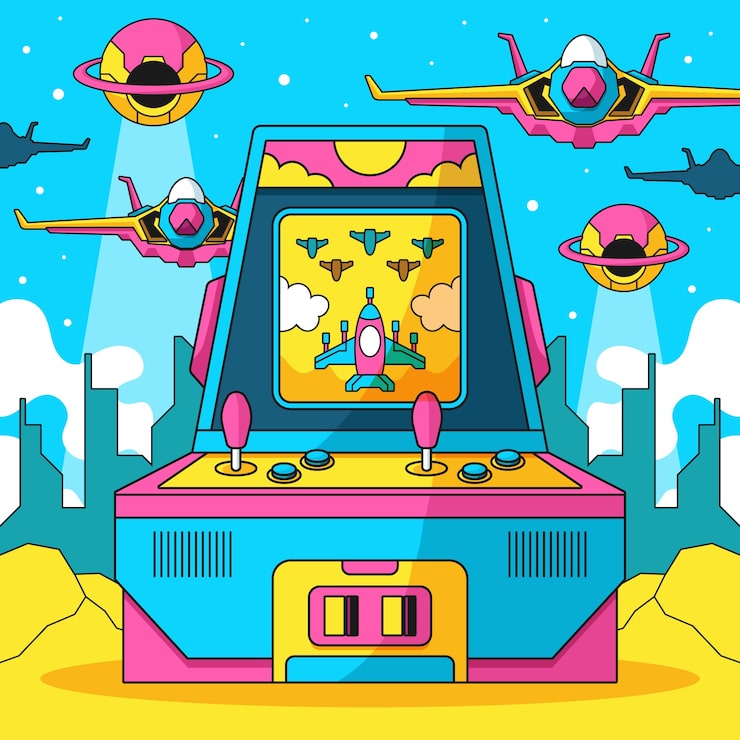
AI tools often struggle with maintaining a unified visual language across different characters and environments. Premium sprite packs are curated by artists who ensure that lighting, perspective, and style remain consistent. Look for packs that include a full character sheet or environment tileset to verify that assets integrate seamlessly into your existing game world.
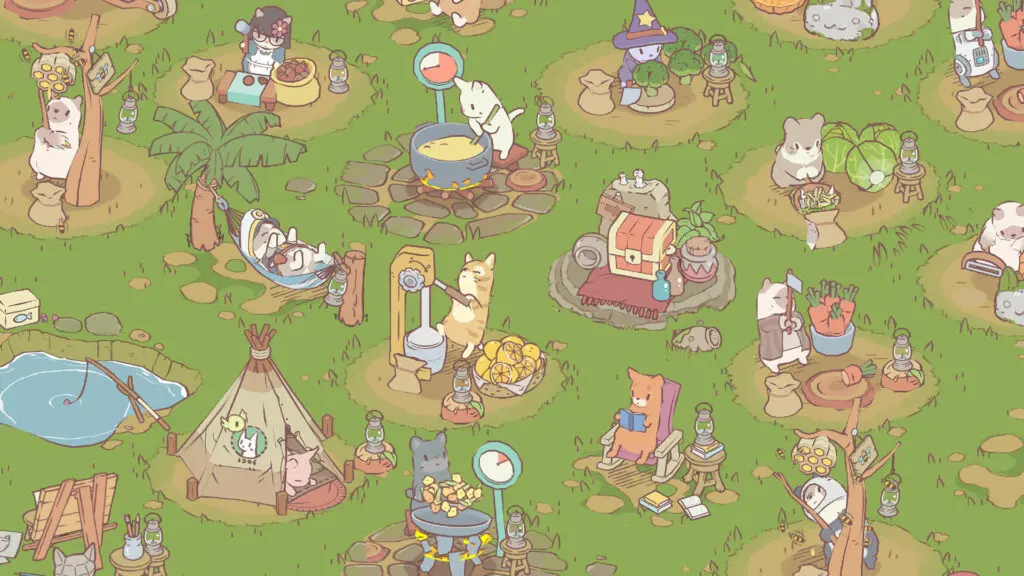
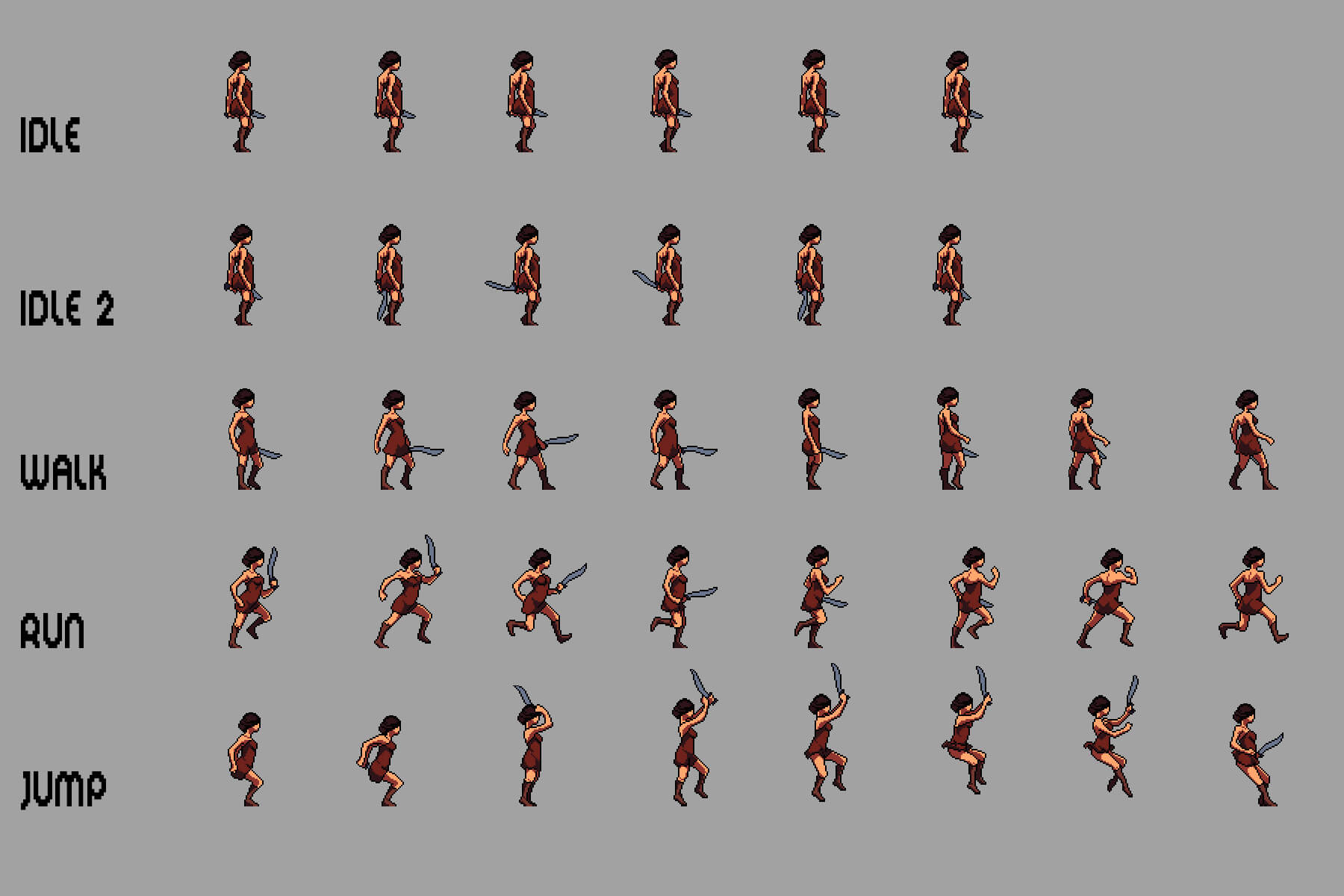
High-end graphics require fluid motion, not just static images. AI-generated sprites often produce jittery or inconsistent animations. Premium packs typically include pre-rigged skeletons or high-frame-count sprite sheets (30-60 fps) that support complex actions like combat, idle loops, and interactions. Check the documentation to ensure the assets support your engine’s animation system.

Modern displays demand high-resolution assets. Premium game graphics are often created at 4K or higher and then downscaled, preserving detail and clarity. AI assets may look sharp at low resolutions but often exhibit artifacts or "smearing" when upscaled for modern screens. Ensure the asset pack provides multiple resolution tiers (e.g., 1x, 2x, 4x) for future-proofing your project.
This is the most critical financial consideration. Many AI-generated assets have ambiguous or restrictive licensing terms regarding commercial use. Premium sprite packs from established marketplaces (like Unity Asset Store or Unreal Marketplace) come with clear, perpetual commercial licenses. Verify that the pack allows for redistribution, modification, and use in commercial titles without ongoing royalty fees.

High-fidelity graphics can be resource-intensive. Premium assets are often optimized for specific platforms, with LOD (Level of Detail) systems included to maintain performance on lower-end hardware. AI assets may lack these optimizations, leading to frame rate drops. Test the assets in your engine’s profiler to ensure they meet your target frame rate and memory budget.


As an Amazon Associate, we may earn from qualifying purchases.
The Illusion of AI Perfection
The marketing for AI-generated assets often hinges on a single, misleading claim: that neural networks can replicate the deliberate art direction of human designers. This is a category error. AI models predict pixels based on statistical averages of existing data. They do not understand silhouette readability, color theory, or the narrative intent behind a character’s pose. The result is a smooth, generic texture that lacks the specific intent required for premium game graphics.
Consider the difference between a hand-crafted sprite sheet and an AI generation. A sprite pack like those from Hollow Knight or Celeste uses consistent lighting and clear visual cues to communicate character state. AI generators often produce artifacts in motion—flickering edges or morphing details—that break immersion. In a fast-paced indie game, these micro-glitches are not just errors; they are design failures that distract the player from the core mechanics.
Mistake 1: Ignoring Art Direction Consistency
Many developers treat AI as a raw material generator, assuming they can clean up the output later. This approach ignores the foundational role of art direction. Premium game graphics rely on a unified visual language. When you mix AI generations with hand-drawn elements, the lighting scales rarely match. The result is a disjointed experience that feels cheaper than a fully AI-generated game, let alone a human-crafted one. The "uncanny valley" in indie games is often just poor lighting consistency.
Mistake 2: Overestimating Resolution Quality
A common weak option is to assume that upscaling AI images to 4K creates "premium" assets. This is a trap. Upscaling amplifies noise and artifacts rather than adding detail. Real premium graphics, such as those seen in Alan Wake II or The Last of Us Part II, are built on high-fidelity source data and meticulous post-processing. AI assets start with low-fidelity data. No amount of upscaling can create the depth and texture that come from original, high-resolution source files.
Mistake 3: Assuming Legal Safety
The final, and most dangerous, mistake is assuming AI assets are legally safe. Most AI models are trained on copyrighted data without explicit licensing for commercial game development. Relying on these assets for a premium product exposes your studio to significant legal risk. Human-made sprite packs and assets from verified marketplaces provide clear licensing terms, protecting your game’s long-term viability.
Premium game graphics: what to check next
Developers often ask if premium sprite packs are worth the investment compared to AI-generated assets. The answer depends on the project's scope and visual consistency needs. While AI offers speed, curated packs provide immediate polish and coherence that reduces post-production overhead.
What game has the most advanced graphics?
Alan Wake II currently leads in technical fidelity, utilizing path tracing for real-time ray tracing. It sets a new benchmark for lighting and environmental detail. The Last of Us Part II Remastered follows closely, offering refined character models and physics interactions that push hardware limits.
What are the top 10 best graphics games?
Beyond Alan Wake II, titles like The Callisto Protocol and Cyberpunk 2077: Phantom Liberty dominate visual lists. Hellblade II is also frequently cited for its photorealistic facial animations. These games leverage modern engines to deliver cinematic quality that rivals live-action film.
Which game has the most impressive graphics?
"Impressive" often refers to artistic direction rather than raw polygon counts. Games like Hades II or Celeste use stylized sprites to create memorable worlds. For photorealism, Crysis 2 remains a technical reference for its time, while modern titles like Cyberpunk 2077 offer immersive, detailed environments.
Which game has ultra-realistic graphics?
Hellblade II is widely recognized for its ultra-realistic character rendering. It uses advanced facial capture and AI-driven animation to mimic human micro-expressions. For environmental realism, The Last of Us Part II remains a gold standard for texture detail and natural lighting.
No comments yet. Be the first to share your thoughts!