
The rise of premium game graphics
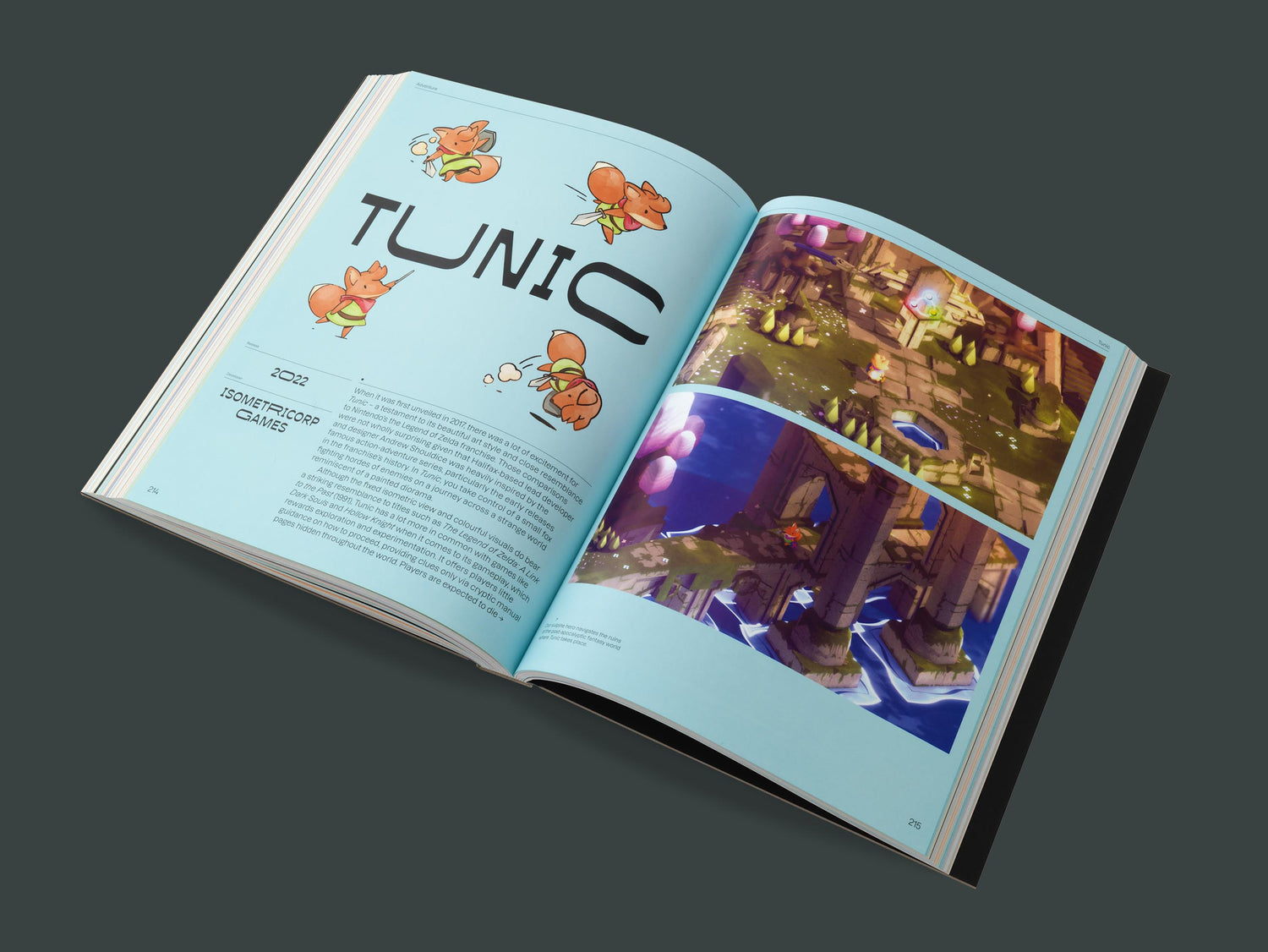
The indie market is undergoing a quiet but decisive aesthetic shift. Where pixel art once defined the budget-conscious developer, high-fidelity rendering is becoming the new standard for 2026 titles. This move toward premium game graphics is not merely a visual upgrade; it is a strategic response to evolving player expectations and hardware capabilities. Players now demand realism that rivals AAA console experiences, even in smaller-scale indie projects.
This transition is driven by accessible tools. Engines like Unreal Engine 5 and Unity’s latest updates have democratized high-end rendering, allowing solo developers and small teams to implement ray tracing, advanced lighting, and detailed textures without massive budgets. The result is a surge in visually stunning indie titles that prioritize immersion and atmospheric depth over the stylized abstraction of the past.
Market sentiment reflects this change. Investors and publishers are increasingly allocating funds to projects that leverage these premium graphics, recognizing the higher engagement and monetization potential of visually rich games. The rise of premium game graphics signals a maturation of the indie sector, where visual fidelity is no longer a luxury but a baseline requirement for competitive success.
The financial implications are significant. As graphical fidelity becomes a key differentiator, the value of assets and talent specializing in high-end rendering is climbing. This trend is visible in the performance of tech companies and game engines that support these advanced features. The market is rewarding innovation in visual technology, making it a critical area for investment and development focus.
Vector sprite packs vs pixel art
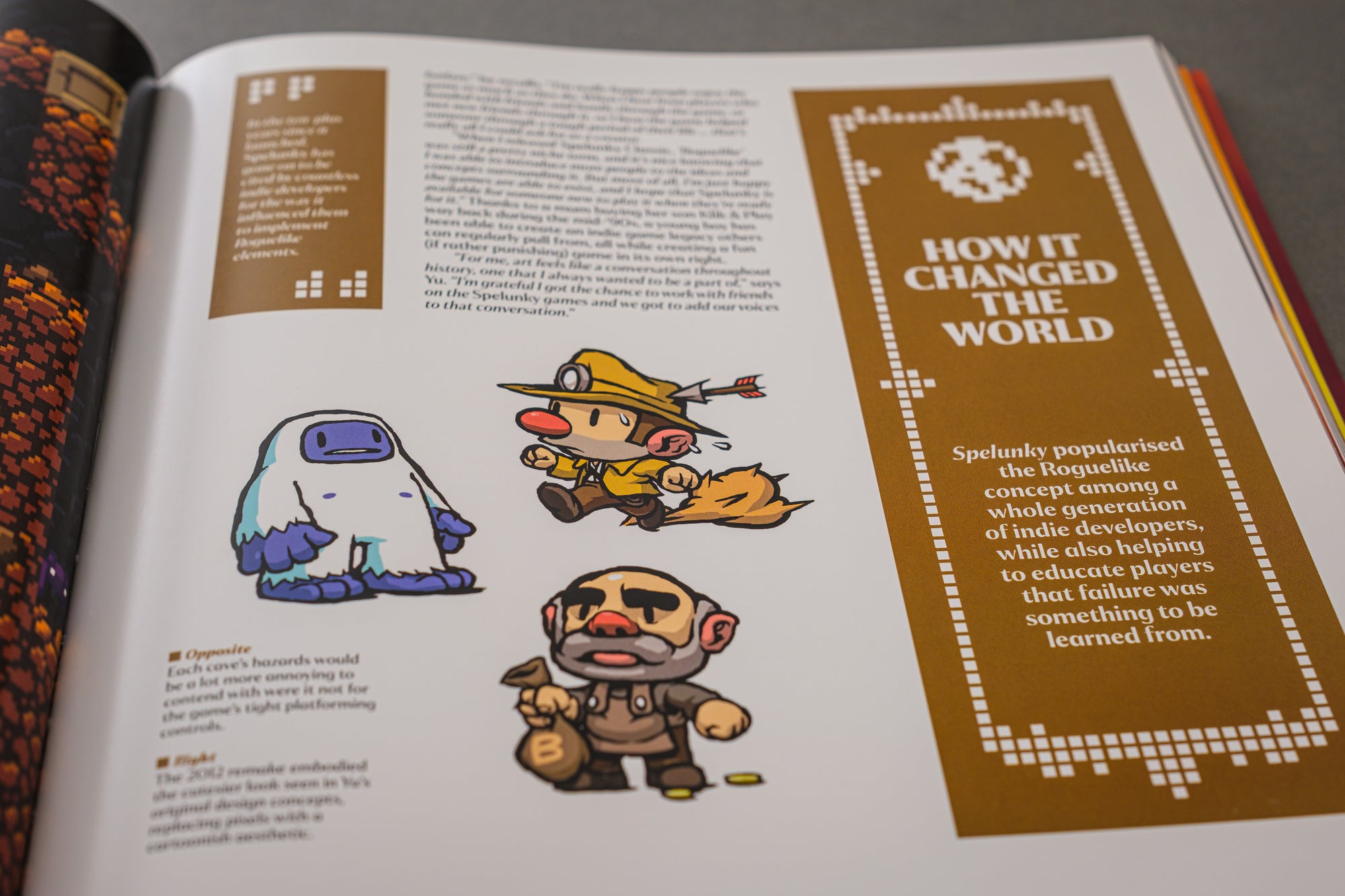
The shift toward vector-based character sprite packs is not just an aesthetic choice; it is a technical necessity for modern cross-platform distribution. While pixel art relies on discrete grids of colored squares, vector sprites use mathematical equations to define shapes, lines, and curves. This fundamental difference dictates how assets scale, render, and perform across varying hardware capabilities.
Pixel art demands manual labor for every resolution change. To support 4K displays, an artist must redraw assets or rely on upscaling algorithms that often introduce blurring or jagged edges. Vector sprites, by contrast, scale infinitely without loss of quality. A character designed in a vector pack can render crisply on a mobile phone screen and a 4K monitor using the same file, reducing the asset management burden significantly.
The trade-off lies in rendering complexity and aesthetic identity. Vector rendering requires more computational power from the GPU to calculate paths in real-time, which can impact performance on low-end devices if not optimized. Pixel art, being pre-rasterized, is computationally cheap and offers a distinct, nostalgic charm that vectors struggle to replicate authentically. The choice depends on whether the project prioritizes visual fidelity and scalability or raw performance and stylistic nostalgia.

The following comparison highlights the core technical distinctions between the two approaches, focusing on resolution handling, file size implications, and rendering demands.
| Feature | Pixel Art | Vector Sprites |
|---|---|---|
| Resolution | Fixed grid; scales poorly without artifacts | Infinite; scales to any resolution |
| File Size | Small; fixed data per sprite | Small to large; depends on path complexity |
| Rendering Load | Low; pre-rasterized | Higher; real-time calculation required |
| Animation Workflow | Frame-by-frame manual drawing | Bone-based or shape interpolation |
| Visual Style | Nostalgic, blocky, distinct | Clean, smooth, modern |
Premium game graphics examples
The bar for premium game graphics has shifted from simple high-resolution textures to complex, real-time lighting and physics. Modern players expect environments that feel lived-in and characters that convey emotion without dialogue. This section highlights titles that define the current visual standard, demonstrating why premium game graphics are replacing pixel art in high-budget releases.
The Last of Us Part II
Naughty Dog’s sequel remains a benchmark for character fidelity and environmental storytelling. The game uses advanced facial capture technology to render subtle micro-expressions, making interactions feel startlingly human. The lighting engine dynamically reacts to weather and time of day, creating shadows and reflections that ground the player in a post-apocalyptic world that feels tangible and dangerous. This level of detail is not just aesthetic; it reinforces the narrative weight of every encounter.
Cyberpunk 2077: Phantom Liberty
While the base game faced technical hurdles, the Phantom Liberty expansion and subsequent patches have solidified Cyberpunk 2077 as a leader in urban realism. The game’s use of ray tracing creates accurate light reflections on wet streets and neon signs, immersing players in Night City’s dense, vertical architecture. The attention to detail extends to clothing physics and crowd AI, where hundreds of NPCs interact with the environment independently. It demonstrates how premium game graphics can support a sprawling, non-linear narrative structure.
God of War Ragnarök
Santa Monica Studio’s entry in the series pushes the boundaries of cinematic presentation within a console environment. The game blends realistic Norse mythology with stylized, larger-than-life character designs. The visual fidelity is evident in the intricate armor details, dynamic weather systems, and seamless camera work that mimics a high-budget film. The environmental variety, from the icy depths of Helheim to the lush forests of Alfheim, showcases the versatility of modern rendering engines in creating distinct, visually striking biomes.
Kingdom Come: Deliverance II
Warhorse Studios’ upcoming title aims to redefine historical realism. By focusing on accurate medieval physics, lighting, and social dynamics, the game promises a level of immersion that goes beyond visual polish. The premium game graphics here serve a functional purpose, enhancing the player’s understanding of the world’s rules and consequences. This approach highlights a trend where visual fidelity is directly tied to gameplay mechanics and historical authenticity, rather than just spectacle.


As an Amazon Associate, we may earn from qualifying purchases.
Sourcing game development resources
Finding high-quality assets is the first bottleneck in modern development. While pixel art offers charm, premium game graphics require specific sourcing channels to maintain visual fidelity. You need resources that support high-resolution textures, complex lighting maps, and detailed character models.
Official marketplaces and asset stores
The largest repositories offer the most reliable licensing. Platforms like the Unity Asset Store and Unreal Engine Marketplace provide assets vetted for engine compatibility. These marketplaces reduce technical debt by ensuring models and textures integrate without manual rework. For broader commercial use, sites like Adobe Stock offer royalty-free video game graphics that can supplement proprietary art.
Direct developer commissions
For unique IP, hiring freelance artists or studios yields distinct results. This approach allows for custom shading and lighting that off-the-shelf assets cannot match. However, it requires rigorous project management to ensure style consistency across hundreds of sprites and environments. Always review portfolios for specific genre experience, such as sci-fi or fantasy, to avoid generic aesthetics.
Asset quality and pricing
The cost of premium assets varies significantly based on complexity and licensing rights. Live market data for related digital assets and software licenses helps gauge current budget allocations.
Investing in verified, high-poly assets often reduces long-term rendering costs and improves player immersion. Prioritize sources that provide source files (PSD, .fbx) to allow for future modifications as your game’s art direction evolves.
No comments yet. Be the first to share your thoughts!