
Indie Game Icons Budget
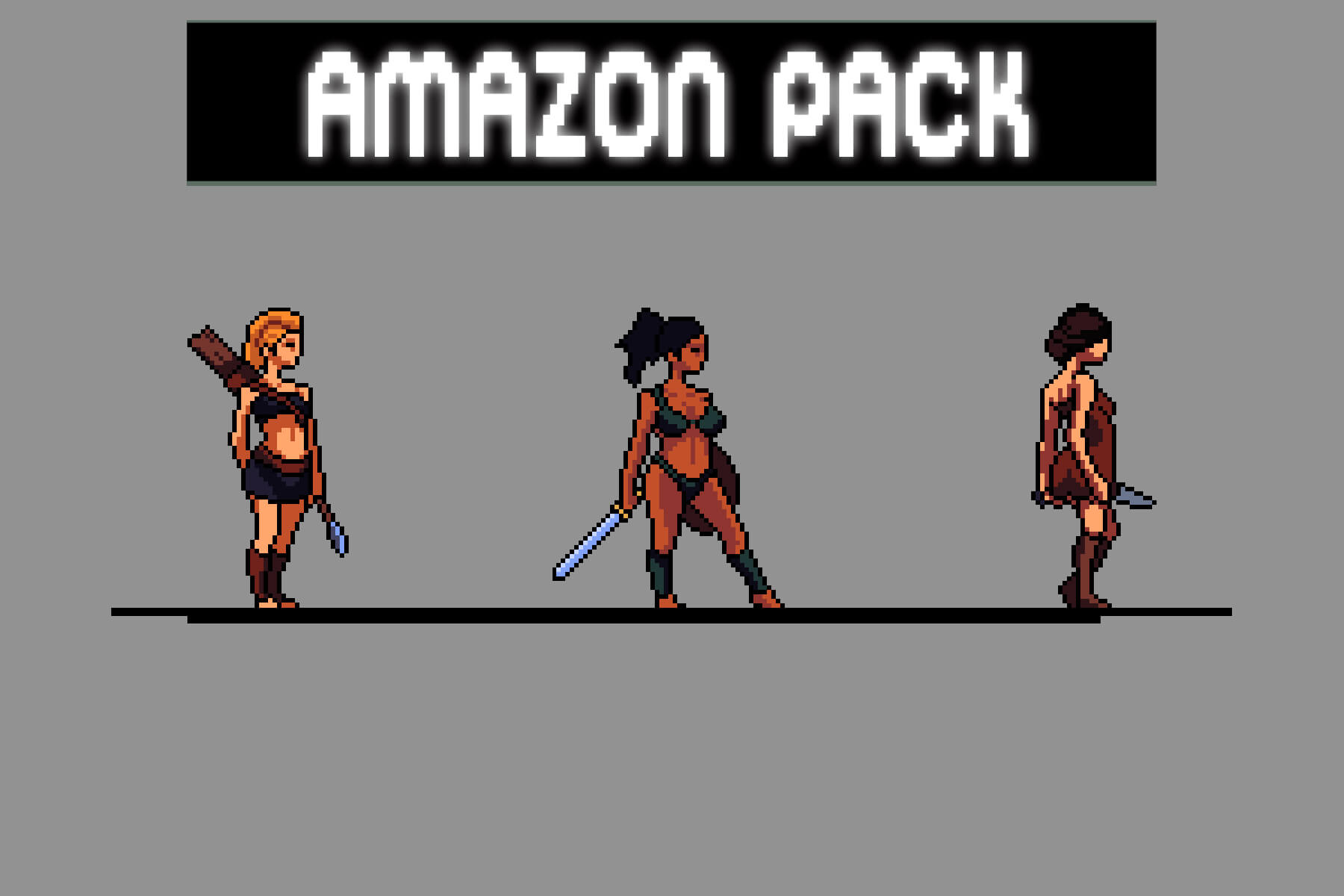
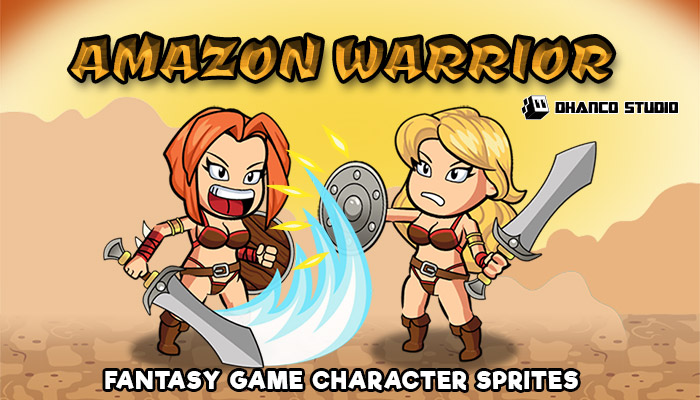
Finding character sprite packs that balance quality with cost requires checking three things: the number of frames per animation, the licensing terms for commercial use, and the resolution of the source files. A $10 pack might look cheap, but if it only includes idle animations and requires you to buy separate packs for attacks and death sequences, the total cost adds up quickly.
Many creators offer tiered pricing. The free tier usually provides basic PNGs or low-res SVGs suitable for prototyping. The premium tier typically unlocks vector files (SVG/AI) for easy resizing, plus additional animation frames and variations like different color palettes. For a tight budget, start with the free assets from sites like Game-icons.net to build your core UI, then invest in a few high-quality character packs for your main protagonists.
Always verify the license before downloading. Some "premium" packs are non-transferable, meaning you cannot use them in a game you plan to sell without buying an extended license. Check if the price covers one project or unlimited projects. This distinction is often where hidden costs appear.
As an Amazon Associate, we may earn from qualifying purchases.
Shortlist real options
Finding the right sprite pack for an indie game often comes down to balancing visual fidelity with performance constraints. While free resources like Game-icons.net offer thousands of SVGs, premium packs typically provide cohesive art styles, consistent lighting, and optimized file structures that save development time. The following options represent the strongest current choices for high-performance game development, selected for their versatility and integration ease.
| Feature | Pixel Art Essentials | Vector Vanguards | Animated Assets Pro | Minimalist UI Kit |
|---|---|---|---|---|
| Format Support | PNG, Sprite Sheets | SVG, PNG | GIF, Lottie, PNG | SVG, PNG |
| Style Focus | Retro 16-bit | Clean Modern | Dynamic Motion | Flat Design |
| License Type | Commercial Free | Royalty-Free | Subscription | Creative Commons |
| Best For | Platformers, RPGs | Strategy, UI Design | Action, Effects | Dashboard, Menu |
Pixel Art Essentials
This pack is ideal for developers targeting retro aesthetics without the overhead of custom animation. The sprite sheets are pre-optimized for WebGL rendering, ensuring smooth frame rates even on lower-end devices. Each character and item icon is designed with a consistent color palette, reducing the need for post-processing. It is particularly effective for platformers and turn-based RPGs where static clarity matters more than fluid motion.
Vector Vanguards
For games requiring crisp scaling across different screen resolutions, vector-based icons are the standard. This collection focuses on clean lines and modern geometry, making it suitable for strategy games and interface-heavy titles. The SVG format allows for infinite scaling without quality loss, which is crucial for responsive UI design. While it lacks animation, the static clarity provides a professional, polished look that enhances user experience.
Animated Assets Pro
Motion adds significant life to indie games, but complex animations can bloat file sizes. This pack offers pre-rigged characters and environmental effects that balance detail with performance. The inclusion of Lottie files allows for lightweight, code-based animations that integrate seamlessly into web-based game engines. It is the best choice for action-oriented games where visual feedback is critical to gameplay feel.
Minimalist UI Kit
Sometimes less is more, especially in dashboard or management simulators. This kit strips away unnecessary detail to focus on function and readability. The flat design approach ensures that icons remain legible at small sizes, which is essential for inventory systems and quick-reference menus. It is a practical choice for developers who prioritize clarity and speed over decorative flair.
| Feature | Pixel Art Essentials | Vector Vanguards | Animated Assets Pro | Minimalist UI Kit |
|---|---|---|---|---|
| Format Support | PNG, Sprite Sheets | SVG, PNG | GIF, Lottie, PNG | SVG, PNG |
| Style Focus | Retro 16-bit | Clean Modern | Dynamic Motion | Flat Design |
| License Type | Commercial Free | Royalty-Free | Subscription | Creative Commons |
| Best For | Platformers, RPGs | Strategy, UI Design | Action, Effects | Dashboard, Menu |
The choice between these packs often depends on your engine’s rendering capabilities. WebGL-friendly formats like SVG and optimized PNGs ensure that your game runs smoothly on browsers, while native sprite sheets offer the best performance for desktop titles. Consider your target platform’s limitations when selecting a format.
Inspect the expensive parts
Use this section to make the decision easier to compare in real life, not just on paper. Start with the reader's actual constraint, then separate must-have requirements from details that are merely nice to have. A practical choice should survive normal use, maintenance, timing, and budget. If a recommendation only works in an ideal situation, call that out plainly and give the reader a fallback path.
-
Verify the basicsConfirm the core specs, condition, and fit before comparing extras.
-
Price the downsideLook for the repair, maintenance, or replacement cost that would change the decision.
-
Compare alternativesCheck at least two comparable options before treating one listing as the benchmark.
Plan for ownership costs
A cheap sprite pack can quickly become a costly time sink if it doesn't fit your workflow. The true cost of indie game assets isn't just the initial download fee; it's the hidden labor of fixing broken files, resizing incompatible formats, and reworking poor exports. When you buy a pack, you are buying a license to use the art, but you are still responsible for the technical integration.
The biggest surprise for most developers is format compatibility. Many budget packs ship in outdated layers or proprietary formats that your engine doesn't read natively. You might save $10 on the pack but lose two hours converting PNGs to the correct sprite sheet structure or fixing alpha channel transparency errors. Always check the file types and layer organization before purchasing. If the pack requires significant manual cleanup, factor that labor into your budget.
Licensing terms also dictate long-term costs. Some "premium" packs restrict usage to non-commercial projects or limit the number of users on a team. If your indie game gains traction and you need to expand your team or switch platforms, you may face unexpected renewal fees or legal risks. Read the EULA carefully to ensure the asset covers your intended distribution channels, from Steam to mobile stores.
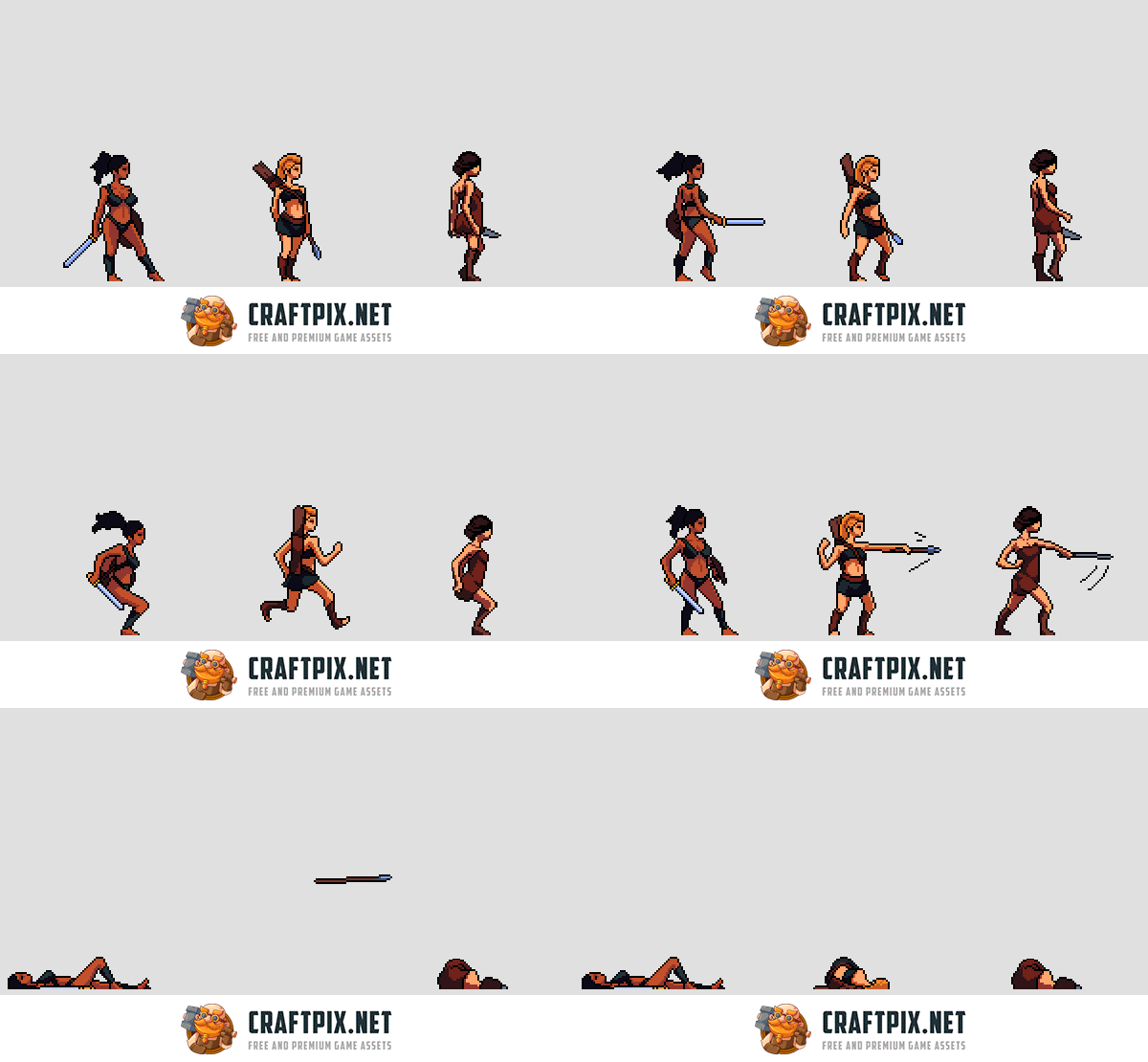
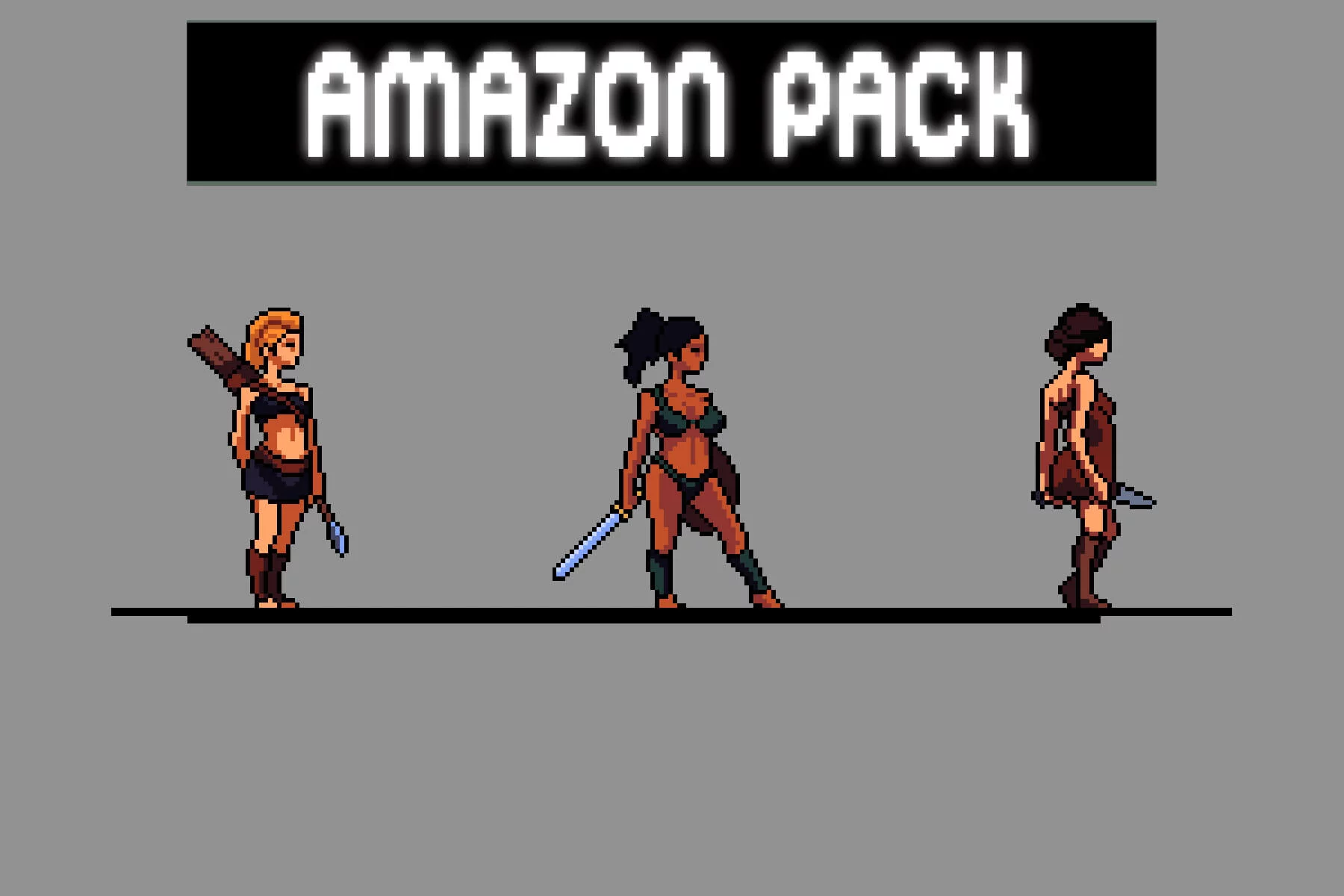
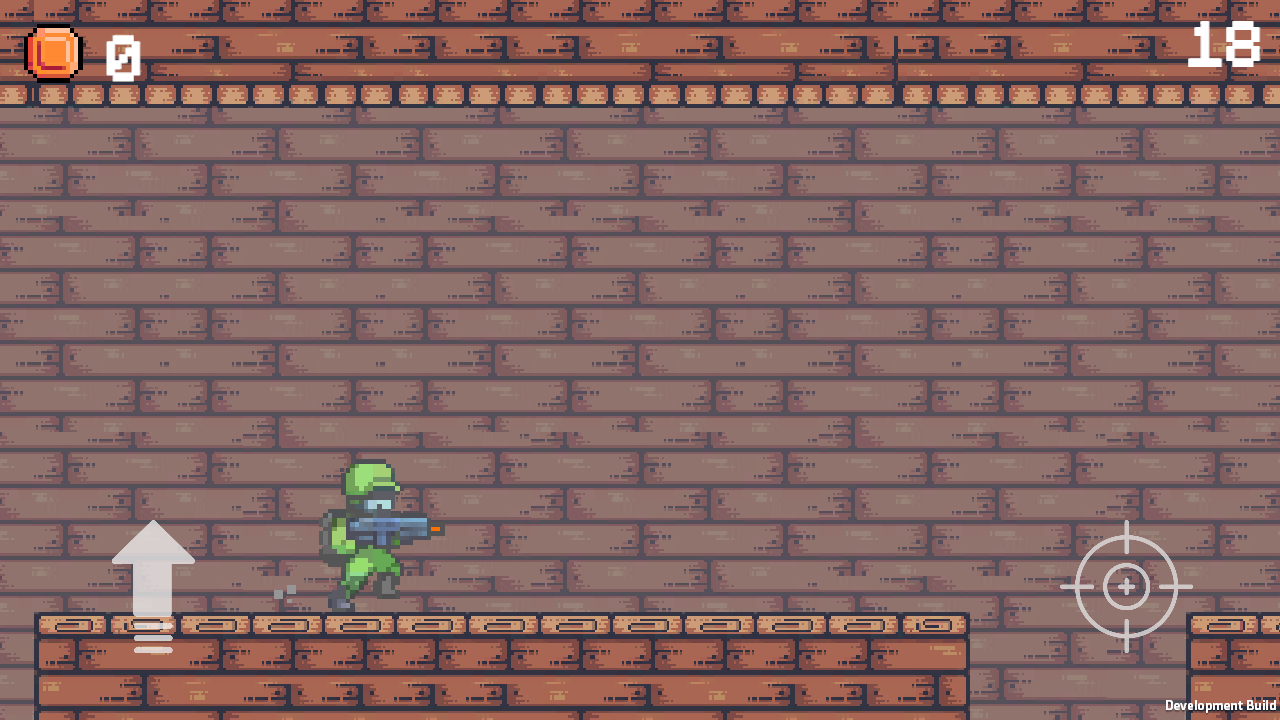
- Animated frames included
- Tileset compatible
- Modular design
As an Amazon Associate, we may earn from qualifying purchases.
Indie game icon: what to check next
Finding the right sprite pack can make or break your game's visual identity. Here are answers to the most common practical questions developers ask before downloading premium character sprite packs.
Can I use premium sprite packs commercially?
Most premium packs on platforms like itch.io or Amazon include a commercial license, allowing you to sell games using the assets. Always read the specific license terms. Some packs restrict resale of the raw assets but permit unlimited game sales. Free resources like game-icons.net often use Creative Commons licenses that may require attribution.
Do I need to modify the icons for my game?
Out-of-the-box icons rarely fit every art style perfectly. You may need to adjust colors, scale, or add outlines to match your game's palette. Starting with a high-quality base pack saves time compared to creating every icon from scratch. Ensure the pack includes source files (like SVG or PSD) if you plan to edit them.
What file formats should I look for?
Vector formats like SVG are ideal for UI icons because they scale without losing quality. Raster formats like PNG are standard for pixel art and 2D sprites. Look for packs that provide both, plus a manifest file listing all assets. This ensures compatibility with engines like Unity or Godot.
How do I ensure icons are consistent across the pack?
Consistency comes from a unified art style, not just similar shapes. Check the creator's portfolio or preview images for style coherence. Premium packs usually maintain consistent line weights, shading, and perspective. Avoid mixing packs with different art directions unless you plan to heavily customize them.
No comments yet. Be the first to share your thoughts!