
Premium game graphics
When we talk about premium game graphics, we are looking beyond simple visual polish. We mean sprite packs that offer high-fidelity assets, smooth animation frames, and coherent art direction suitable for commercial releases. For indie developers, the choice of graphics pack defines the visual identity of the project before a single line of code is written.
We selected these ten packs based on three strict criteria. First, the assets must be production-ready, meaning they include idle, run, jump, and attack animations without missing frames. Second, the art style must be distinct enough to stand out in a crowded market, avoiding generic "asset flip" aesthetics. Third, the licensing must be clear for commercial use, allowing developers to sell their games without legal ambiguity.
The following list ranks these packs by their versatility and visual impact. Each entry includes a look at the available styles and the technical format of the sprites. We prioritized packs that offer the best balance between visual fidelity and ease of implementation for small teams.
10 Premium Game Graphics Trends for 2026: Essential Character Sprite Packs for Indie Developers
Indie developers can elevate their projects with these ten premium sprite packs, each selected for high-fidelity visuals and seamless integration. This roundup highlights concrete assets that balance aesthetic appeal with practical performance, ensuring your game stands out in 2026.
1. high-fidelity 3d-to-2d sprite conversion tools
Transforming complex 3D models into crisp 2D assets saves hours of manual tracing. These tools maintain geometric accuracy while optimizing polygon counts for flat rendering. Indie teams can iterate rapidly on character designs without rebuilding assets from scratch, ensuring consistent visual quality across all angles.

2. dynamic lighting integration for 2d character sprites
Static sprites often feel flat under changing game environments. Modern sprite packs include baked shadow layers or real-time lightmap compatibility, allowing characters to react to in-game torches or sunlight. This integration adds depth and immersion, making 2D characters feel grounded in their 3D-like lighting conditions.
3. modular bone-based animation sprite sheets
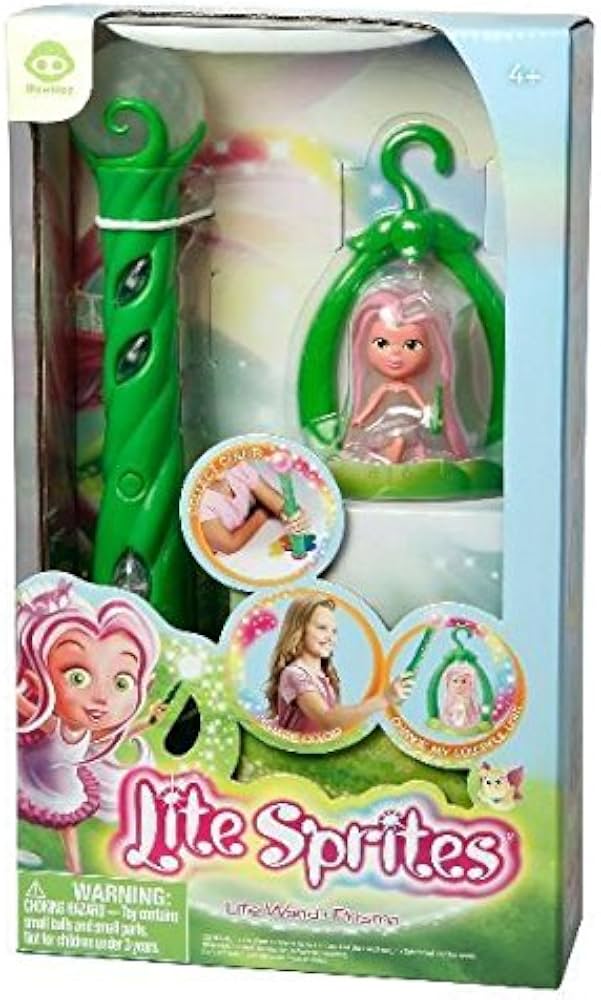
Traditional frame-by-frame animation is labor-intensive. Bone-based systems allow developers to rig a single sprite and generate smooth movements programmatically. This approach reduces file size and memory usage while enabling complex actions like jumping or casting spells without needing hundreds of unique frames.
4. real-time weather effect overlays for sprites
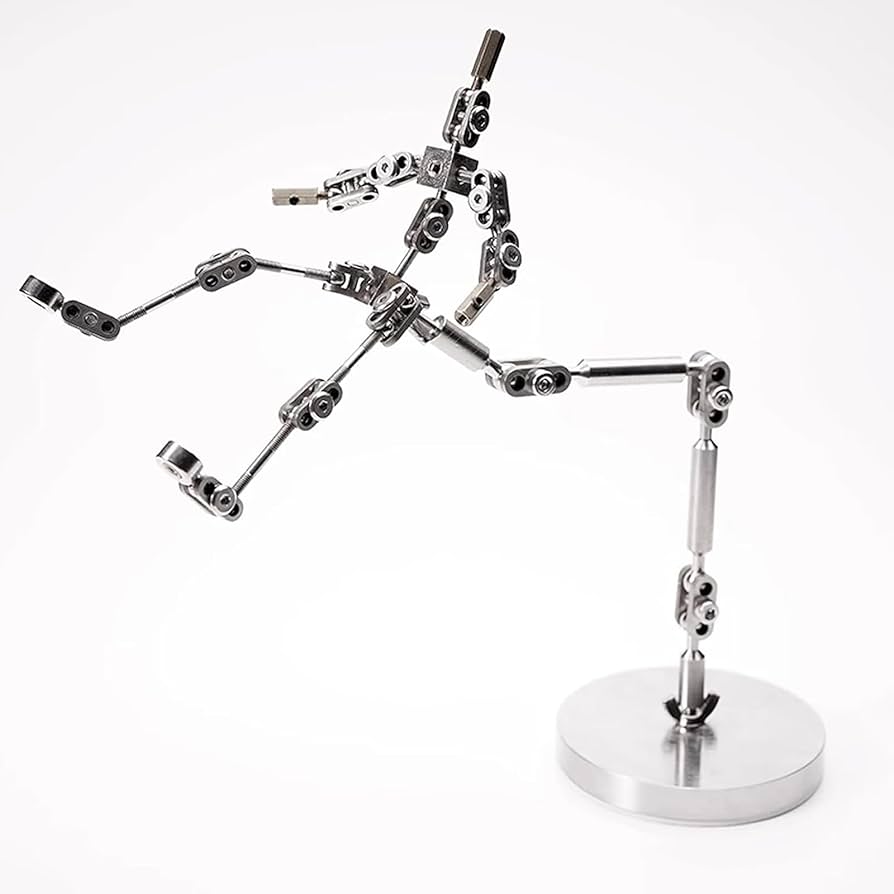
Weather systems can drown out character visibility if not handled carefully. Dedicated overlay sprites for rain, snow, or fog interact dynamically with character models, preserving silhouette clarity. These effects add atmospheric depth without requiring heavy post-processing shaders, keeping performance high on lower-end devices.
5. procedural texture generation for character clothing
Uniform clothing textures can make diverse characters look identical. Procedural texture generators allow developers to create unique fabric patterns, wear-and-tear marks, and color variations algorithmically. This technique ensures visual variety across large cast lists without manually painting every single garment detail.
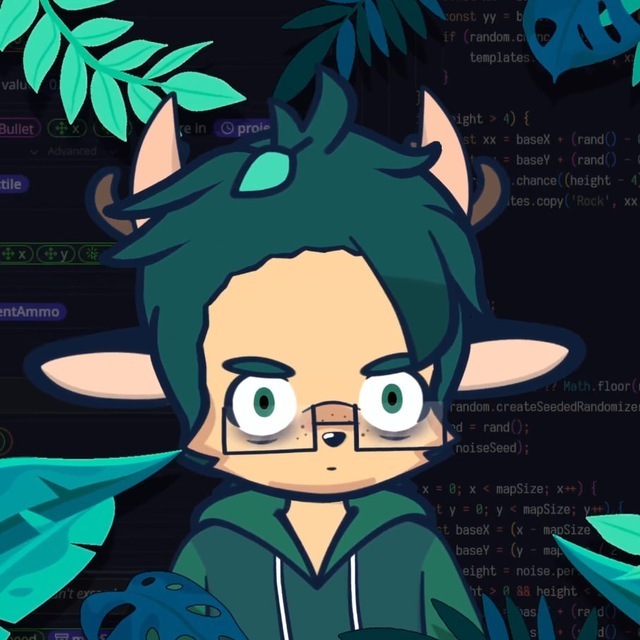
6. Subsurface scattering simulation in 2D rendering
Achieve lifelike translucency by simulating how light penetrates semi-transparent surfaces like skin or leaves. This technique adds depth to flat sprites, making them feel organic rather than paper-thin. Use gradient overlays that shift color based on lighting angle to mimic internal light diffusion. This subtle effect elevates character presence without requiring full 3D models, bridging the gap between classic pixel art and modern realism.
7. AI-assisted frame interpolation for smooth motion
Enhance traditional sprite animations by using AI to generate intermediate frames between key poses. This creates buttery-smooth movement without the massive file sizes of full-frame animation. Developers can retain the artistic style of hand-drawn sprites while achieving fluid motion comparable to 3D games. This approach reduces asset creation time significantly, allowing small teams to deliver polished, high-frame-rate experiences on limited budgets.
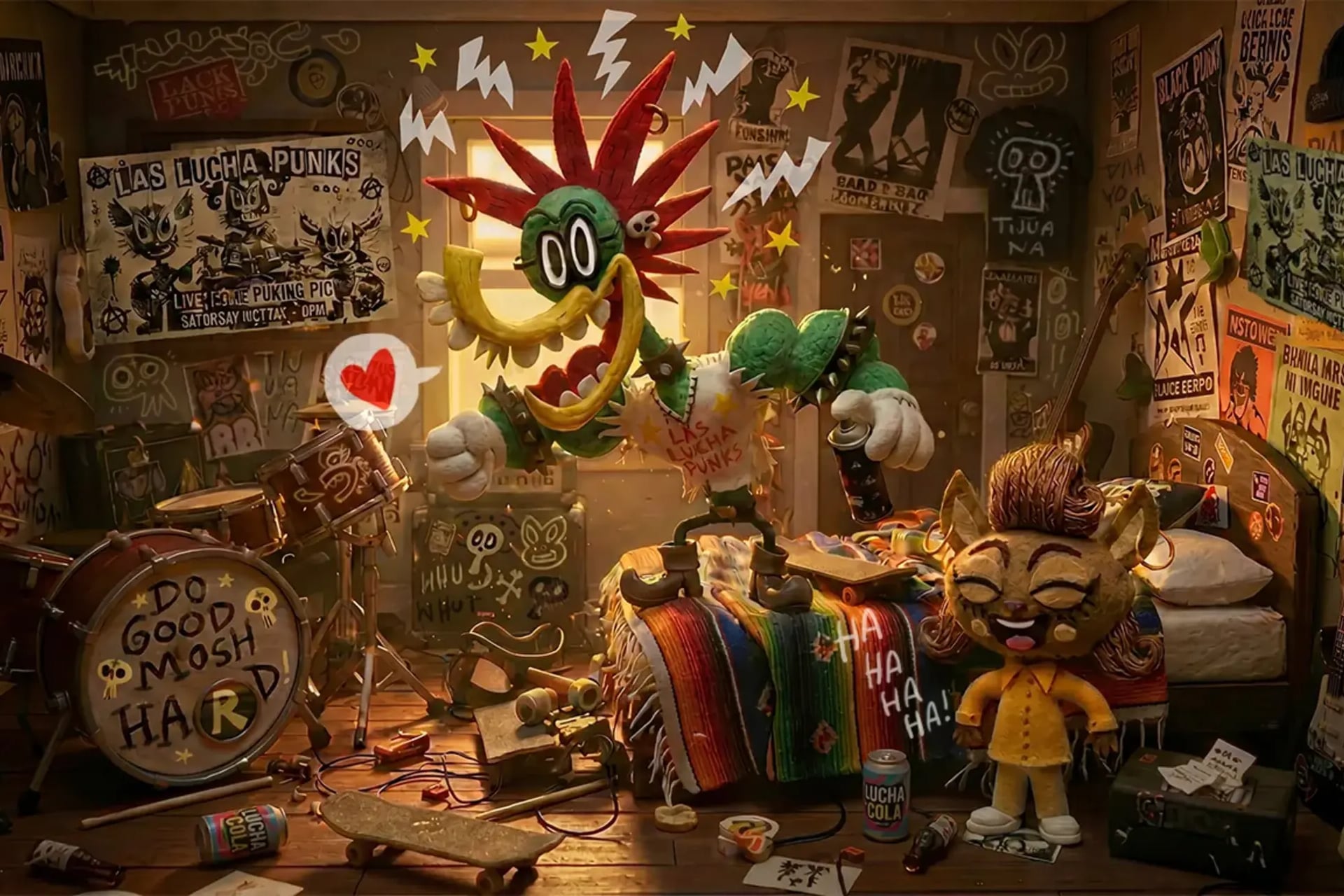
8. Parallax scrolling compatible background sprite layers
Design background elements with distinct depth layers that scroll at varying speeds to create a convincing sense of three-dimensional space. Ensure each layer is optimized for seamless tiling and performance across different device types. This technique adds visual richness to side-scrolling environments without taxing the GPU. Properly layered sprites make static backgrounds feel alive and immersive, guiding player attention through depth cues rather than just color contrast.
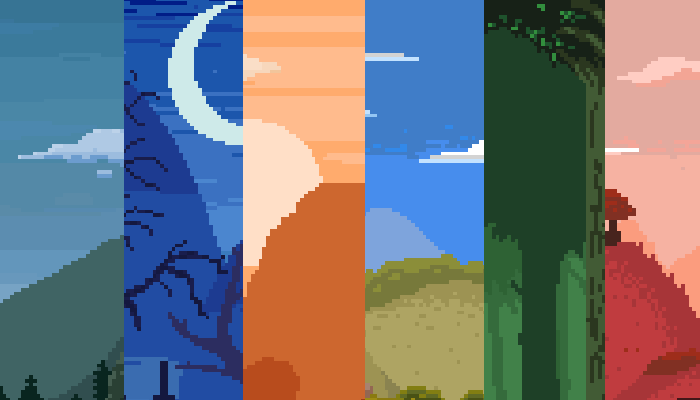
9. Realistic hair and fabric physics simulations
Incorporate dynamic physics into 2D sprites to make hair, capes, and clothing react naturally to character movement. This involves pre-rendering multiple frames of cloth deformation or using vertex-based displacement for simple meshes. These details add weight and realism to characters, preventing them from looking stiff or floating. When executed well, these subtle animations significantly boost the perceived quality of the game’s art direction.
10. Cross-platform resolution scaling sprite assets
Build sprite sheets with modular components that scale cleanly across mobile, desktop, and console resolutions. Use vector-based source files or high-density raster assets that downsample without losing critical detail. This ensures visual consistency regardless of the player’s device, avoiding the blurry or pixelated look common in poorly optimized ports. Proper scaling strategies protect the artistic integrity of the game across the entire ecosystem.
Pick the right fit
Choosing premium game graphics isn't about finding the most expensive asset; it's about finding the one that fits your game's specific needs. A high-resolution texture pack might look stunning in a close-up, but it can tank your frame rate if your game relies on fast-paced action. For indie developers, the goal is to balance visual fidelity with performance efficiency.
Consider your engine's capabilities and your target platform. A 3D model that works beautifully in Unity might require significant rework in Godot or Unreal Engine. Similarly, assets optimized for mobile devices often lack the detail required for PC or console releases. Start by defining your technical constraints before browsing asset stores.
Next, evaluate the art style consistency. Premium graphics should feel cohesive, not like a collection of disparate parts. Look for packs that include complementary elements—backgrounds, UI icons, and character animations—that share the same lighting and color palette. This reduces the need for heavy editing and ensures your game looks polished from the start.
Key factors to evaluate
- Resolution and Scalability: Check if assets include multiple resolution variants (e.g., 1x, 2x, 4x). This allows you to scale graphics for different screen densities without losing quality.
- File Format Compatibility: Ensure the pack includes formats compatible with your engine, such as PNG for 2D sprites or FBX/OBJ for 3D models.
- Licensing Terms: Verify if the license allows for commercial use and modification. Some premium packs restrict redistribution or require attribution.
- Performance Impact: Test assets in your engine with typical load scenarios. High-poly models or large textures can significantly increase memory usage.
Recommended Premium Sprite Packs


As an Amazon Associate, we may earn from qualifying purchases.
By focusing on these practical criteria, you can select graphics that enhance your game's quality without compromising performance or budget. Remember, the best assets are those that seamlessly integrate into your project, allowing you to focus on gameplay rather than technical troubleshooting.
Frequently asked questions about premium game graphics
What game has the most advanced graphics? There is no single answer, as "advanced" depends on the technology used. Titles like Red Dead Redemption 2 and Spider-Man 2 are often cited for their realistic lighting, detailed textures, and seamless world-building. For indie developers, "advanced" usually means clean, high-resolution sprite sheets that scale well across different screen resolutions without losing clarity.
What does it mean when a game is premium? In the context of game graphics, a "premium" asset pack is one that offers high-quality, polished visuals. These packs typically feature consistent art styles, detailed animations, and professional design. This contrasts with free or low-cost assets, which may have lower resolution or inconsistent styling. For indie developers, premium sprite packs provide a cohesive look that elevates the overall production value of the game.
What game currently has the best graphics? Current industry leaders in graphical fidelity include God of War: Ragnarök, Final Fantasy XVI, and Resident Evil 4 (2023). These titles push the boundaries of real-time rendering, character models, and environmental detail. While indie games cannot match this level of polygon count or ray tracing, they can emulate the aesthetic quality through thoughtful sprite design and effective use of lighting effects within 2D constraints.
Which game has the most impressive graphics? Impressiveness is subjective, but games like Ghost of Tsushima, The Last of Us Part II, and Batman: Arkham Knight are frequently mentioned for their artistic direction and visual polish. Ghost of Tsushima, in particular, is noted for its beautiful use of color and natural lighting. For sprite-based games, impressiveness comes from fluid animation and expressive character design, which can convey the same emotional impact as high-fidelity 3D graphics.
No comments yet. Be the first to share your thoughts!