
Premium game graphics budget
Setting a realistic budget for premium asset packs requires balancing cost against the age and condition of the content. While new releases from major marketplaces like Unity Asset Store or Unreal Engine Marketplace offer polished, modern assets, older or second-hand packs can provide significant value if you know what to check.
Pricing Tiers and Trade-offs
Premium asset packs generally fall into three distinct price brackets, each offering different levels of support and compatibility.
- Standard Packs ($20–$50): These are typically single-theme collections, such as a specific sci-fi corridor or fantasy character set. They are ideal for prototyping or small-scale indie projects where a unified aesthetic is sufficient. Expect standard documentation and limited updates.
- Professional Suites ($50–$150): These comprehensive bundles include multiple character models, animations, and environmental props. They often come with source files (FBX, PSD) and active developer support. This tier is best for teams building a cohesive game world who need consistency across assets.
- Enterprise Licenses ($150+): Intended for larger studios or commercial titles with high revenue potential. These licenses often include exclusive rights, priority support, and access to future updates. For most indie developers, this tier is unnecessary unless you plan to resell the assets.
Evaluating Asset Age and Condition
When browsing marketplaces, the "date added" is a more reliable indicator of quality than the price tag. Older assets may use outdated rendering techniques or lack support for modern engines like Unity 6 or Unreal Engine 5.1. Always check the asset's compatibility notes and user reviews for mentions of bugs or missing textures.
Condition also matters. Avoid packs with fragmented documentation or broken links in their preview galleries. A well-maintained pack from two years ago is often a better investment than a poorly documented new release. Look for packs with recent updates, as this indicates the developer is actively maintaining compatibility with engine changes.
Where to Buy

- High-quality 3D models
- Multi-format support
- Commercial license included
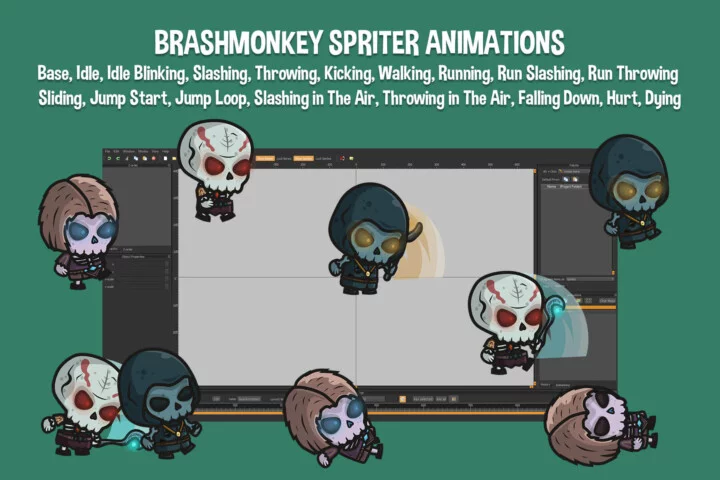
As an Amazon Associate, we may earn from qualifying purchases.
By focusing on compatibility and active maintenance, you can secure high-quality graphics that fit your budget without compromising on visual fidelity.
Shortlist real options
Finding the right visual assets is the difference between a prototype that feels rough and a game that looks polished. For indie developers, premium sprite packs and graphics bundles offer a shortcut to high-fidelity visuals without the cost of a full art team. The market is saturated, so narrowing the field to proven, well-structured packs saves weeks of iteration.
When evaluating premium options, look for consistency in style, layer organization, and licensing clarity. A pack that forces you to recolor every asset defeats the purpose of buying it. The following options represent the strongest current choices for developers who need reliable, production-ready graphics.
| Pack Name | Art Style | Format | Best For |
|---|---|---|---|
| Pixel Fantasy RPG Bundle | 16-bit Retro | PNG Sprites | Top-down RPGs |
| Sci-Fi UI Kit Pro | Modern Flat | SVG/PNG | Mobile Strategy Games |
| Low Poly Nature Assets | 3D Low Poly | FBX/OBJ | Open World Exploration |
| Character Sprite Master | Hand-Drawn 2D | PSD/Aseprite | Platformers |
The Pixel Fantasy RPG Bundle remains a staple for retro-style projects. It provides a complete set of character animations, tilesets, and props that share a consistent palette. This consistency is critical for maintaining visual cohesion across different levels.
For mobile-focused developers, the Sci-Fi UI Kit Pro addresses the specific needs of touch interfaces. It includes scalable icons, buttons, and HUD elements that look sharp on both high-DPI phones and tablets. The clean design reduces cognitive load for players.
Low Poly Nature Assets cater to the growing trend of stylized 3D indie games. These models are optimized for performance, ensuring smooth framerates on lower-end hardware. The modular nature of the assets allows for rapid level design.
Character Sprite Master offers deep customization for 2D platformers. The layered PSD files allow developers to swap armor, weapons, and colors without redrawing animations. This flexibility is invaluable for games with multiple character classes or cosmetic systems.
Inspect the expensive parts
Premium asset packs save time, but they can also break your build if you skip the basics. Before you commit to a $50 sprite sheet or a $200 UI kit, run through this checklist. It targets the specific failure points that cost indie developers the most time to fix later.
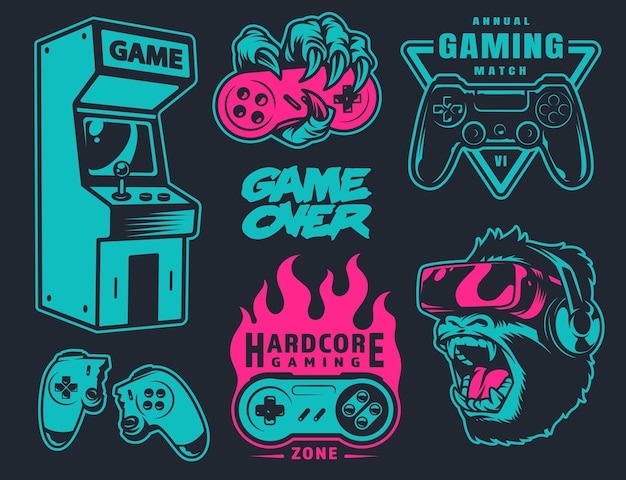
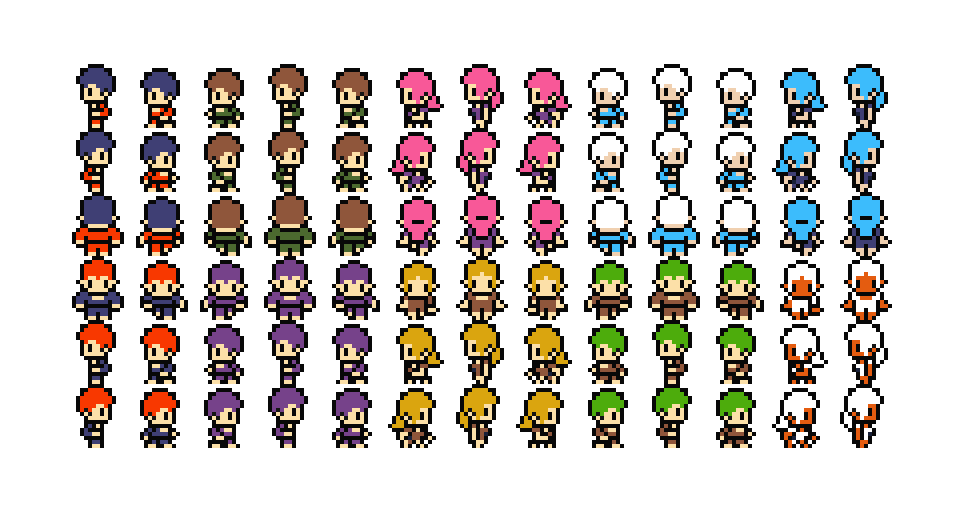
Most sprite packs look fine in a static grid. Open the animation files and scrub through every frame. Look for "pop-in" where a frame is missing, or mismatched pivot points that cause characters to slide across the floor. A broken idle loop is the first thing players notice.
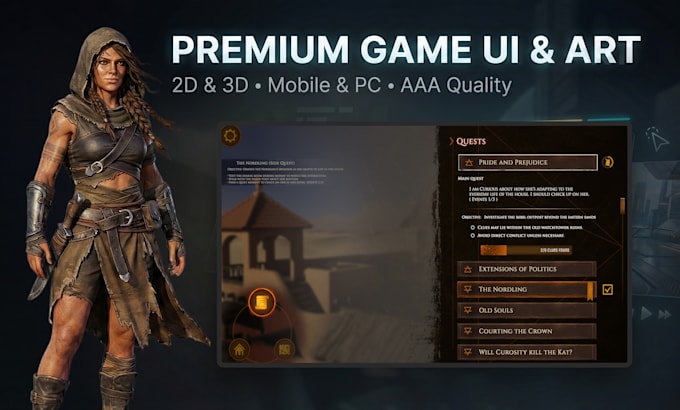
Developers often assume assets follow a standard like walk_01.png, walk_02.png. Premium packs rarely do. They might use char_01, char_02, or random UUIDs. If you have to rename 200 files manually, you have already lost the time you saved buying the pack. Check the source files before importing.
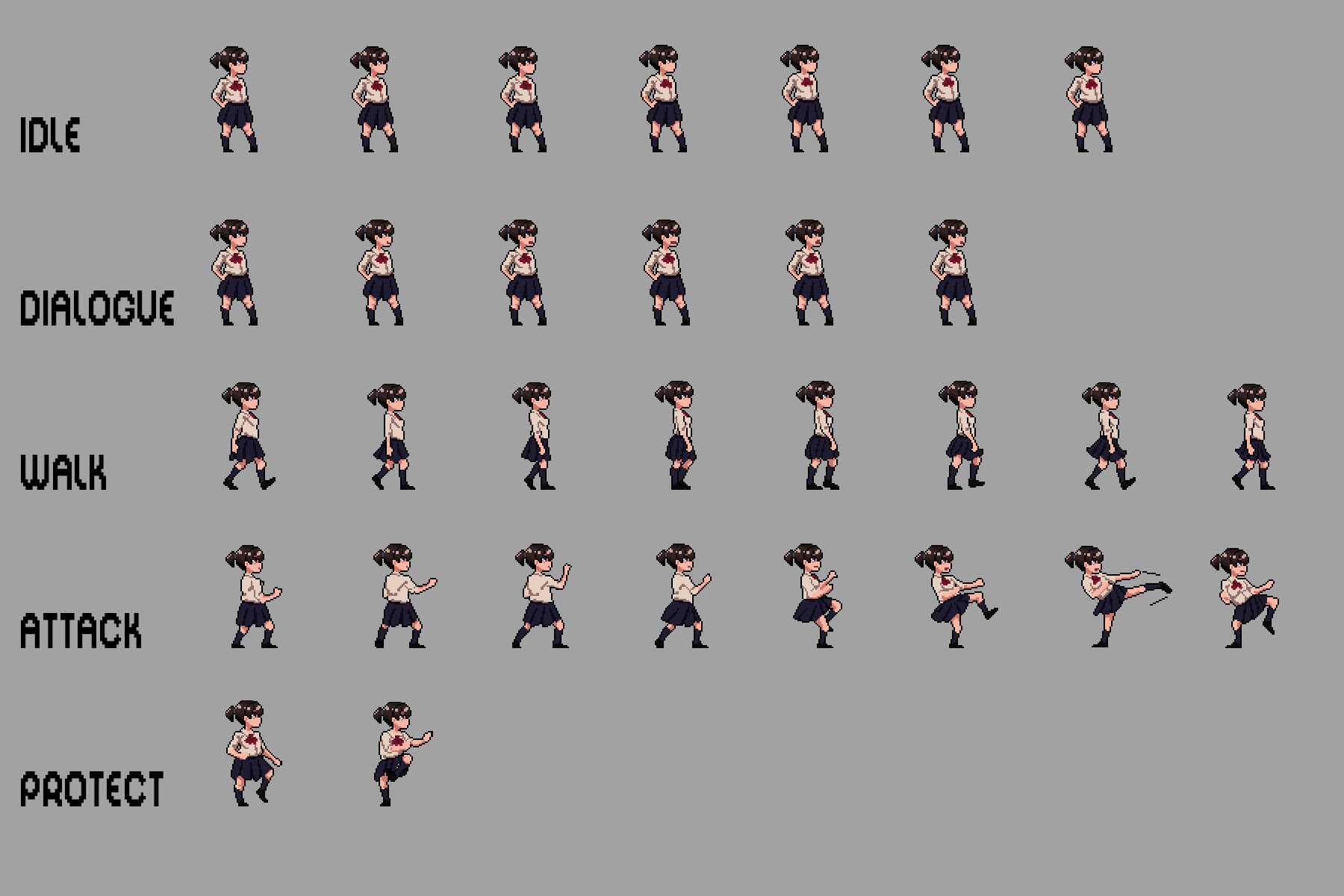
PNGs should have clean alpha channels. Zoom in on the edges of your sprites. Look for jagged pixels, white halos, or semi-transparent artifacts that won't render correctly on all platforms. These issues are invisible in the preview but obvious in-game.
Not all "premium" packs allow commercial resale. Some are for personal use only, or require attribution. If you plan to sell your game on Steam or the App Store, ensure the license explicitly permits commercial distribution. Read the fine print to avoid legal headaches later.
As an Amazon Associate, we may earn from qualifying purchases.
Taking five minutes to inspect these areas prevents days of debugging. A well-vetted pack integrates smoothly; a poorly checked one becomes a technical debt trap.
Plan for ownership costs
A sprite pack’s sticker price is only the upfront friction. The real cost shows up when you try to integrate it into a 2026 engine or a specific art pipeline. Cheap packs often hide expenses in compatibility fixes, licensing restrictions, or the time required to retarget assets for different resolutions.
Before buying, check the technical specs against your current setup. Does the pack use Aseprite, Photoshop, or a custom engine format? If you need to convert 2D sprites to 3D models or update them for a new rendering pipeline, factor in the hours spent on those conversions. Many "premium" packs are locked to specific tools, which can turn a $20 asset into a $200 engineering problem if your workflow doesn't align.
Licensing is the second silent cost. Some packs prohibit selling games on certain platforms or require revenue sharing. Always read the EULA to ensure you can use the assets commercially without legal surprises. A restrictive license can force you to rebuild your game’s visual identity later, which is far more expensive than paying for a more flexible, higher-quality pack upfront.

As an Amazon Associate, we may earn from qualifying purchases.
Premium game graphics: what to check next
Indie developers often face specific hurdles when integrating high-end assets into smaller-scale projects. Below are practical answers to the most common concerns regarding licensing, performance, and visual consistency.
No comments yet. Be the first to share your thoughts!