Why style matters more than size
It is easy to treat a game icon as a simple label, but it is actually the first moment of contact with your player. A generic free file might catch the eye for a second, but it rarely builds trust. When you download a game icon, you are downloading a promise of quality. If that promise looks cheap, players will scroll past. In 2026, the market is flooded with assets, so cohesion is your only real advantage.
Think of your icon as the cover of a book. A messy cover with mismatched fonts and clashing colors tells the reader the story inside is just as disorganized. A cohesive icon, even with simple shapes, signals that you care about the details. This visual consistency carries over into your store page, social media, and gameplay. It creates a brand identity that feels intentional rather than assembled from random parts.
Building a visual system
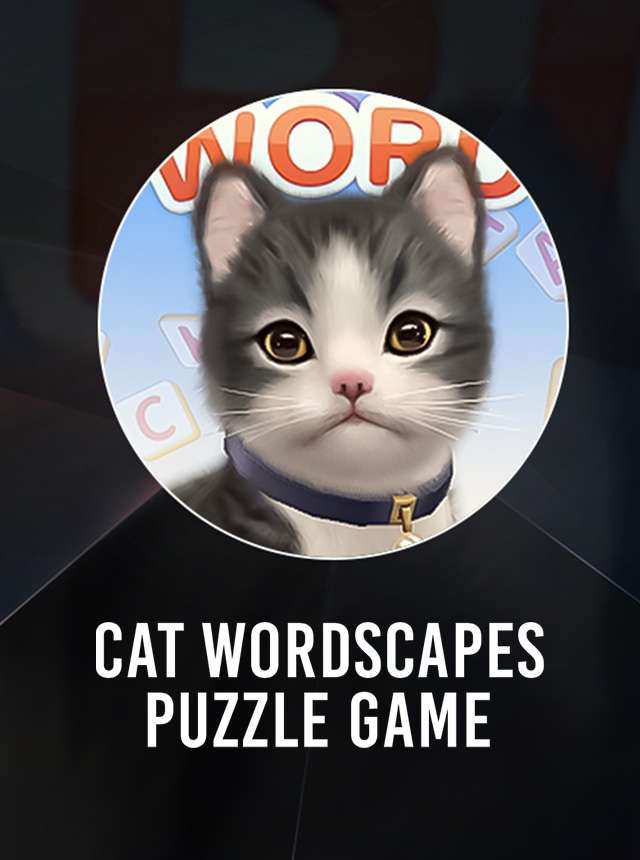
Stop looking for a single "perfect" icon and start looking for a style system. A good icon set shares lighting, corner radius, and color depth. When you download a game icon, check if it belongs to a larger family. If you can mix it with other assets from the same pack without it looking out of place, you have found a winner. This approach saves hours of manual editing later.
Your players are judging your game before they even click "Install." A polished, unified aesthetic suggests a polished game. It is the difference between a hobby project and a product ready for launch. Focus on style first, and the size will take care of itself.
Top free libraries for quick prototyping
When you are building your first prototype, you don't have time to draw every single pixel. You need game icons that look polished but are free to use immediately. The following libraries are the best places to find high-quality assets without worrying about legal headaches.
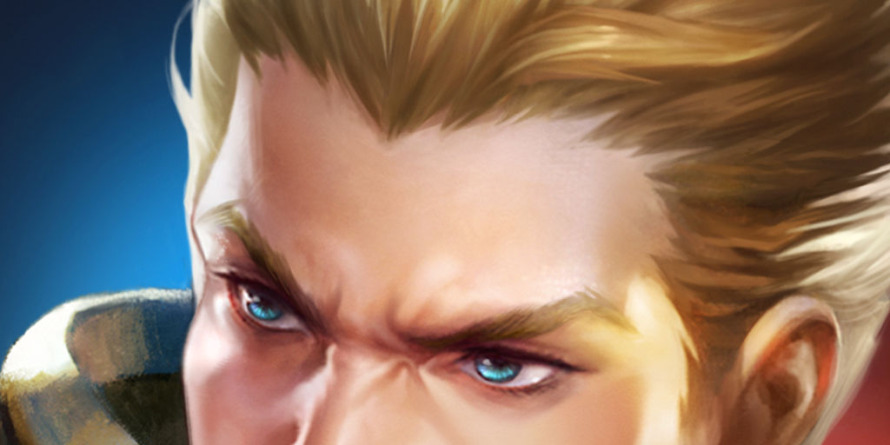
Start with these resources to get your game icon download process moving. Once your core mechanics are working, you can replace these placeholders with custom art. For now, focus on getting the gameplay right.
When to buy premium game graphics
Free icon libraries are the backbone of early development, but they are not a limitless resource. As your project moves from prototype to launch, you will hit a wall where generic assets no longer fit your vision. Spending money on premium game graphics is not about vanity; it is about buying back your time and securing a unique identity in a crowded market.
The best time to spend is when you are building the core visual language of your game. If you are designing a fantasy RPG or a stylized platformer, standard UI elements and inventory icons need to feel cohesive. Premium packs offer consistent art direction, lighting, and texture styles that free assets rarely match. Buying a unified set ensures your game looks polished from the first click, rather than patched together from disparate sources.
Consider the impact of your store listing. Players make snap judgments based on icons and thumbnails. A custom, high-resolution icon pack signals professionalism and care, which can significantly boost click-through rates. When you invest in premium assets, you are investing in your game’s first impression.
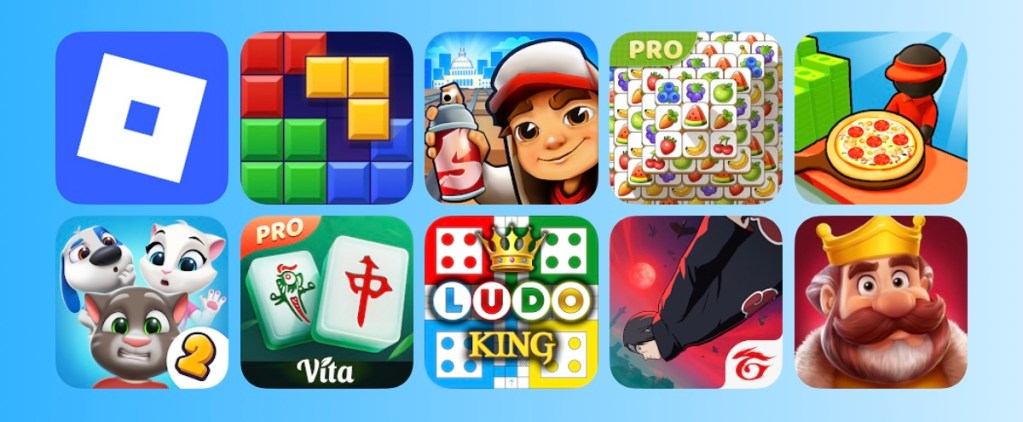
Finally, premium assets often come with source files (PSD, AI, or SVG). This flexibility allows you to tweak colors or shapes to match your brand without hiring an artist. For indie developers, this balance of quality and adaptability is worth the investment.
Best character sprite packs for sale
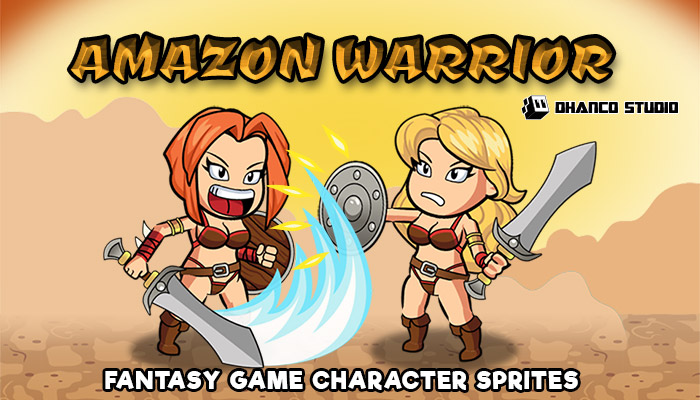
Finding the right character assets can make or break a game's visual identity. For indie developers in 2026, the market has shifted toward highly cohesive, ready-to-animate sprite packs that save weeks of drawing time. Instead of hunting for individual icons, these bundles provide full character sets with consistent art styles, lighting, and proportions.
The best packs offer more than just static images; they include idle, walk, and attack animations that slot directly into modern game engines. This consistency ensures your protagonist doesn't look like a patchwork of different artists' work. When selecting a pack, look for transparent backgrounds and organized file structures that minimize technical friction during implementation.
Below are three top-rated character sprite bundles available for purchase that fit various genre needs, from fantasy RPGs to casual mobile games.

As an Amazon Associate, we may earn from qualifying purchases.
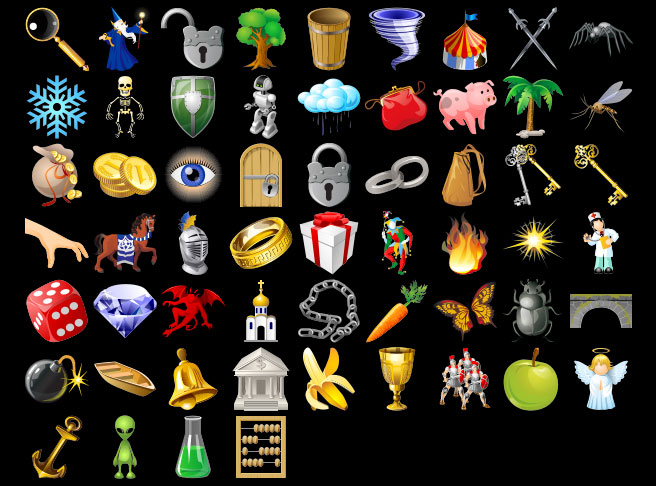
Quality matters more than quantity. A smaller, well-optimized pack with clean pixel art or crisp vector graphics often outperforms a massive, messy library. Check the preview images carefully for edge cases like shadow casting and transparency handling. Investing in a high-quality pack early in development keeps your visual style sharp and your production schedule on track.
Where to find unique indie game icons
Generic asset packs can make your project look like a template. To break through the noise, look toward community-driven platforms where artists share distinctive, hand-crafted work. In 2026, the best indie icons come from creators who prioritize personality over polish, offering assets that feel personal rather than produced.
DeviantArt remains a powerhouse for this kind of creativity. Artists like Icons512 curate extensive galleries of game-specific icons that blend pixel art with modern UI trends. These collections often include variations in style, color, and shape, giving you the flexibility to mix and match until your interface feels cohesive. Because these are shared by the community, you can often find niche themes that mainstream stores overlook.
When browsing these platforms, focus on artists who show their process. Look for posts that explain the constraints they worked under, such as limited color palettes or strict grid sizes. This context helps you understand how to adapt their work to your own game’s aesthetic. By supporting these creators directly, you gain access to assets that stand out in a crowded marketplace.
Common questions about game assets
Choosing the right icon source can feel overwhelming when you are just starting out. Here are the most frequent questions indie developers ask about licensing and file formats.
No comments yet. Be the first to share your thoughts!