
Why indie game icons matter
In the crowded indie game market, visual assets are not just decoration; they are your primary interface with the player. High-quality character sprite packs and icon sets define how a game feels before a single line of code is executed. For developers operating with limited budgets, these assets serve as the visual shorthand that communicates genre, tone, and quality instantly.
A cohesive icon set reduces cognitive load. When UI elements, character states, and environmental cues share a consistent visual language, players understand the game world intuitively. This consistency is critical for retention. If a player struggles to interpret what an icon represents, immersion breaks, and engagement drops. In 2026, as screen real estate shrinks and attention spans fragment, clarity is the ultimate luxury.
Visual consistency is not just aesthetic; it is a functional requirement for player retention in indie titles.
The cost of poor asset quality is high. Low-resolution or inconsistent sprites can make a polished game feel amateurish, undermining trust in the developer’s competence. Conversely, a well-curated sprite pack elevates production value, allowing small teams to compete visually with larger studios. This is especially true for platformers, RPGs, and strategy games where character recognition is key.
Investing in high-quality icons is an investment in user experience. It signals to players that the developer cares about every detail, from the main menu to the smallest inventory item. This attention to detail builds brand loyalty and encourages word-of-mouth promotion, which is often the most effective marketing tool for indie developers.
Top free icon resources
Indie developers rarely have the budget for custom iconography. Relying on established free repositories is the standard workaround, but quality varies wildly between polished UI kits and inconsistent asset dumps. The following resources are selected for consistency, license clarity, and volume. They serve as the backbone for most small-scale projects.
| Resource | Format | License | Volume |
|---|---|---|---|
| Game-icons.net | SVG, PNG | CC-BY 3.0 | 4,180+ |
| itch.io (Icons tag) | PNG, SVG | Varies (CC0/CC-BY) | Thousands |
| The Noun Project | PNG, SVG, EPS | Free with attribution | 30M+ |
Game-icons.net remains the most reliable starting point. It hosts over 4,100 icons that are strictly CC-BY 3.0, meaning you only need to provide attribution. The collection is curated by a single creator, which ensures a cohesive visual style across different categories. Unlike massive aggregators, the icons here are hand-drawn and optimized for small resolutions, making them ideal for retro-style UIs or minimalist indie interfaces.
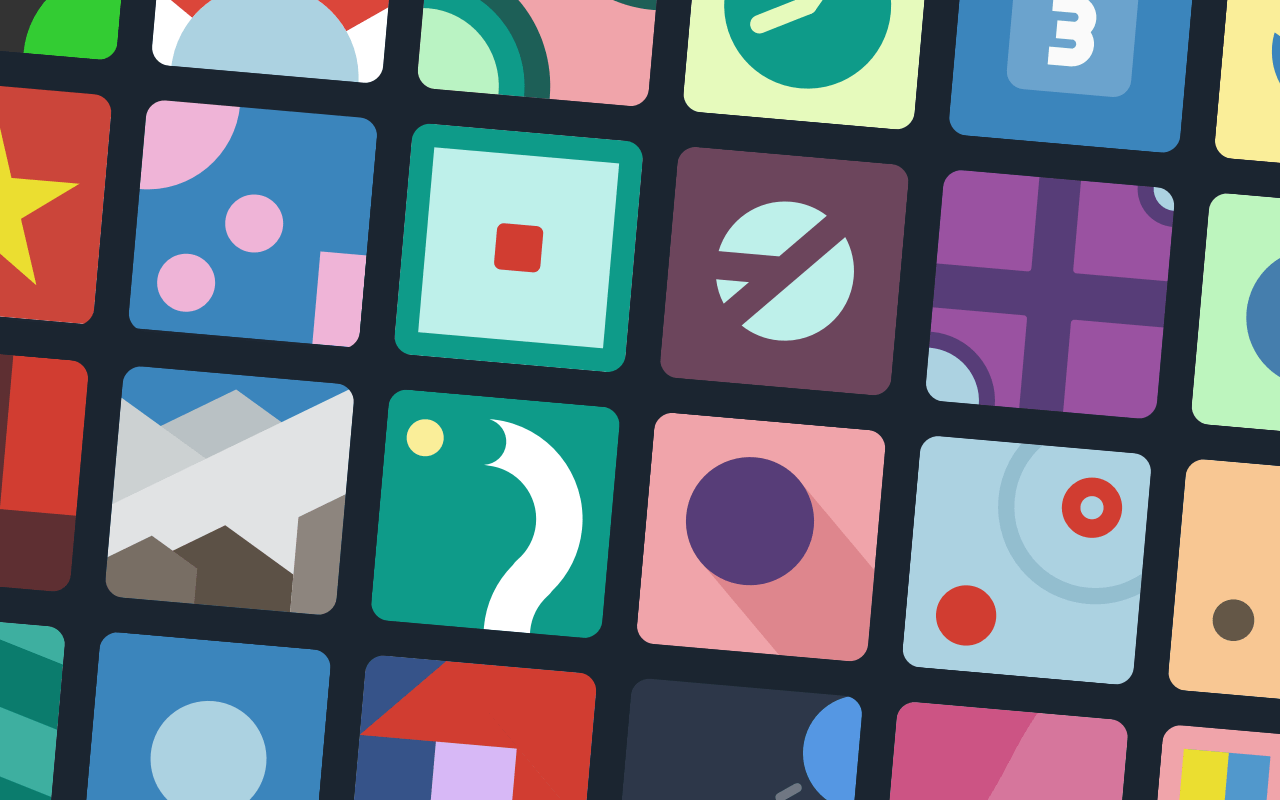
For broader variety, itch.io’s free assets section is indispensable. It functions as a marketplace where developers upload their own icon packs. While the quality control is looser than game-icons.net, you can find niche packs that match specific game genres, such as fantasy RPGs or sci-fi shooters. Always check the individual license attached to each pack; most are CC0 or CC-BY, but some may restrict commercial use.
The Noun Project offers the largest library but requires careful selection. It aggregates icons from thousands of designers, so consistency is not guaranteed. The free tier allows downloads with attribution, but high-resolution vector files often require a subscription. Use it when you need a specific, obscure symbol that other repositories lack, but be prepared to clean up the visual style to match your game’s aesthetic.
Premium sprite pack options
While free assets provide a starting point, premium sprite packs offer the fidelity and uniqueness required for professional indie releases. Paid collections typically feature higher resolution, consistent art direction, and comprehensive animation sets that save weeks of development time. This investment often pays for itself through polished visuals and reduced manual labor.
Curated asset libraries
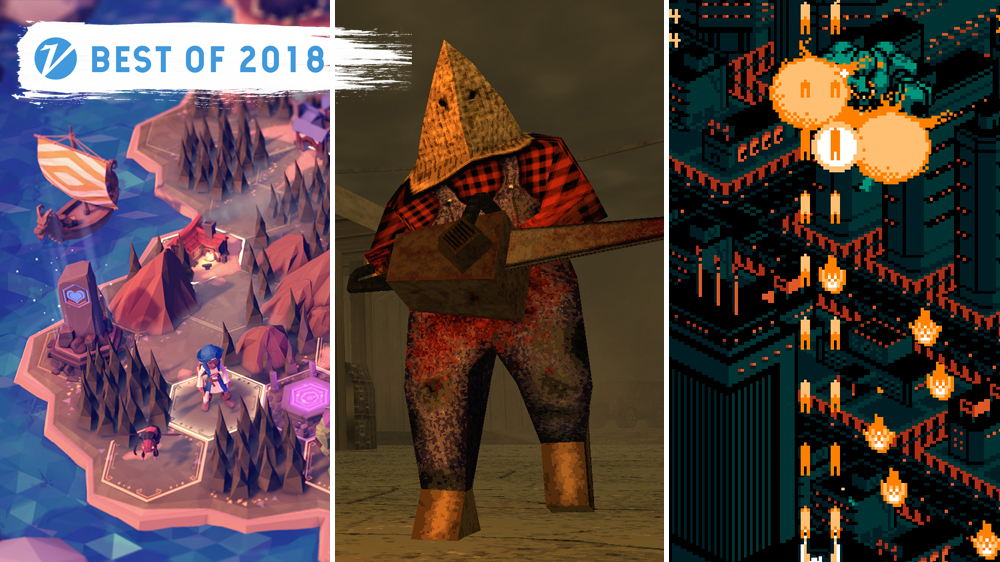
Platforms like Icons8 and Adobe Stock host specialized indie game icon collections. These libraries offer royalty-free licensing, allowing you to integrate high-quality assets into commercial projects without legal ambiguity. The variety ranges from retro 8-bit styles to modern vector-based characters, ensuring your game stands out in crowded marketplaces.
Essential development tools
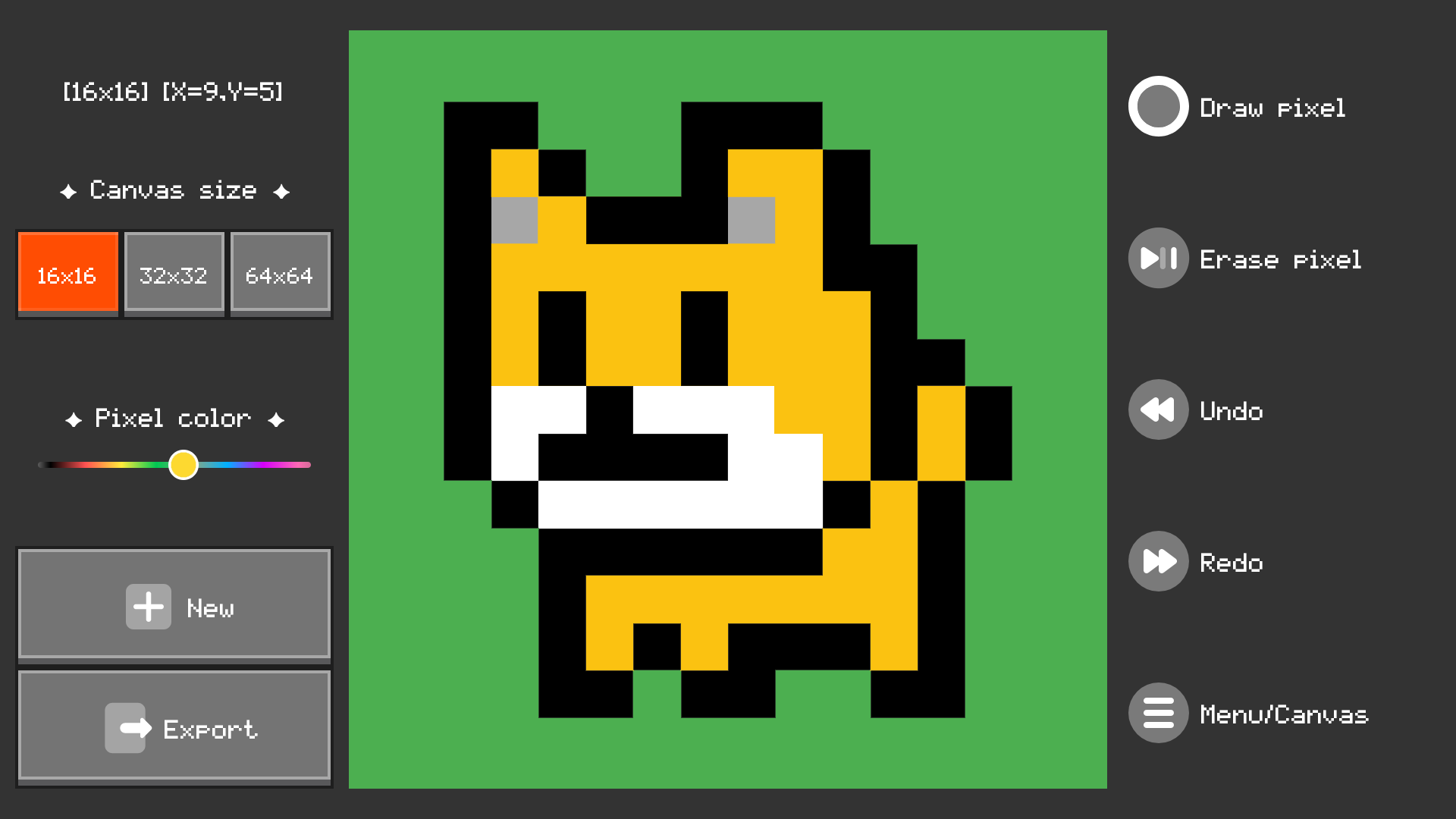
Beyond raw sprites, certain software tools and reference books streamline the creation and integration process. Investing in specialized asset management software or detailed animation guides can significantly improve workflow efficiency. These resources help maintain consistency across large sprite sheets and complex character interactions.

As an Amazon Associate, we may earn from qualifying purchases.
Choosing the right format
The file format you select dictates how your sprites behave in the engine. For character icons and UI elements, Scalable Vector Graphics (SVG) are the modern standard. Vectors use mathematical paths rather than pixels, allowing them to scale to any resolution without losing sharpness. This is essential for high-DPI displays where raster images often appear blurry or jagged. Platforms like Game-icons.net host thousands of free SVG icons that remain crisp at 16x16 or 512x512 pixels.
However, SVG is not a universal solution for all game assets. Complex character sprites with hundreds of unique colors and gradients often perform better as PNGs. Raster formats handle complex alpha transparency and color depth more efficiently in many rendering pipelines. If your art style relies on hand-painted textures or pixel art with specific anti-aliasing, PNG preserves the exact visual intent of the artist.
Resolution strategy depends on your target platform. Mobile games often require multiple sprite sheets (1x, 2x, 3x) to ensure clarity on Retina displays, while PC games can often get away with a single high-resolution sheet. Always check your engine’s documentation regarding texture compression, as this can significantly impact load times and memory usage.
Licensing and usage rights
Before integrating sprite packs into your commercial project, you must distinguish between free and premium assets. Free resources, such as those on game-icons.net, often operate under Creative Commons licenses. These typically require attribution, meaning you must credit the original creator in your game’s documentation or credits screen. Failure to provide proper attribution can lead to legal disputes or takedowns.
Premium assets from marketplaces like The Noun Project usually offer broader rights, including commercial use without mandatory attribution. However, these licenses are rarely unlimited. You must verify whether the license covers the number of end-users, merchandise sales, or digital downloads. Many premium packs restrict resale; you cannot buy a sprite sheet and resell it as a standalone asset library.
When in doubt, contact the asset creator directly. Clear, documented permission protects your studio’s reputation and ensures your game can be published without legal hurdles.
No comments yet. Be the first to share your thoughts!