
Why premium sprite packs matter
Building a game from scratch requires more than just coding and design; it demands consistent, high-quality visual assets. While free resources exist on platforms like itch.io and Game Art 2D, they often lack the polish required for a professional product. Premium sprite packs from sources like CraftPix or the Unity Asset Store provide pre-animated, cohesive character sets that maintain visual consistency across every frame.
The primary value lies in time savings. Creating a single character with idle, walk, and attack animations from scratch can take days. A premium pack delivers these sequences ready for implementation, allowing you to focus on gameplay mechanics rather than pixel-by-pixel animation. This efficiency is critical for indie developers working with tight deadlines and limited budgets.
Beyond speed, premium assets offer reliability. Free assets often come with inconsistent art styles or limited animation frames, which can break immersion. Premium packs are designed to work together, ensuring that your protagonist, enemies, and NPCs share a unified aesthetic. This cohesion elevates the perceived quality of your game, making it look polished even with a small team.
Top character sprite pack picks
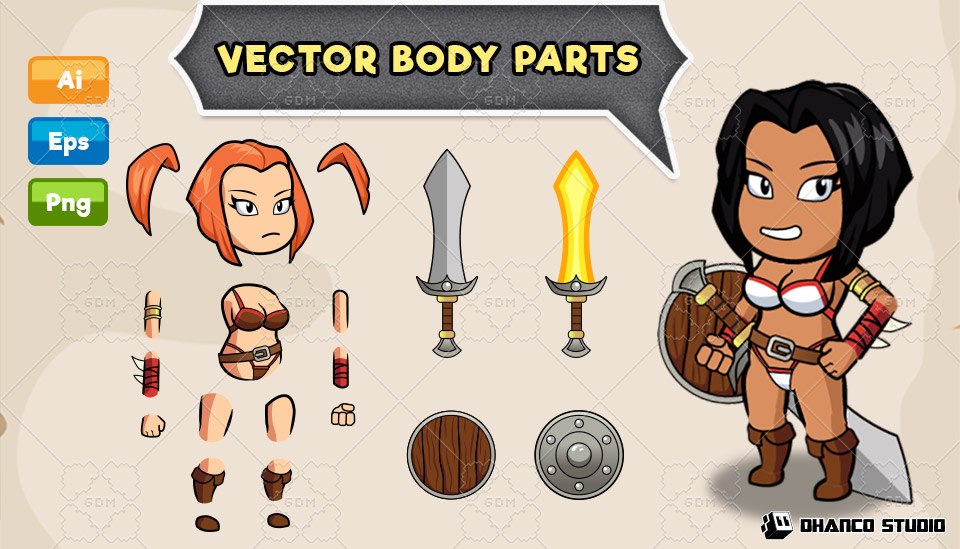
Selecting the right sprite pack is less about finding the cheapest option and more about matching the asset’s technical structure to your game’s specific needs. A premium pack should offer clean, modular anatomy and consistent lighting that integrates seamlessly with your engine’s rendering pipeline. Below are four distinct recommendations that prioritize utility, variety, and production-ready quality for indie developers.
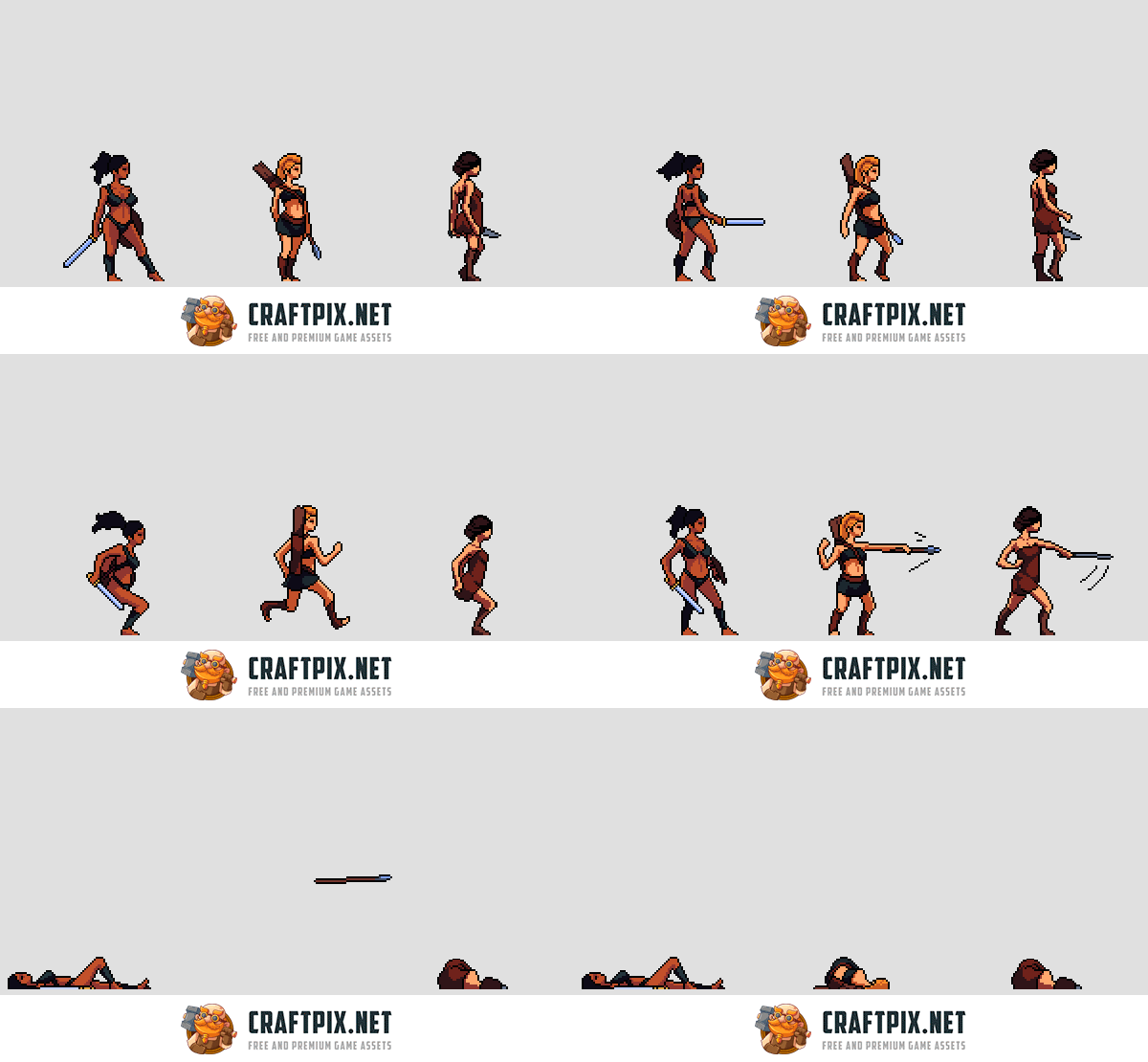
Pixel Fantasy RPG Characters
This pack is a staple for developers building traditional 2D RPGs or platformers. It features a comprehensive set of character sprites with multiple directional views and animation frames for walking, attacking, and idle states. The pixel art style is crisp and scalable, making it suitable for both retro-inspired and modern indie titles. The assets are organized in a way that minimizes the effort required to rig characters for animation, saving significant time in the prototyping phase.
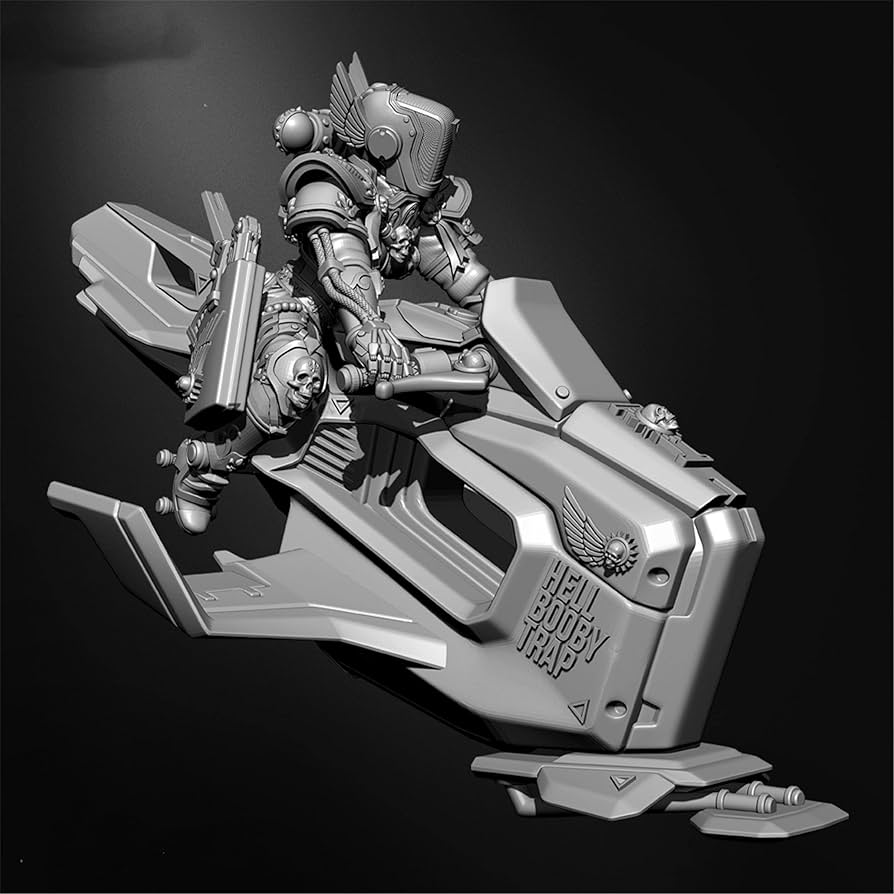
Sci-Fi Space Pilot Sprite Sheet
For games set in futuristic or space-themed environments, this pack provides high-fidelity character designs with detailed armor and equipment. The sprites are designed with a cohesive color palette that supports various lighting conditions, ensuring the characters remain readable against complex backgrounds. The inclusion of modular gear pieces allows for minor customization without requiring external editing software, which is particularly useful for games with character progression systems.
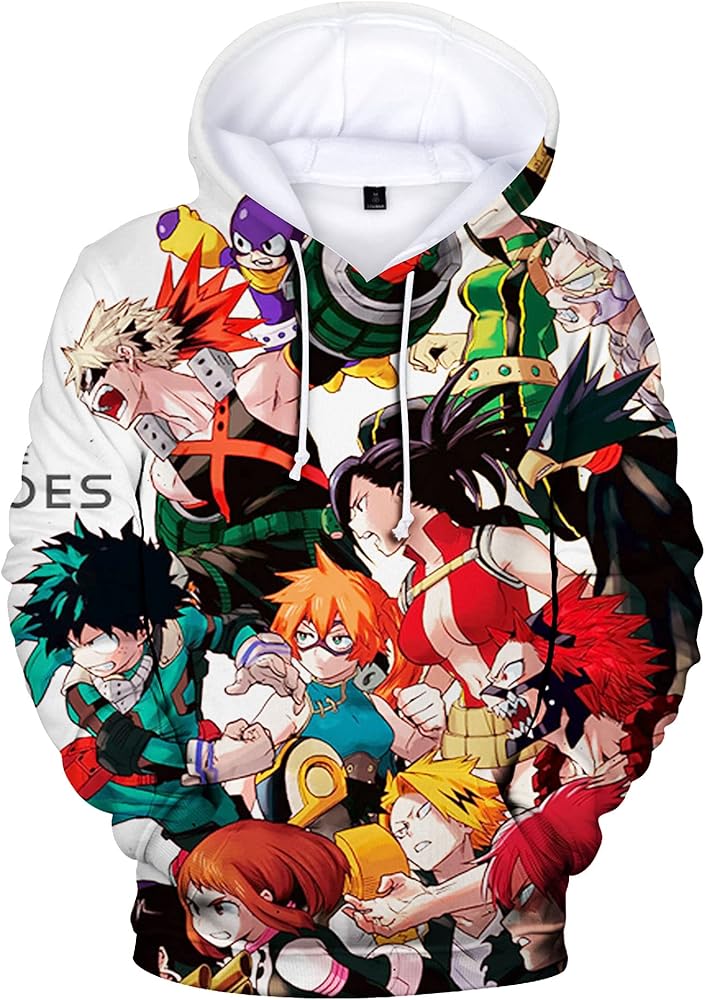
Stylized Casual Hero Collection
This collection focuses on broad appeal with vibrant, clean lines and exaggerated proportions typical of casual mobile games. The characters are designed to be instantly recognizable, with distinct silhouettes that help players identify allies and enemies at a glance. The animation frames are optimized for performance, featuring fewer intermediate steps than high-fidelity packs, which helps maintain smooth frame rates on lower-end devices. This is an ideal choice for developers prioritizing visual clarity and accessibility.
Realistic Human Character Pack
Targeting developers who need grounded, realistic human sprites, this pack offers detailed facial expressions and clothing variations. The art style leans towards semi-realism, balancing detail with readability. It includes a wide range of base poses and interaction states, making it versatile for narrative-driven games or simulation titles. The assets are provided in a format that supports easy integration with popular 2D animation tools, reducing the friction between asset acquisition and implementation.
As an Amazon Associate, we may earn from qualifying purchases.
Comparing key features
Picking the right sprite pack means looking past the artwork to the technical specs that dictate how much work you actually have to do. Three factors usually determine whether a pack is a time-saver or a bottleneck: animation frame count, resolution flexibility, and licensing terms. A pack with more frames per action feels smoother but increases your file size. Higher resolution assets scale better for modern displays but require more careful optimization. Licensing terms dictate whether you can use the assets in commercial projects without legal headaches.
The table below compares three popular premium options found on major marketplaces. These selections represent distinct approaches to character design, ranging from highly modular systems to complete, ready-to-use character sets.
| Product | Animation Frames | Resolution | License Type |
|---|---|---|---|
| CraftPix RPG Hero Pack | 40+ per action | 128x128 to 512x512 | Personal & Commercial |
| Unity 2D Character Pack | 20-30 per action | Vector-based SVG | Unity Asset Store EULA |
| Indie Platformer Sprites | 15-20 per action | 64x64 fixed | CC-BY 4.0 with Attribution |
Where to find game assets
The best premium character sprite packs are concentrated in specialized marketplaces that prioritize quality control and developer support. Instead of searching general web results, indie developers should focus on platforms that curate assets for specific game engines and art styles.
The Unity Asset Store offers a vast library of 2D characters, ranging from humans and creatures to robots. The platform integrates directly with the Unity Editor, allowing for immediate preview and import. This ecosystem ensures that most assets are compatible with current Unity versions and include necessary documentation. CraftPix.net specializes in high-quality 2D sprites for arcade, platformer, and RPG games. Their collections are organized by style and theme, making it easier to find cohesive sets for a single project.
itch.io provides a mix of free and premium assets, often created by independent artists. The platform supports direct downloads and offers a wide variety of experimental styles. Game Art 2D focuses on completely free assets, which can be useful for prototyping or budget-conscious projects. While these free resources are valuable, premium packs on dedicated stores typically offer better animation consistency and technical support.

As an Amazon Associate, we may earn from qualifying purchases.
Common sprite pack: what to check next
Before integrating premium assets into your project, it helps to understand how licensing and engine compatibility affect your workflow. Most premium packs from vendors like CraftPix or the Unity Asset Store operate on a standard model: you buy a license for a specific project, and the assets are ready to use without ongoing royalties. This structure allows indie developers to focus on gameplay rather than legal complications.
Can I use premium sprites in multiple games?
Licensing terms vary significantly between creators. Some packs are tied to a single project, meaning you must purchase a new license for every distinct game you release. Others offer extended licenses that allow use across multiple titles for a higher upfront cost. Always check the specific terms on the store page before buying. For example, assets on the Unity Asset Store often include a standard license that covers commercial use within Unity projects, but redistribution of the raw files is strictly prohibited.
Are sprite packs compatible with all game engines?
Most high-quality sprite packs are engine-agnostic because they are delivered as standard image files like PNGs or sprite sheets. This means you can use them in Unity, Godot, GameMaker, or even web-based frameworks. The primary technical consideration is how your engine handles animation. If a pack comes with a JSON file defining frame data (like those from Spine or DragonBones), you will need a plugin or engine support for that specific format. Otherwise, you can manually import the sheets into your engine of choice.
Do I need to credit the artist if I use premium sprites?
In most cases, no. When you purchase a premium pack, the license typically grants you the right to use the assets without attribution. This is a key benefit of paying for quality over using free assets, which often require strict Creative Commons attribution. However, you should always verify the specific license agreement included with your download. Some authors may request a link in your game’s credits as a courtesy, but this is rarely a legal requirement for standard commercial licenses.
No comments yet. Be the first to share your thoughts!