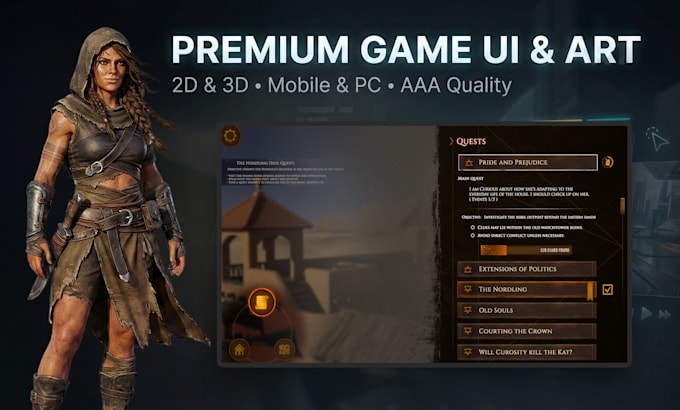

Why premium game graphics matter now
High-quality visual assets are no longer the exclusive domain of AAA studios. In today’s saturated market, premium game graphics serve as the primary hook for player attention. A polished visual style signals professionalism and care, instantly elevating an indie title above the noise of lower-fidelity prototypes.
Players often judge a game’s quality within seconds of seeing its trailer or store page. Striking visuals create an immediate emotional connection, suggesting a deeper, more immersive experience. This visual-first approach is critical for visibility; even the most innovative gameplay mechanics struggle to gain traction if the presentation feels dated or unrefined.
The gap between indie and AAA visual fidelity has narrowed significantly. Tools like Unreal Engine 5 and advanced Unity shaders allow smaller teams to achieve cinematic lighting, detailed textures, and realistic physics. Games like Black Myth: Wukong demonstrate how premium graphics can drive massive interest, proving that visual excellence is a viable strategy for independent developers.

Top premium game graphics styles in 2026
The visual landscape for indie developers is no longer defined by hardware limitations but by deliberate aesthetic choices. In 2026, premium game graphics prioritize distinct identity over raw polygon counts. The most successful indie titles use specific visual categories to establish mood, guide player attention, and differentiate themselves in a crowded market.
Three visual styles currently dominate the premium space: stylized realism, vibrant 2D, and retro-modern. Each style offers a different path to high-fidelity presentation, allowing developers to balance artistic ambition with technical feasibility.
Top 3 Premium Visual Styles
-
Stylized Realism
This style blends realistic lighting, textures, and physics with non-photorealistic character models or environmental abstraction. It achieves a cinematic look without the cost of full photogrammetry. Titles like "Black Myth: Wukong" demonstrate how Unreal Engine 5 can create grounded yet heightened worlds that feel tangible but distinct from reality. -
Vibrant 2D
Modern 2D graphics have evolved beyond flat sprites. Contemporary 2D games use layered parallax, dynamic lighting effects, and hand-painted textures to create depth and atmosphere. This style remains highly effective for narrative-driven indie games, offering a clean, readable visual language that stands out against 3D clutter. -
Retro-Modern
Retro-modern aesthetics reinterpret pixel art or low-poly models with contemporary lighting, particle effects, and post-processing. This approach leverages nostalgia while delivering the polish players expect today. It allows small teams to create visually striking environments using assets that are faster to produce and optimize.

Essential assets for cohesive identity
A premium visual identity in indie development relies on the precise alignment of three core components: character sprites, environmental icons, and user interface elements. When these assets share a consistent language of shape, color, and detail, the game feels unified rather than assembled from disparate parts. This cohesion allows players to intuitively understand the game world without explicit instruction.
Character sprites serve as the primary emotional anchor. High-quality sprites require careful attention to proportion and animation fluidity. A well-drawn character sheet should convey personality through silhouette and color palette alone, ensuring readability even in fast-paced combat or exploration scenarios.
Icons and UI elements act as the bridge between the player and the game mechanics. They must be legible at small sizes while maintaining the artistic style of the main characters. A consistent icon set—using the same line weight, corner radius, and shading technique—creates a subtle sense of professionalism that elevates the entire experience.
The following image illustrates the importance of visual consistency in asset design.

When these three pillars—sprites, icons, and UI—are treated as a single system, the result is a premium game graphics package that stands out in a crowded market. This approach minimizes visual noise and maximizes player immersion, turning individual assets into a compelling visual narrative.
Where to find game development resources
Building premium visuals requires access to high-fidelity assets that go beyond basic placeholders. Indie developers can source professional-grade textures, 3D models, and shader packs from established digital marketplaces. These platforms curate content to ensure technical compatibility with major engines like Unity and Unreal Engine, saving time on asset validation.
The visual quality of your game often hinges on the consistency of these purchased resources. Instead of creating every prop from scratch, developers can integrate pre-made environmental kits that match specific aesthetic styles, such as low-poly or photorealistic. This approach allows small teams to maintain a cohesive visual language without expanding their art staff.
When selecting resources, prioritize marketplaces that offer clear licensing terms and regular updates. Reliable sources provide documentation on texture resolution, polygon counts, and engine compatibility. This transparency ensures that assets integrate smoothly into your pipeline, reducing technical debt during the production phase.
For those who prefer physical references or comprehensive guides, Amazon offers a selection of books and asset bundles. These resources can provide foundational knowledge on visual design principles or direct access to curated content libraries. Reviewing community feedback on these products helps identify which tools deliver the best value for indie budgets.

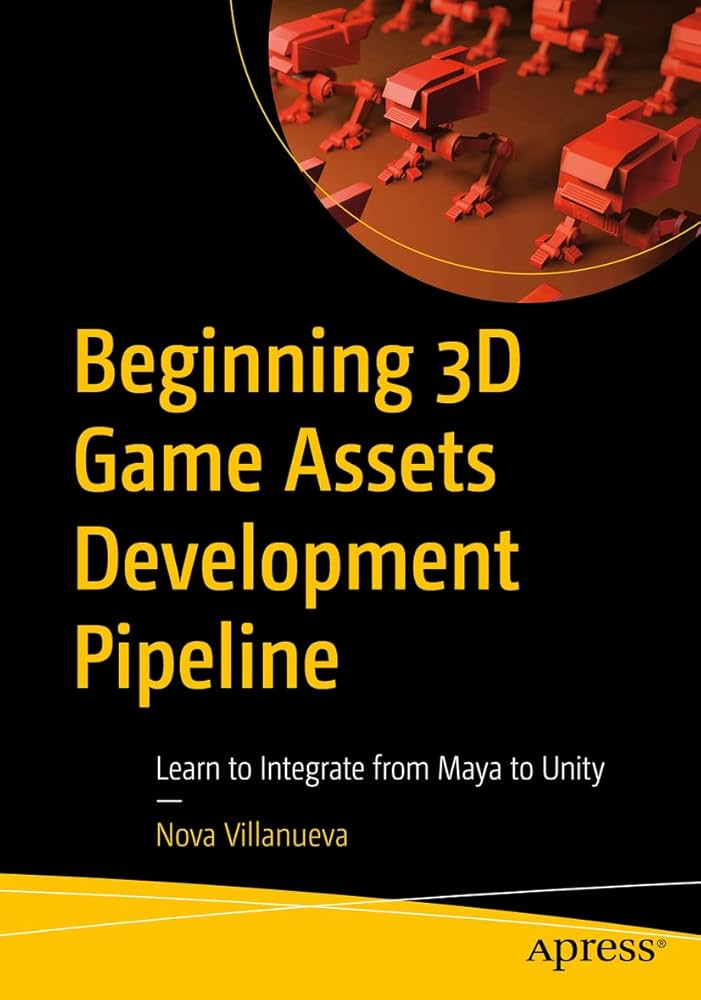

As an Amazon Associate, we may earn from qualifying purchases.
Common questions about game graphics
Indie developers often look to AAA titles to understand what "premium" looks like in practice. While you cannot replicate a $200 million budget, studying the visual strategies of top-tier games provides a clear roadmap for asset selection and rendering techniques.
No comments yet. Be the first to share your thoughts!