
Game Asset Marketplaces: The 2026 Shift
The game asset market is growing. Indie game development is booming, and the demand for better graphics means more need for quality assets. Remote work also means studios are using external resources to speed up development. The market in 2026 is more diverse and competitive than before.
AI asset creation tools are changing things. They can't replace artists yet, but they affect how people work and what they expect. Marketplaces are adding AI features for customization or focusing on human-created content. This makes things complicated for developers.
Quality is key. Too many AI assets could flood the market, so developers want well-made assets with clear licenses. Clear licenses prevent legal problems. Marketplaces that focus on quality and transparency will do well.
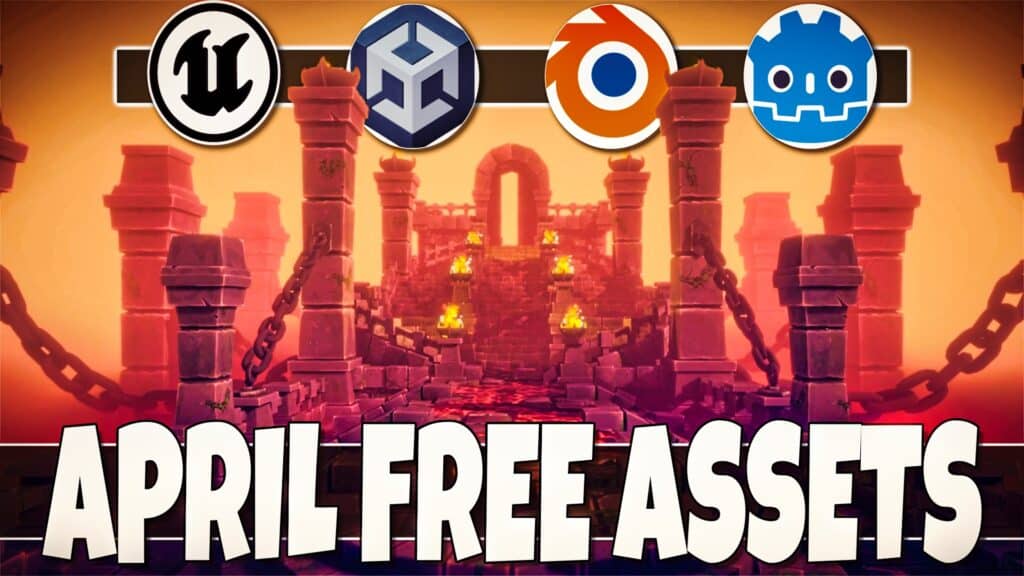
The Top 15 Marketplaces Ranked
Ranking game asset marketplaces is difficult because the "best" depends on your project, budget, and style. Based on asset quality, price, licensing, ease of use, and developer feedback from places like Reddit's r/gamedev and Unity forums, here are 15 top marketplaces as of late 2026.
1. Unity Asset Store: Still the top choice for Unity developers, with the largest selection and a strong ecosystem. Quality control can be uneven. Prices range from free to hundreds of dollars. Licenses are usually clear, but always double-check.
2. Unreal Engine Marketplace: A close competitor to the Unity Asset Store, focusing on assets for Unreal Engine. It's known for high-quality environments and characters. Pricing is similar to Unity, with frequent marketplace events and discounts.
3. Sketchfab Store: A good choice for 3D models, especially for web games or AR/VR. It supports many file formats and licenses. Their viewer lets you preview assets well before buying.
4. CGTrader: Another large marketplace for 3D models, serving a wider audience including film and animation. Quality varies, so inspect assets carefully. It offers standard and exclusive licenses.
5. TurboSquid: A long-time player in the 3D model market, known for professional assets and detailed descriptions. It's usually more expensive than other marketplaces.
6. itch.io (Game Assets): A good place for indie developers and experimental projects. It has a mix of free and paid assets, often in pixel art and retro styles. Licenses are usually more flexible than on bigger marketplaces.
7. GameDev Market: Focuses on assets for indie game developers, offering a curated selection of 2D and 3D assets that are affordable and easy to use. They have a good reputation for customer support.
8. CraftPix.net: Focuses on 2D game assets, especially game kits. The assets have a consistent style and quality, making it easy to build cohesive game worlds. We'll cover this more below.
9. Envato Elements: A subscription service with unlimited downloads of many digital assets, including game assets. It's a good value if you need a lot of assets.
10. Humble Bundle Asset Collections: Often offers game asset bundles at discount prices. It's a great way to get many assets on a tight budget. Bundles are only available for a limited time.
11. ArtStation Marketplace: Growing in popularity with professional artists. It offers high-quality 3D models, textures, and materials. Prices are usually higher than on other marketplaces.
12. Cubebrush: Focuses on digital art assets like textures, brushes, and tutorials. It's useful if you want to create or customize your own assets.
13. Polyhaven (formerly HDRI Haven): Focuses on high-quality HDRIs and textures, which are important for realistic lighting and materials.
14. OpenGameArt.org: A place for free and open-source game assets. Quality varies, but it's a good resource for developers on a tight budget.
15. Blendermarket: Mainly for Blender assets, but many can be used in other game engines. It offers many 3D models, materials, and add-ons.
Top 8 Gaming Asset Marketplaces: A Comparative Overview (2026)
| Marketplace | Asset Quality | Pricing | Licensing | Asset Variety | Developer Support |
|---|---|---|---|---|---|
| Unity Asset Store | High | Moderate to High | Standard | Broad | Excellent |
| Unreal Engine Marketplace | High | Moderate to High | Standard | Broad | Excellent |
| GameDev Market | Medium to High | Low to Moderate | Standard | Niche (Indie Focused) | Good |
| itch.io (Game Assets) | Variable | Free to Moderate | Permissive | Broad, leaning Indie | Limited |
| Sketchfab Store | Medium to High (3D Focus) | Moderate | Variable | Niche (3D Models) | Good |
| TurboSquid | High (3D Focus) | High | Standard | Niche (3D Models) | Limited |
| CGTrader | Medium to High (3D Focus) | Moderate to High | Variable | Niche (3D Models) | Good |
| Humble Bundle Asset Collections | Variable | Low | Standard | Broad, often themed | Limited |
Qualitative comparison based on the article research brief. Confirm current product details in the official docs before making implementation choices.
CraftPix.net and the Rise of Specialized Kits
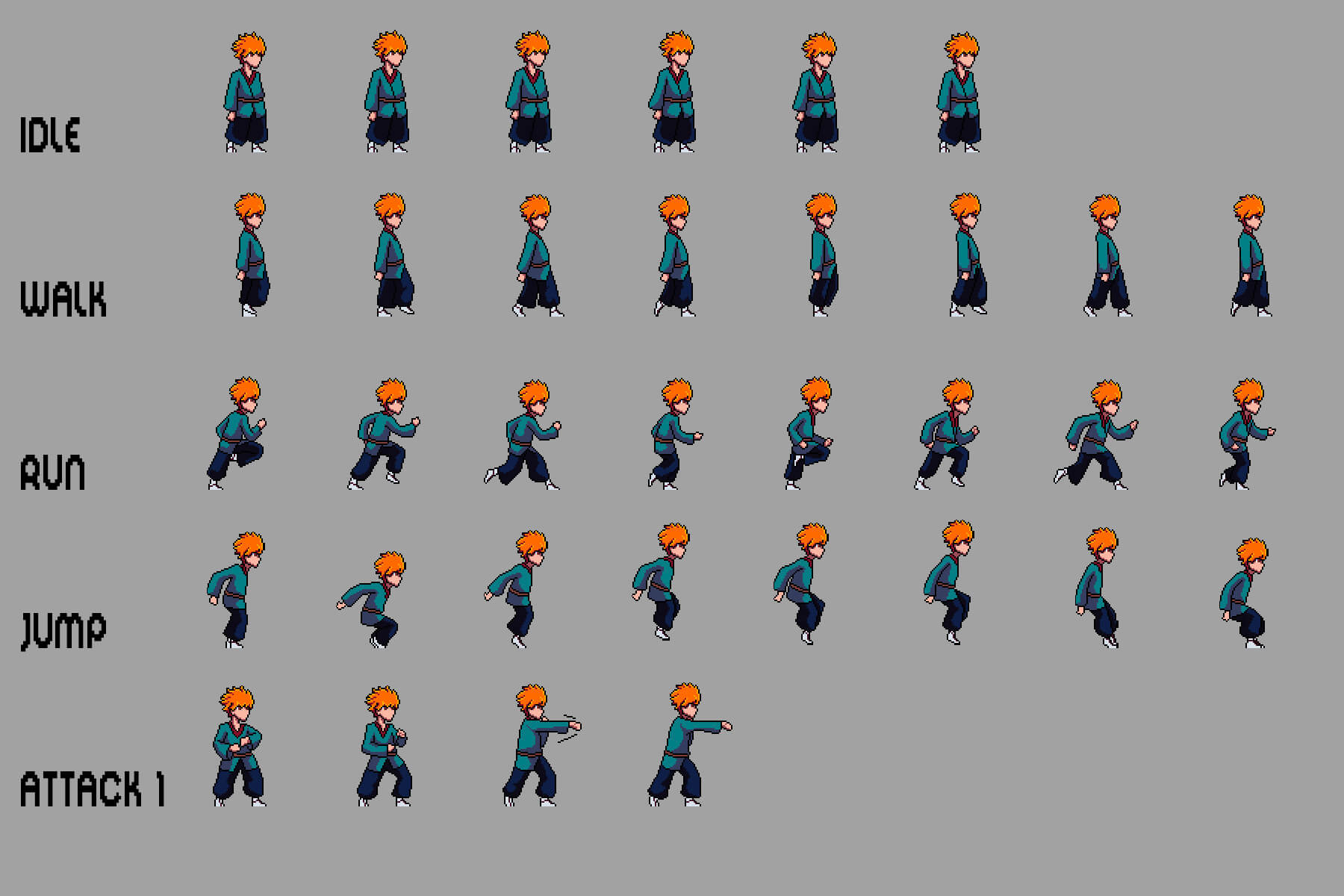
CraftPix.net focuses on high-quality 2D game kits. These kits include sprites, tilesets, and backgrounds meant to be used together for a cohesive game world. This helps with rapid prototyping, letting developers quickly build levels and characters without starting from scratch.
CraftPix.net's assets are consistently good, with a distinct art style that works well for platformers, RPGs, and top-down adventure games. Assets are organized and easy to use in game engines like Unity and GameMaker Studio 2. They offer both paid kits and free assets, making it accessible to all budgets.
CraftPix.net also has membership options for exclusive assets and discounts. This can save money if you use their assets often. The kits are usually optimized for performance, which is important for mobile games and other platforms with limited resources.
GameDev Market: Indie Focus and Community
GameDev Market positions itself as a resource specifically for indie game developers. They offer a wide range of assets, including 2D and 3D backgrounds, characters, objects, and textures, all at relatively affordable prices. Their catalog isn't as massive as the Unity or Unreal marketplaces, but the curated selection helps developers find what they need more easily.
A key strength of GameDev Market is its emphasis on community. While they don’t have a highly visible, centralized forum, developers frequently discuss assets and provide feedback in the comment sections of individual products. There’s also a noticeable presence on Discord channels related to indie game development where GameDev Market assets are discussed.
The assets themselves are generally of good quality, though they tend to be more geared towards simpler game styles. It’s a good place to find assets for prototypes or smaller-scale projects. Their licensing terms are clear and concise, making it easy for developers to understand their rights and obligations.
Asset Licensing: What You Need to Know
Understanding asset licenses is crucial to avoid legal trouble. Several common types exist, each with its own set of rules. Royalty-free licenses allow you to use the asset in commercial projects without paying ongoing royalties, but may restrict modification or redistribution. Creative Commons licenses offer varying levels of freedom, from allowing any use with attribution to requiring the derivative work to be licensed under the same terms.
EULAs (End User License Agreements) are typically the most restrictive, outlining specific terms for use and often prohibiting modification or resale. Always read the EULA carefully before purchasing an asset. Some marketplaces offer extended licenses for projects with higher revenue or broader distribution.
Potential pitfalls include using assets with unclear licensing terms, failing to attribute the original creator when required, or violating restrictions on modification or redistribution. To avoid issues, always keep records of your purchases and licenses, and carefully review the terms before using an asset in your project.
Here’s a quick checklist for ensuring compliance:
- Verify the license type: Understand what you’re allowed to do with the asset.
- Check for restrictions: Are there limitations on modification, redistribution, or commercial use?
- Keep records: Save your purchase receipts and license agreements.
- Attribute when required: Provide proper credit to the original creator.
- Review EULAs carefully: Pay attention to the fine print.
Beyond the Big Names: Emerging Marketplaces
While the established marketplaces dominate, several smaller platforms are gaining traction. Synty Studios specializes in low-poly 3D assets, perfect for stylized games and rapid prototyping. Their assets are consistently high-quality and optimized for performance. Vectorians focuses on vector graphics, offering scalable assets for 2D games and UI design.
Asset Forge is a unique platform that allows developers to create their own 3D assets using a block-based editor. It’s a good option for developers who want to create custom assets without needing advanced modeling skills. Final-Sky offers a curated selection of high-quality 3D assets, with a focus on environments and props.
These emerging marketplaces often offer a more focused selection of assets, catering to specific art styles or game genres. They can be a valuable resource for developers looking for something unique or niche. They also tend to foster a stronger sense of community, with more direct interaction between developers and asset creators.
Amazon's Entry: A New Contender?
Amazon is making increasing inroads into the game asset space, leveraging its vast reach and established infrastructure. Their Amazon GameLift service already provides game server hosting, and they’re now offering a growing catalog of game assets through Amazon Luna and other initiatives. The initial selection is still relatively limited compared to the established marketplaces, but it’s expanding rapidly.
Amazon’s strengths include its brand recognition, established payment processing system, and potential for integration with other Amazon services. However, it lacks the specialization and dedicated community of the existing marketplaces. There’s also the potential for competition with Amazon Game Studios, which could create conflicts of interest.
Examples of Amazon’s offerings include pre-made game environments available through the AWS Marketplace. While not directly marketed as “game assets,” tools like Amazon CodeWhisperer (an AI coding companion) can assist in asset integration and development. It remains to be seen whether Amazon will become a major player in the game asset market, but its entry is certainly worth watching.
- Amazon Luna Game Assets: Limited selection of pre-made environments.
- AWS Marketplace: Tools and services for game development, including some asset-related offerings.
- Amazon CodeWhisperer: AI coding companion for asset integration.
Essential Tools for Game Asset Acquisition in 2026
Access to a curated selection of premium assets · Includes advanced tools and plugins · Streamlines asset integration into Unity projects
The Unity Asset Store Pro subscription provides developers with direct access to a wide range of high-quality assets and tools, facilitating the integration of premium graphics into Unity projects.

Utilizes Unreal Engine 5's advanced geometry tools · Focuses on professional game development workflows · Aims to enhance artistry and asset creation efficiency
This resource leverages Unreal Engine 5's robust geometry tools to empower developers in creating professional-grade game assets and enhancing their artistic output.

Professional-grade drawing tablet with pressure-sensitive pen · Bluetooth connectivity for wireless operation · Compatible with both Mac and Windows operating systems
The Wacom Intuos Pro Medium offers precise control and a natural drawing experience, essential for artists creating and refining detailed 3D game assets.

Comprehensive guide to 3D modeling fundamentals · Covers shading and animation workflows · Specifically tailored for Blender 4.5 LTS
This guide serves as a foundational resource for aspiring 3D artists, detailing essential workflows in Blender for creating and preparing game assets.

Explores material and texture creation with Substance 3D Painter · Covers procedural material design in Substance 3D Designer · Includes workflows for 3D model creation and presentation in Stager
This product provides a comprehensive understanding of the Adobe Substance 3D suite, enabling the creation of realistic and high-quality materials and textures for game assets.
As an Amazon Associate I earn from qualifying purchases. Prices may vary.
Future Trends: AI and Marketplace Evolution
AI-powered asset creation tools are poised to significantly impact the marketplace landscape. We’re already seeing tools that can generate textures, create 3D models from text prompts, and upscale existing assets. This trend will likely accelerate in the coming years, leading to a proliferation of AI-generated content.
Marketplaces will need to adapt to this new reality. Some may choose to integrate AI tools directly into their platforms, allowing developers to customize or generate assets on demand. Others may focus on curating high-quality, human-created assets, emphasizing originality and artistic value. A hybrid approach is also possible, combining AI-assisted tools with human curation.
Asset licensing will also evolve. The question of ownership and copyright for AI-generated assets is a complex one. We may see the emergence of new licensing models that address these challenges. Ultimately, the future of the game asset marketplace will depend on how well it can balance the benefits of AI with the need for quality, creativity, and legal clarity.


No comments yet. Be the first to share your thoughts!