
The shift toward player-owned assets
The explosion of interest in Web3 gaming isn't just about blockchain technology; it’s about a fundamental shift in how players relate to the games they play. Players now desire genuine ownership of in-game items, and that means a massive need for unique, high-quality assets. This demand extends beyond simple cosmetic items to encompass everything from character sprites to interface icons.
Traditional game art pipelines often treat assets as the property of the game developer. Web3 flips that on its head. NFT-based ownership means players want – and expect – assets that are provably rare and genuinely theirs. This drives a need for more sophisticated asset creation, emphasizing artistry and verifiable scarcity. It’s a new creative economy unfolding, and it’s hungry for content.
Newzoo projects the blockchain games market will generate $2.8 billion in revenue by the end of 2024. As more money flows into these ecosystems, the demand for custom art increases. This isn't a temporary trend; it is a growing market for artists who can build for specific chain constraints.
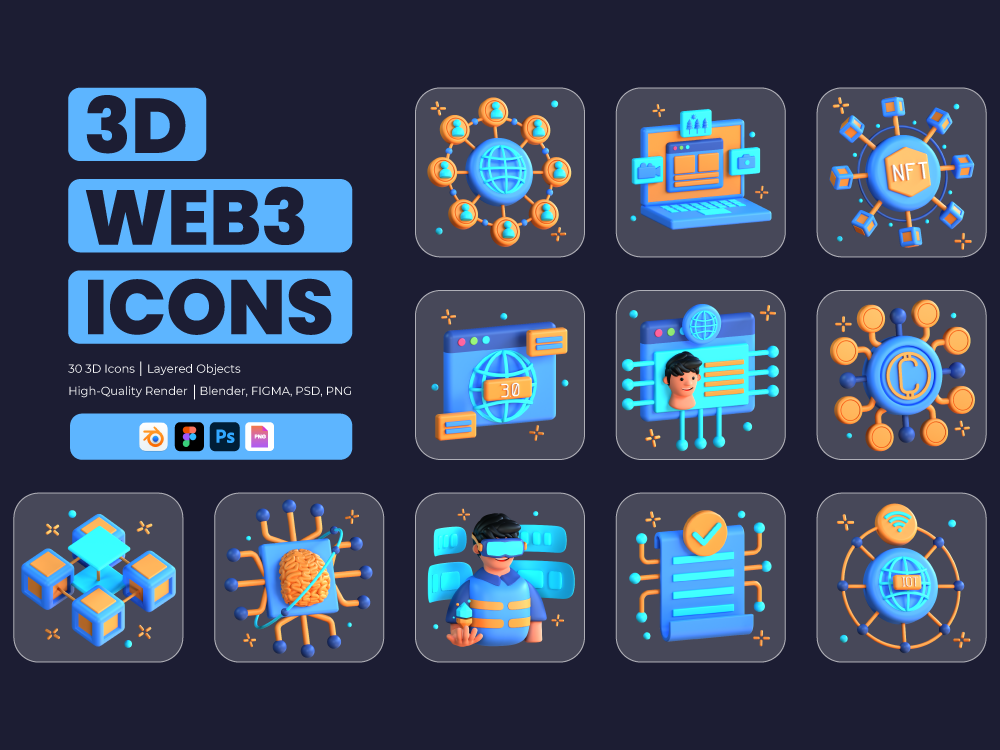
Visual styles in blockchain games
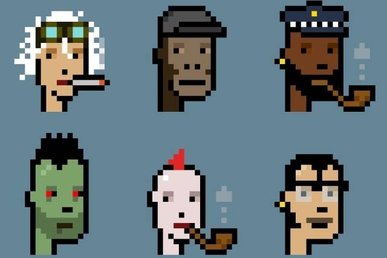
When looking at current Web3 games, several distinct visual styles dominate. Pixel art, heavily influenced by retro RPGs like the early Final Fantasy games, remains incredibly popular. It’s relatively inexpensive to produce and evokes a sense of nostalgia. Then you have stylized 3D, exemplified by games like Axie Infinity, which aims for a cuter, more approachable aesthetic.
Futuristic and cyberpunk styles are also common, drawing inspiration from franchises like Cyberpunk 2077 and Deus Ex. These styles often feature neon colors, intricate details, and a focus on technology. Fantasy remains a strong contender, with games leaning into classic tropes of elves, dragons, and magic. Finally, a minimalist aesthetic is emerging, prioritizing clarity and simplicity.
Each style has specific constraints. Pixel art relies on tight color palettes to keep file sizes low, which is vital when on-chain storage costs are high. 3D models need aggressive optimization for the same reason. While pixel art is the current standard for indie projects, larger studios are moving toward high-fidelity 3D as scaling solutions make larger assets cheaper to deploy.
Character sprites as functional tools
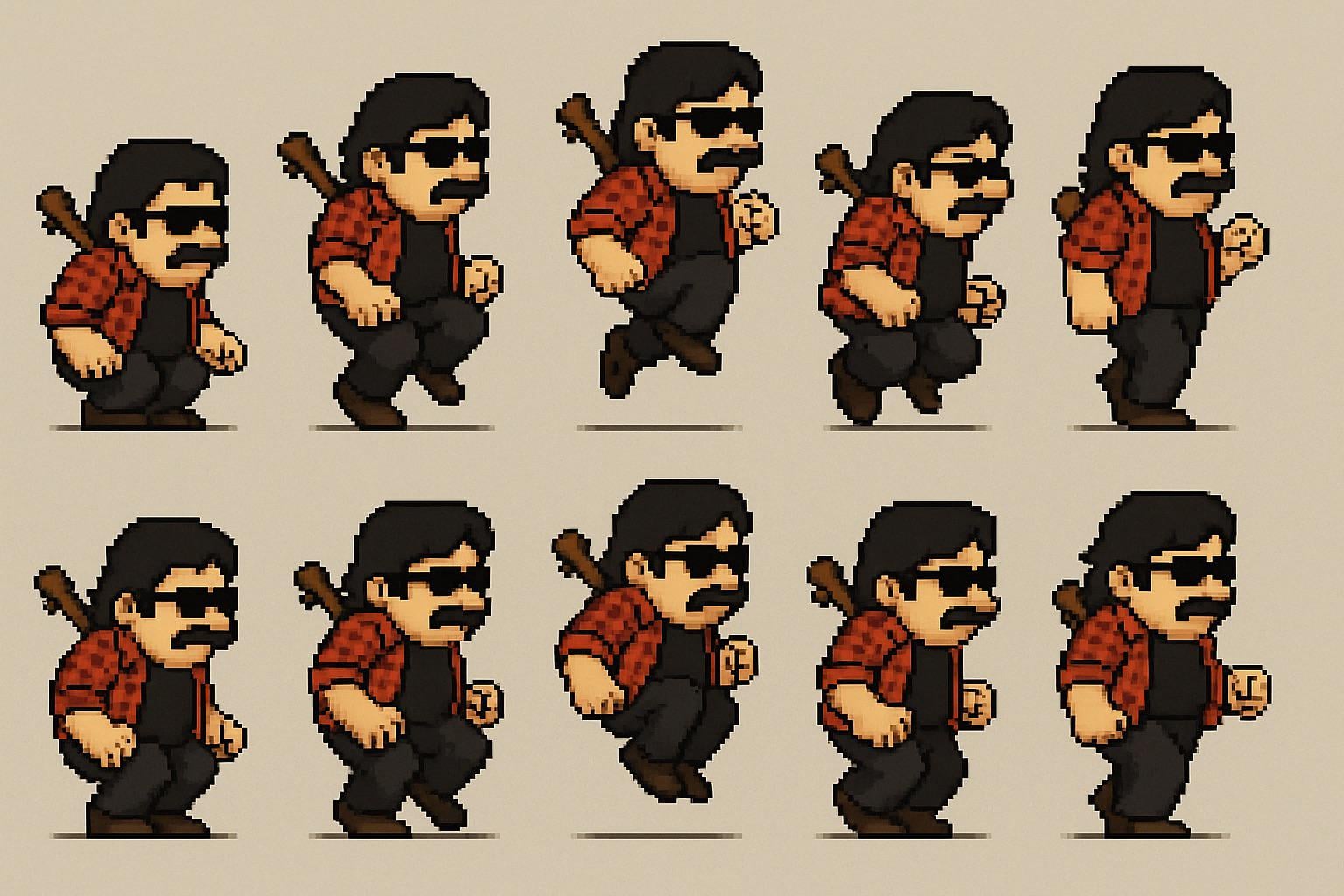
Character sprites used as NFTs are far more than just profile pictures. They’re often integral to gameplay, representing players within the game world. This means the quality and uniqueness of these sprites are paramount. Rarity traits are a huge driver of value. A sprite with a rare hat or weapon will naturally command a higher price on the secondary market.
Procedural generation is becoming increasingly common. Developers use algorithms to create variations of base sprites, ensuring a wide range of unique characters. However, this also presents challenges in maintaining visual consistency and avoiding unappealing combinations. Ensuring uniqueness is key, but avoiding copyright infringement is also vital. Developers need to be careful not to create sprites that are too similar to existing intellectual property.
Metadata plays a critical role in defining character attributes. This data, stored on the blockchain alongside the sprite, can specify things like strength, agility, and special abilities. Projects like CryptoKitties pioneered this approach, and it’s now standard practice. The metadata allows for dynamic gameplay and adds another layer of value to the NFTs. A well-designed metadata system is just as important as the sprite itself.
Where to find high-quality graphics
Finding high-quality Web3 game icons and sprites requires exploring several options. Established NFT marketplaces like OpenSea and Magic Eden offer a vast selection, but quality control can be inconsistent. You'll need to carefully vet creators and examine the assets before making a purchase. Pricing varies wildly, depending on the artist and the rarity of the asset.
Dedicated asset stores are also emerging. Spawn Icon is a solid choice, offering curated collections of premium game graphics. Other competitors include Envato Elements and Unity Asset Store, though their Web3 offerings are still developing. The pros of dedicated stores are typically better quality control and licensing terms, but they may have a smaller selection.
When evaluating a platform, consider the licensing terms. You need to ensure you have the right to use the assets commercially in your game. Clear licensing is non-negotiable. Also, factor in transaction fees and the ease of integration with your game development pipeline. While smart contract integration is important, prioritize clarity in the licensing agreement above all else.
Formats and optimization
The technical aspects of Web3 game assets are often overlooked, but they’re crucial for performance and cost-effectiveness. PNG is a common choice for sprites due to its lossless compression, but file sizes can be large. SVG is ideal for icons, as it’s vector-based and scales without losing quality. WebP offers a good balance between compression and quality, and is gaining traction.
Optimization is essential, especially for blockchain storage. Larger files mean higher gas fees for minting and transferring NFTs. Reducing file size without sacrificing visual quality is a constant trade-off. Tools like TinyPNG and ImageOptim can help compress images without significant loss of detail. Animating sprites efficiently is also vital – minimize the number of frames and use optimized animation techniques.
Spine and DragonBones are the standard for 2D skeletal animation, while FBX remains the go-to for 3D. The choice depends on your engine's runtime support. Unity and Unreal handle these differently, so test the performance impact of bone counts before committing to a large NFT collection.
AI and dynamic assets
The future of Web3 game asset creation is likely to be heavily influenced by artificial intelligence. AI-generated art is rapidly improving, and it has the potential to revolutionize the asset creation process. Tools are emerging that can create unique sprites and icons based on text prompts, reducing the need for manual creation. However, concerns about artistic style and copyright remain.
Dynamic NFTs are another exciting trend. These assets can change based on in-game events, adding a new layer of complexity and engagement. For example, a weapon NFT might become more powerful as the player levels up, or a character sprite might change appearance based on their achievements. This requires new icon and sprite requirements – assets that can be dynamically updated on the blockchain.
These trends will create both challenges and opportunities. Developers will need to learn how to effectively integrate AI-generated art into their games and how to manage the complexities of dynamic NFTs. The cost of asset creation could decrease, but the need for skilled artists and designers will remain – particularly those who can curate and refine AI-generated content. I anticipate a significant increase in demand for artists who can work with AI, rather than being replaced by it.
File Formats for Web3 Game Assets
| Format | File Size | Animation Support | Scalability | Blockchain Suitability |
|---|---|---|---|---|
| PNG | Moderate | Moderate | Moderate | Good |
| SVG | Good | Moderate | Excellent | Good |
| WebP | Good | Moderate | Good | Moderate |
Illustrative comparison based on the article research brief. Verify current pricing, limits, and product details in the official docs before relying on it.
Copyright and ownership
Navigating the legal landscape of Web3 game assets requires caution. Copyright issues are a major concern. Using copyrighted material without permission can lead to legal repercussions. Developers need to ensure they have the right to use any assets they incorporate into their games, whether they create them themselves or purchase them from a marketplace.
Ownership rights are also complex. While NFTs represent ownership of a digital asset, the underlying intellectual property rights may still be held by the original creator. Clear licensing agreements are essential to define the scope of ownership and usage rights. It’s crucial to understand what you’re actually buying when you purchase an NFT.
The risks of using copyrighted material in NFT games are significant, ranging from cease and desist letters to lawsuits. To protect their own intellectual property, developers should register their copyrights and clearly define the licensing terms for their assets. I am not a lawyer and this is not legal advice. Always consult with an attorney specializing in intellectual property law before launching a Web3 game.
- AI-generated art often lacks clear copyright protection in many jurisdictions.
- How can developers protect their own intellectual property?
- What are the licensing terms for different NFT marketplaces?
No comments yet. Be the first to share your thoughts!