

Why premium assets matter now
High-fidelity graphics are no longer the exclusive domain of AAA studios with massive budgets. In 2026, premium visual assets serve as a critical credibility signal for indie developers. Players expect a certain baseline of polish, and high-quality rendering helps indie titles stand out in an increasingly crowded marketplace.
When an indie game features realistic lighting, detailed textures, or smooth animation, it signals professionalism. This perception directly impacts player retention. Users are more likely to invest time in a game that looks and feels cohesive. Premium assets reduce the "indie stigma" that often leads to quick dismissal, allowing the gameplay to shine.
Note: Low-quality assets can increase player acquisition costs. Players scroll past games that look outdated, making visual polish a cost-saving measure in the long run.
The barrier to entry has lowered significantly. Tools like Unreal Engine 5 and Unity’s HDRP allow smaller teams to achieve cinematic quality. Games like The Last of Us Part II and God of War Ragnarök set the visual standard, but indie titles can now emulate these techniques on a budget. Focus on specific graphic styles that fit your scope, rather than trying to replicate AAA scope entirely.
5 Premium Game Graphics Trends for Indie Developers in 2026
Indie developers can achieve premium visual fidelity in 2026 by leveraging accessible, high-impact graphic trends rather than massive budgets. Here are five specific, executable styles that elevate production value without breaking the bank.
1. Stylized Cel-Shading
Cel-shading remains a dominant trend because it offers high visual impact with relatively low rendering costs. By using custom shaders to create bold outlines and flat color gradients, indie teams can achieve a "comic book" aesthetic that feels polished and intentional. This style works exceptionally well for action-platformers and narrative-driven adventures, allowing limited animation resources to shine through strong artistic direction.
2. Dynamic Lighting with Post-Processing
Modern engines make real-time global illumination accessible to smaller teams. Instead of baking static lighting, use dynamic light sources combined with post-processing effects like bloom, ambient occlusion, and color grading. This approach adds depth and atmosphere to 2D or low-poly 3D scenes, creating a premium feel that rivals older AAA titles. Focus on mood-setting lighting rather than photorealistic accuracy.
3. High-Fidelity Particle Effects
Particle systems are the secret weapon for adding "juice" to game interactions. High-quality explosions, magic spells, and environmental effects (like rain or dust) signal high production value. Invest time in creating reusable, high-resolution particle prefabs that enhance feedback for player actions. Even simple mechanics feel premium when paired with robust, visually rich particle effects.
4. Consistent UI/UX Design
A premium game is defined by its user interface as much as its graphics. Move away from default engine UIs and design custom, thematic interfaces that match your game’s art style. Use consistent typography, color palettes, and smooth animations for menus and HUD elements. A cohesive UI reduces friction and immerses players in the world, reinforcing the perception of a polished product.
5. Optimized 3D Low-Poly with High-Res Textures
Low-poly 3D models paired with high-resolution normal maps and texture atlases offer a sweet spot for performance and aesthetics. This technique allows for smooth frame rates on lower-end hardware while maintaining visual richness. It is particularly effective for exploration games and RPGs, where you can reuse assets across diverse environments without sacrificing visual fidelity.
Choosing the right sprite pack
Selecting assets for your indie game shouldn't feel like a gamble. When you compare sprite packs side-by-side, three factors matter most: license flexibility, resolution scalability, and style consistency. A pack that looks great in a screenshot might fall apart when you try to animate a complex character or integrate it into a larger world.
The table below breaks down the most common sprite pack categories you will encounter in 2026. Use this to quickly identify which type aligns with your project's technical needs and artistic vision.
| Pack Type | License Scope | Resolution & Scale | Style Consistency |
|---|---|---|---|
| 16-bit Retro | Personal/Commercial | Fixed 16x16 or 32x32 | High pixel-art uniformity |
| Modern 2D | Royalty-free | Vector-based (infinite scale) | Flat design or cel-shaded |
| Hand-Drawn | Exclusive/Non-exclusive | Raster (300+ DPI) | Organic, artistic variance |
| Isometric 3D | Creative Commons | Fixed perspective | Technical, grid-aligned |
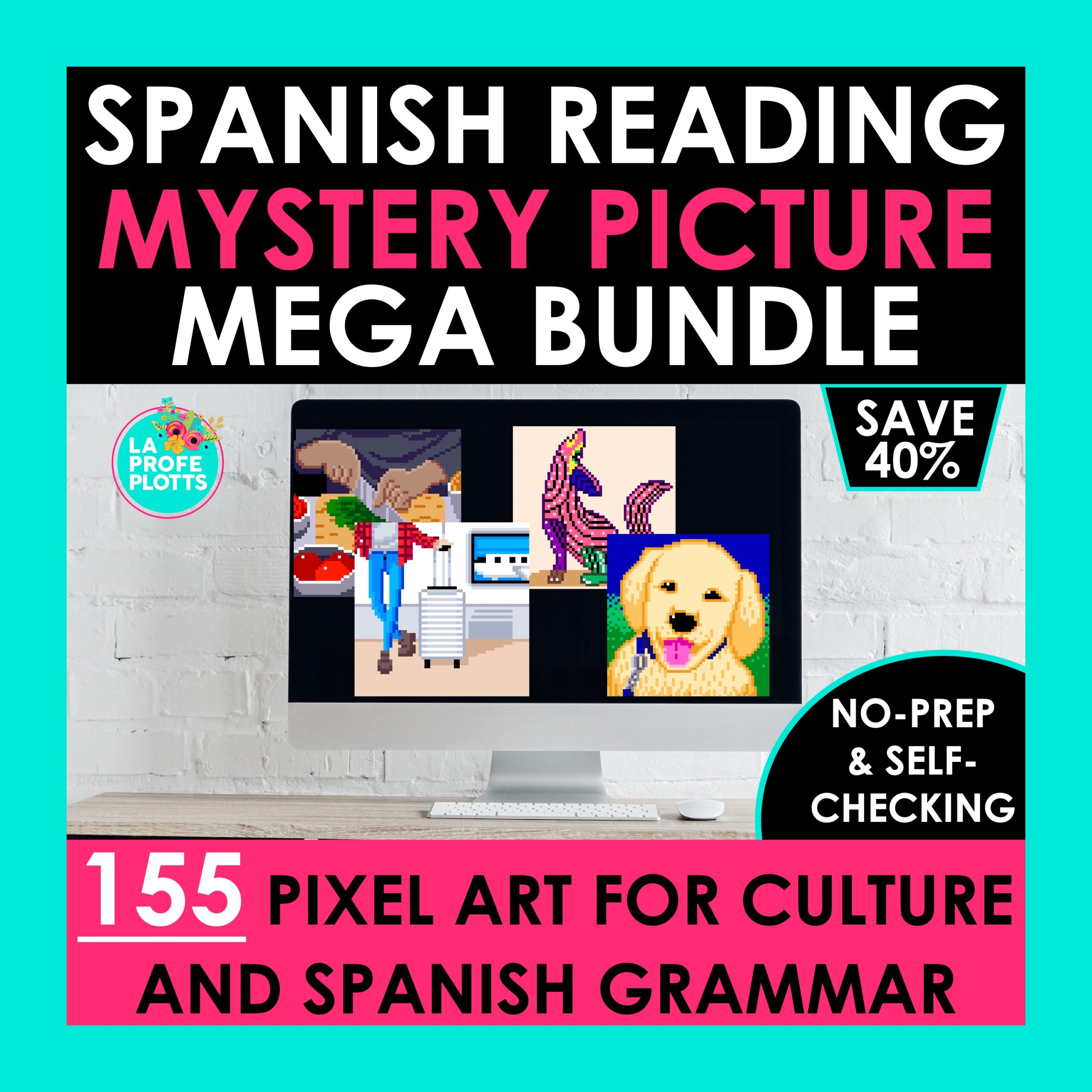
Once you have narrowed down the style, look for concrete examples that match your engine's requirements. The products listed below are popular among indie developers for their versatility and clear licensing terms.


As an Amazon Associate, we may earn from qualifying purchases.
Always read the fine print on commercial usage. Some packs restrict sales volume or require attribution, which can impact your marketing strategy. If you plan to release on multiple platforms, ensure the resolution supports the highest standard your target audience expects.
No comments yet. Be the first to share your thoughts!