Start with Indie Game Icons
Before diving into full sprite packs, it helps to understand what makes a collection "premium." We selected these ten options based on three concrete criteria: visual consistency, asset variety, and licensing clarity. A premium pack should feel like a cohesive art direction, not a random grab bag of assets.
The selection process prioritized packs that offer immediate usability. We looked for high-resolution PNGs and SVGs that scale without pixelation, alongside organized folder structures that save development time. Licensing is equally critical; every pack listed here includes clear commercial rights, so you can integrate them into revenue-generating projects without legal ambiguity.
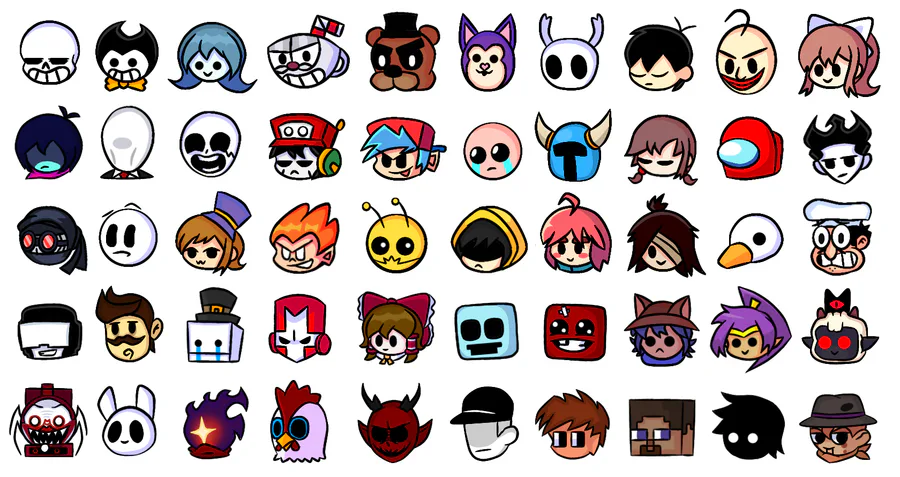
These icons serve as the visual vocabulary of your game. Whether you need UI elements, character portraits, or environmental details, the right pack establishes tone instantly. We focused on styles that are distinct enough to stand out in a crowded marketplace, from pixel art to modern vector aesthetics.
10 2026 Indie Game Trends: Top 10 Premium Game Graphics & Character Sprite Packs for Instant Download
These premium sprite packs and graphics assets are curated for indie developers seeking to elevate visual fidelity without the overhead of custom art pipelines. Each selection offers high-resolution, ready-to-use assets designed for immediate integration into 2026 game projects.
1. Cyberpunk Neon City Backgrounds
These backgrounds deliver high-contrast urban atmospheres with integrated lighting maps, perfect for dystopian narratives. The layered PSD files allow developers to swap neon signs or adjust rain intensity without breaking the composition. This flexibility ensures consistent mood across scrolling levels while maintaining sharp visual fidelity at any resolution.

2. Fantasy Forest Tilesets
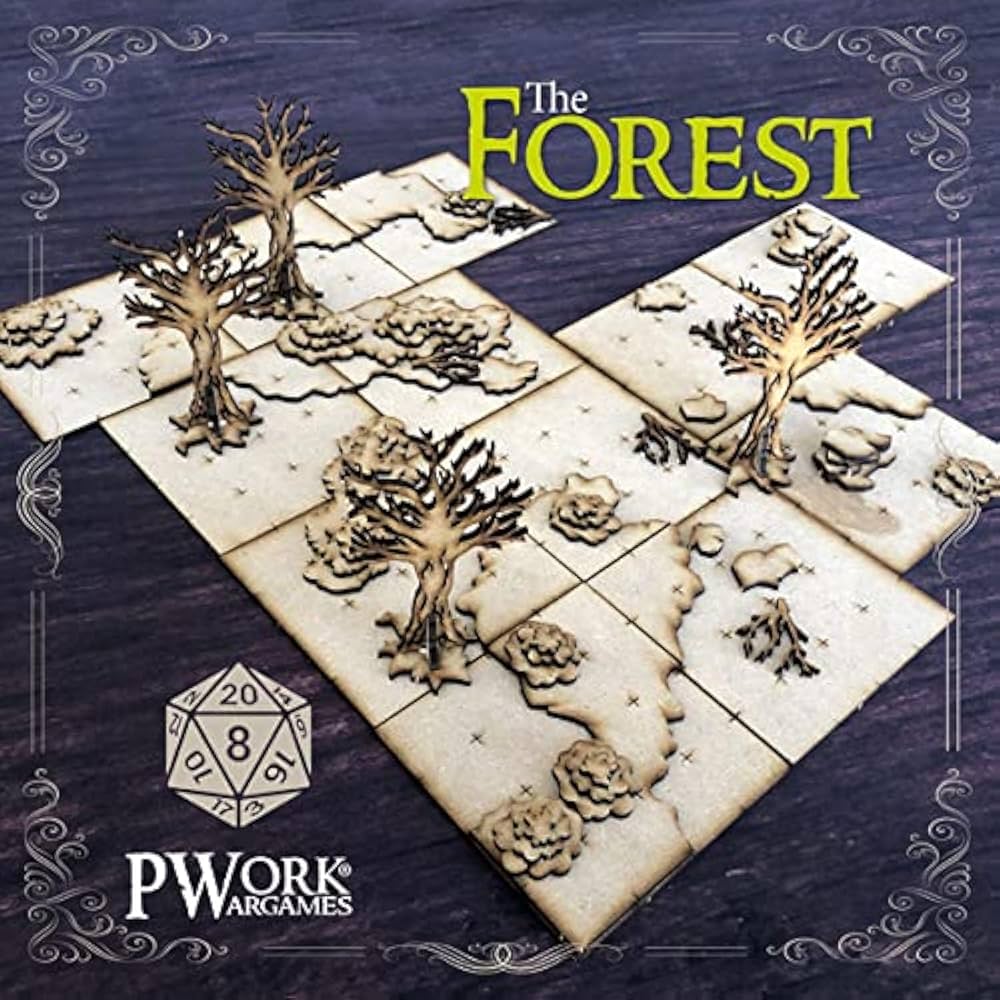
Designed for seamless isometric or top-down exploration, these tilesets feature organic edge blending and varied foliage density. The palette balances deep greens with subtle earth tones to prevent visual fatigue during extended play sessions. Modular pieces include interactive elements like mushrooms and roots, adding environmental storytelling without cluttering the player’s view.
3. Retro Pixel Art Characters
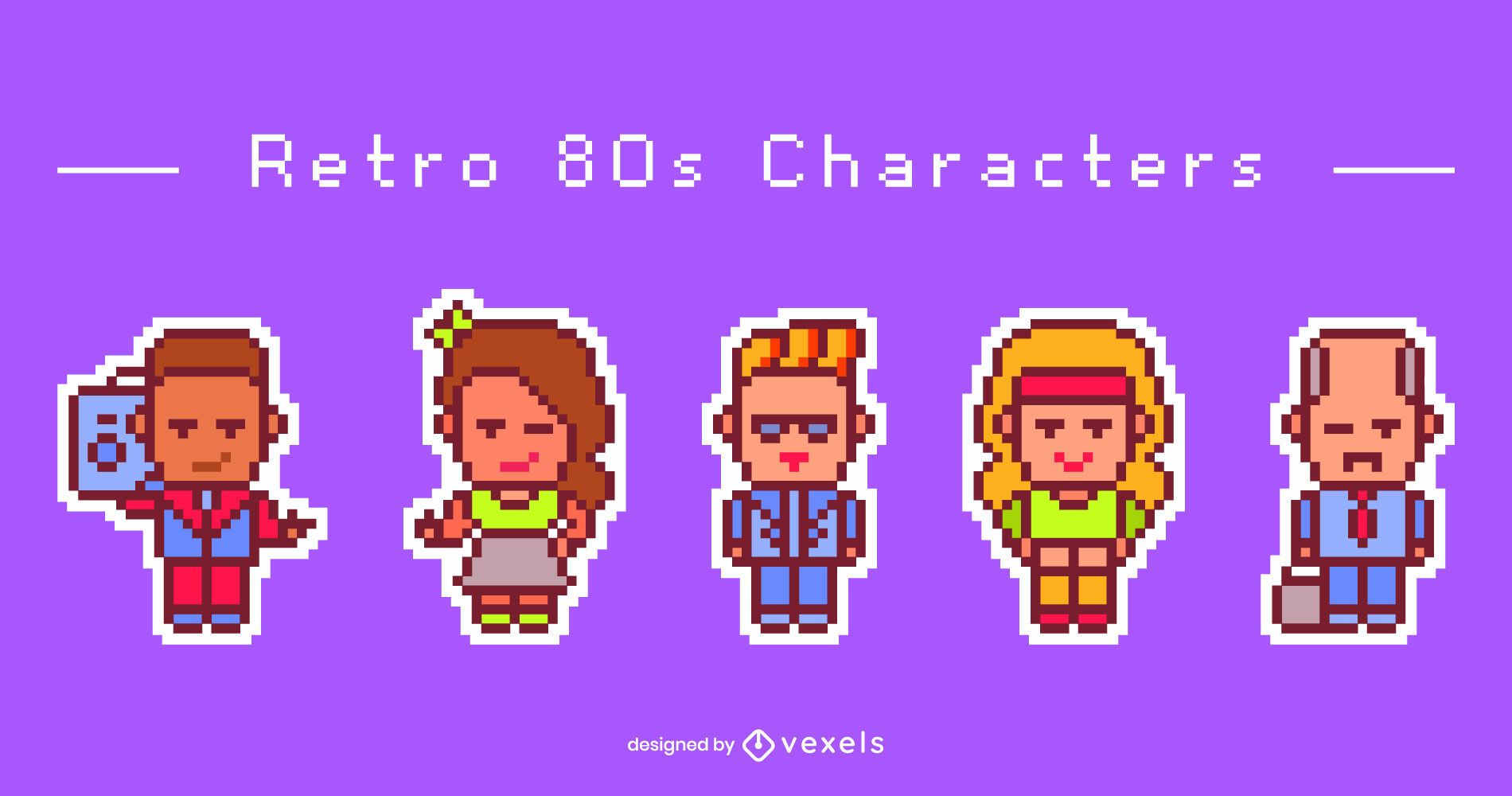
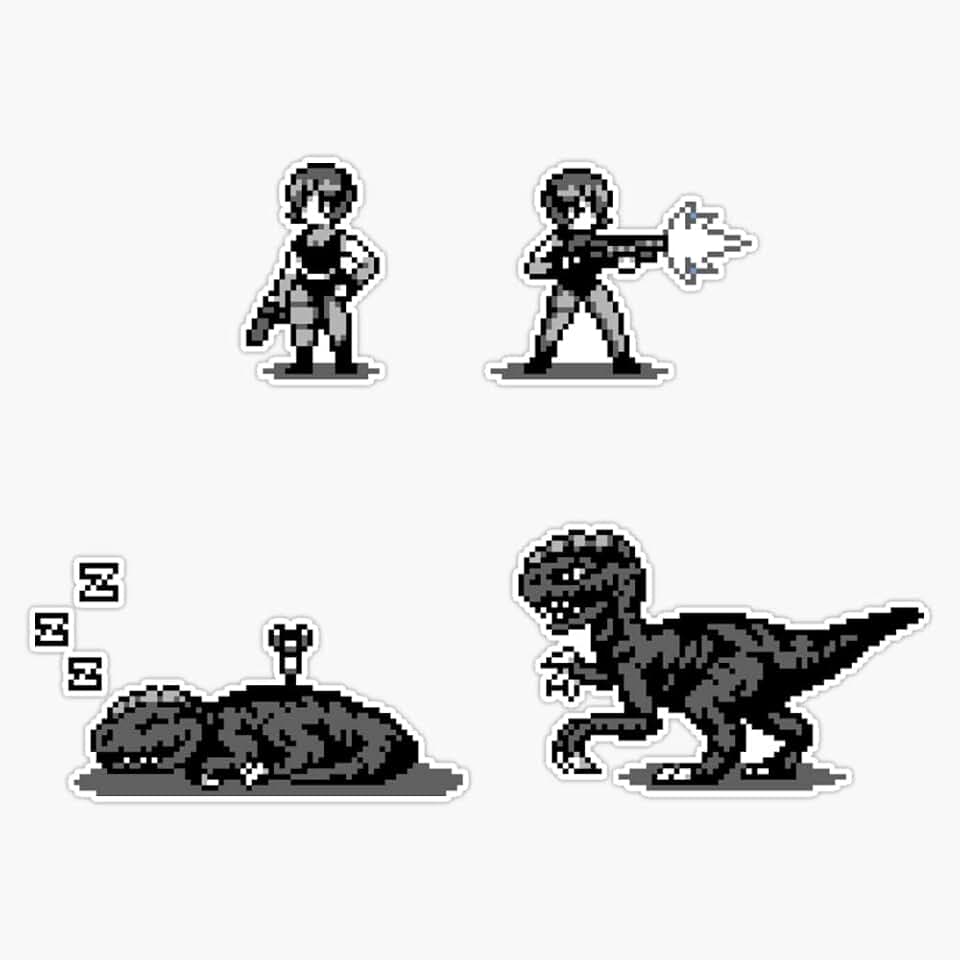
This pack offers a diverse roster of 16-bit style heroes with fluid 8-directional animation cycles. Each character includes idle, walk, and attack frames optimized for smooth interpolation in modern engines. The consistent sprite grid ensures easy swapping between character classes, making it ideal for roguelikes or action RPGs requiring rapid character progression.
4. Sci-Fi Robot Sprites
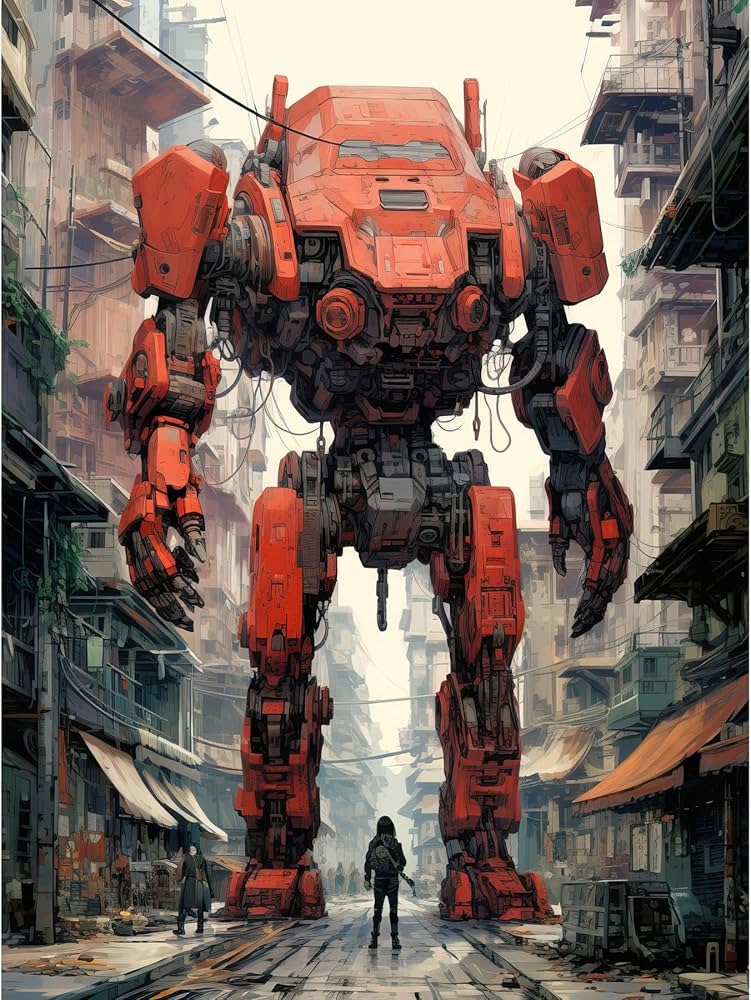
Featuring modular mechanical parts, these sprites allow developers to customize robot designs by swapping armor plates and weapon types. The animation set includes heavy mechanical movements with frame-by-frame detailing to emphasize weight and power. Metallic textures are pre-shaded to react dynamically to in-game lighting, enhancing immersion without requiring complex shader setups.
5. Medieval Castle Interiors
These interiors provide detailed architectural elements like stone arches, wooden beams, and torch holders for immersive dungeon crawlers. The color palette uses muted earth tones to highlight interactive objects like chests and levers. Each tile is designed for seamless connection, allowing developers to construct complex, multi-room structures without visible seams or repetitive patterns.

6. Space Station Corridors
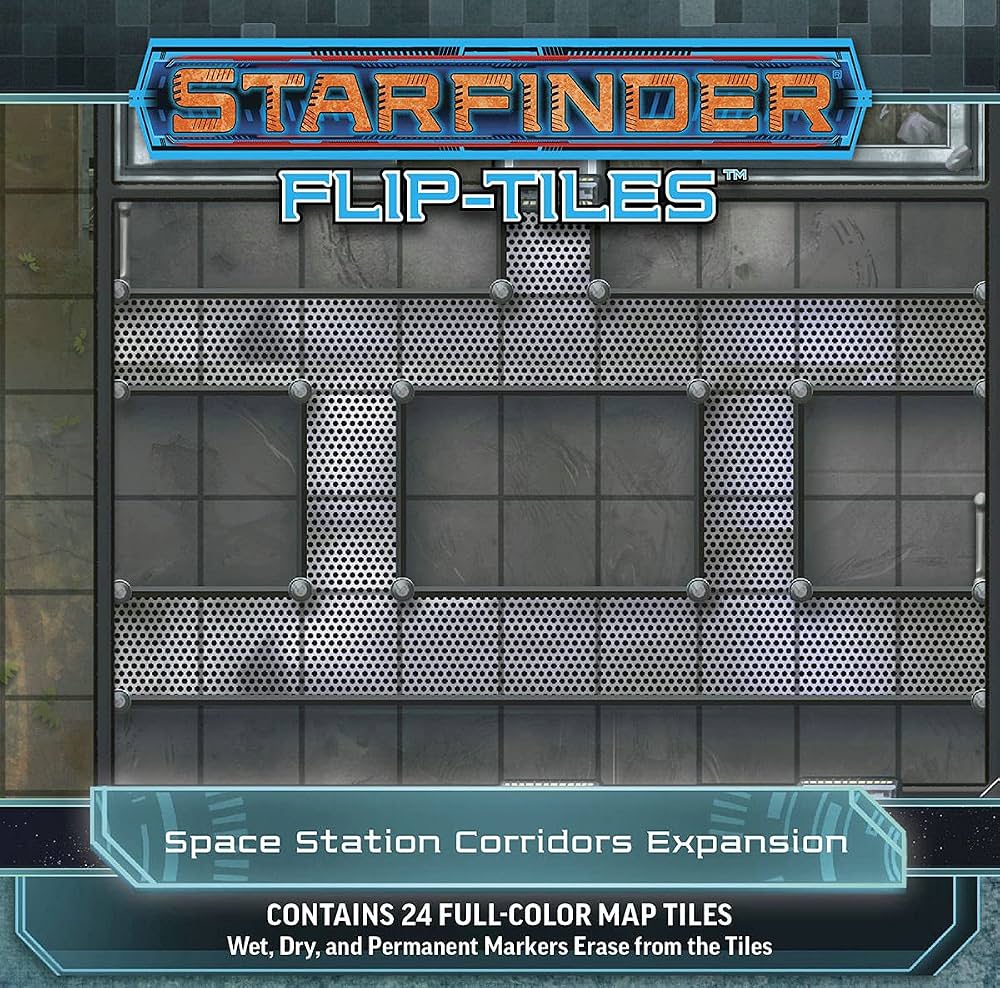
These tilesets offer modular sci-fi environments that snap together seamlessly for procedural level generation. The assets include detailed wall panels, lighting fixtures, and floor grates, ensuring your space station feels lived-in and authentic. Perfect for survival horror or exploration games, they provide a cohesive visual language for vertical and horizontal navigation.
7. Zombie Horde Animations
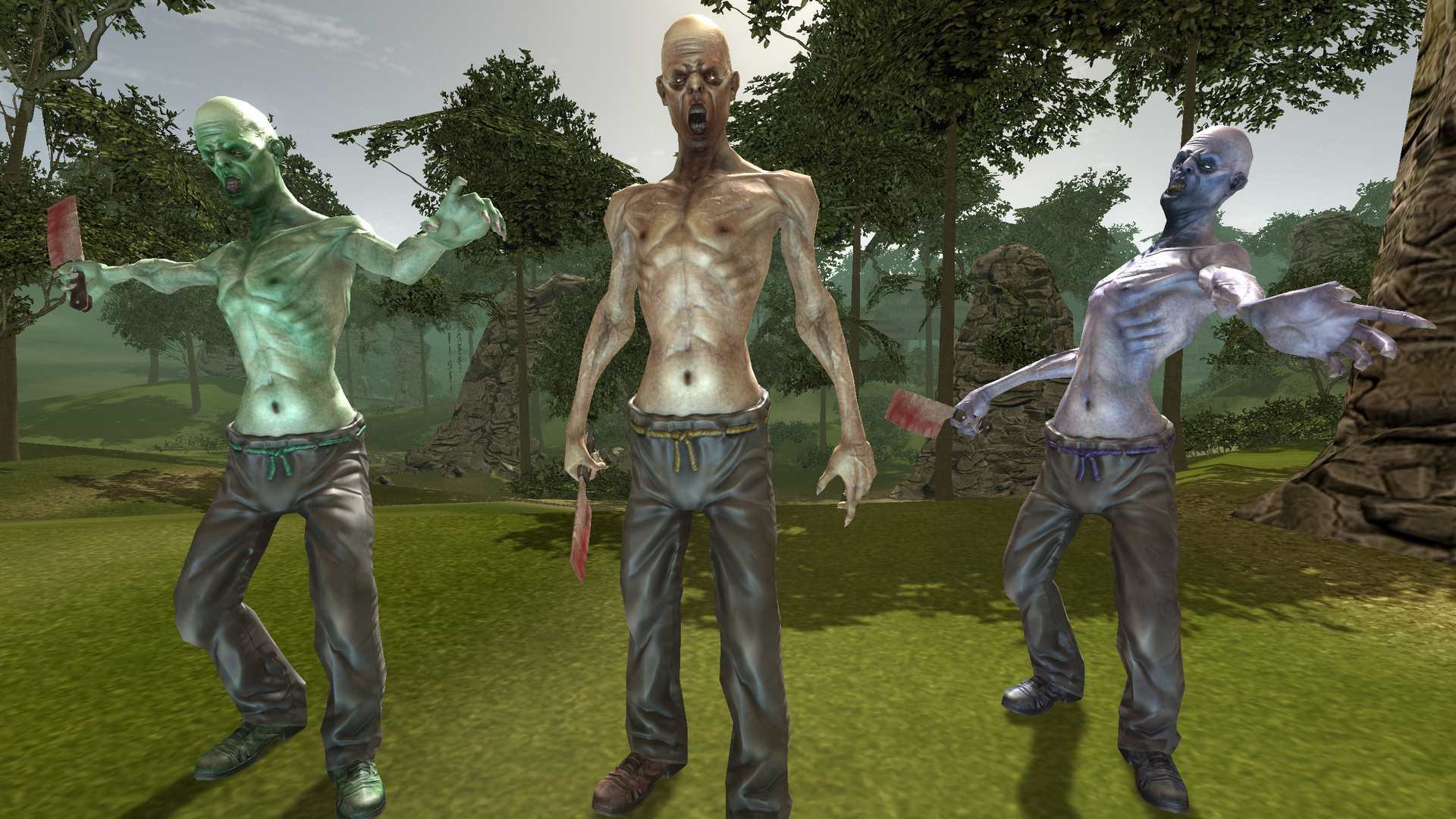
This pack focuses on high-density crowd simulation with optimized sprite animations for various zombie behaviors. You get idle shuffling, aggressive lunging, and ragdoll death sequences that run smoothly even with dozens of entities on screen. The consistent art style ensures visual unity, while the varied movement patterns prevent the horde from looking repetitive or robotic during intense combat encounters.
8. Magical Spell Effects
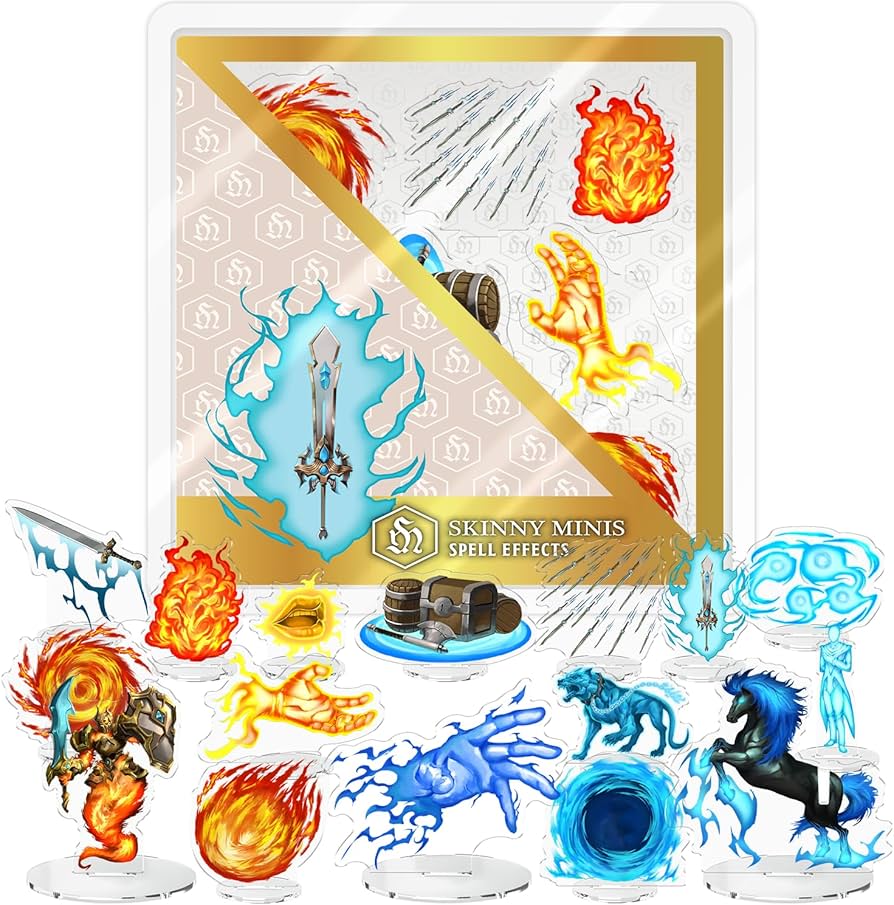
Vibrant particle effects and projectile sprites bring magic to life with minimal performance overhead. The collection includes fireballs, ice shards, and lightning bolts, each with distinct start, travel, and impact frames. These assets are designed to pop against darker backgrounds, providing clear visual feedback for players during fast-paced combat. The cohesive color palette ensures spells feel powerful without cluttering the screen.
9. Vehicle Sprite Sheets
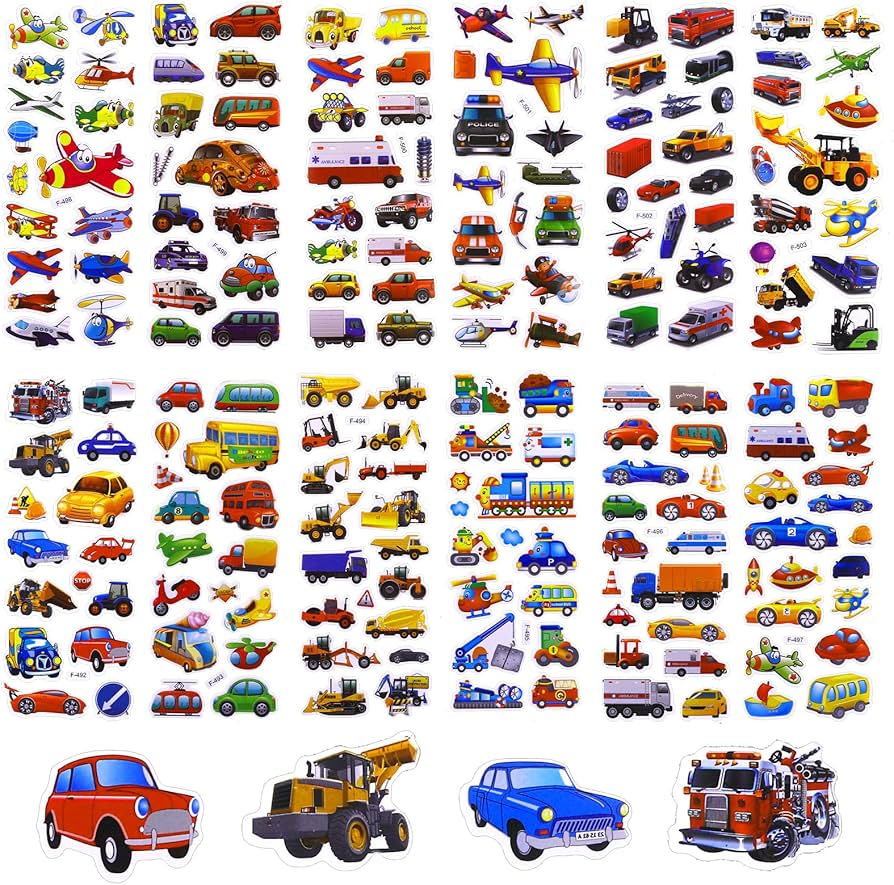
Detailed sprite sheets for land and air vehicles, including tanks, hovercrafts, and fighter jets. Each vehicle features multiple angles and animation frames for movement, damage, and destruction. The high-resolution textures ensure clarity at various zoom levels, making them ideal for top-down strategy games or side-scrolling shooters. The consistent scale across different vehicle types simplifies level design and balance adjustments.
10. UI Icon Sets
A comprehensive set of user interface icons designed for clarity and aesthetic consistency. Includes buttons, health bars, inventory slots, and menu navigators, all rendered in a unified art style. The scalable vectors ensure sharp display on any resolution, while the intuitive symbols reduce cognitive load for players. This pack streamlines interface development, allowing you to focus on gameplay mechanics rather than UI design.
Pick the right fit
Choosing a sprite pack is less about finding the "best" art and more about finding the art that fits your engine and workflow. A mismatched format can turn a two-day asset hunt into a two-week coding headache. Use this four-step framework to filter the top 10 packs based on your specific project needs.
Premium packs usually offer PNG sequences or SVG vectors. If you are building a 2D platformer in Godot or Unity, verify the pack includes transparent PNGs at 1x and 2x scales. SVGs are ideal for UI elements but require an extra export step for character sprites in most 2D engines.
Look for packs that include idle, walk, and jump cycles. A static character looks unfinished in an indie game. Check if the frames are consistent in timing (e.g., 12fps vs 24fps) so you don't have to manually adjust the animation speed in your code later.
A high-fantasy RPG needs different sprites than a retro puzzle game. If your game is a cozy farming sim, a gritty, dark pixel art pack will clash with the tone. Review the pack's preview images to ensure the color palette and line weight match your game's aesthetic.
Even premium packs have restrictions. Some licenses allow use in commercial games but prohibit reselling the assets as a separate pack. Others may require attribution. Read the EULA carefully to ensure you can use the sprites in your final product without legal headaches.


As an Amazon Associate, we may earn from qualifying purchases.
| Feature | PNG Sequence | Vector SVG |
|---|---|---|
| Resolution | Fixed (check 1x/2x) | Infinite (scales perfectly) |
| Animation | Frame-by-frame ready | Requires export/animation tool |
| File Size | Larger (pixel data) | Smaller (code-based) |
| Best For | 2D Platformers/RPGs | UI/HUD/Icons |
2026 Indie Game Trends: 10 Premium Game Graphics & Character Sprite Packs for Instant Download
Can I use these sprite packs in commercial games?
Most premium packs from marketplaces like the Unity Asset Store, Unreal Marketplace, and itch.io include a standard commercial license. This typically allows you to use the assets in games you sell, whether on Steam, consoles, or mobile stores. However, always read the specific Terms of Service. Some packs prohibit reselling the assets as-is or using them in competing asset stores. The packs listed in this guide are selected for their clear commercial usage rights.
Do these packs include source files or animation frames?
High-quality sprite packs usually include the full animation sequence (idle, walk, attack, hurt) in PNG or sprite sheet format. For vector-based icons, look for packs that include SVG or AI source files, allowing you to scale graphics without losing quality. Many modern packs also provide layered PSD files, letting you recolor characters or modify equipment directly. Check the product description for "source files" or "editable layers" to ensure you can adapt the assets to your game’s unique style.
Are these assets optimized for performance?
Premium packs are generally optimized for game engines, featuring consistent pixel art scales (e.g., 16x16, 32x32) and clean tilesets. Unlike free, uncurated assets, paid packs often include pre-baked lighting or normal maps for 2.5D effects. They are designed to minimize draw calls and memory usage. For 3D character models, expect optimized meshes with LODs (Level of Detail) included. Always test assets in your target engine (Unity, Godot, Unreal) to ensure they import correctly without texture bleeding or scaling issues.
How do these differ from free icon sets?
Free icon sets, like those on game-icons.net, offer variety but often lack consistency in style, resolution, or licensing. Premium packs provide a cohesive visual identity, ensuring all characters, items, and UI elements match. They include professional animation cycles and documentation that free packs rarely offer. While free assets are great for prototyping, premium packs save development time by providing production-ready, polished assets that look professional out of the box.
No comments yet. Be the first to share your thoughts!