
RPG Sprite Trends in 2024
Mobile RPG sprite design is about responding to what players actively engage with. We're seeing a move away from simplistic sprites towards designs with more visual detail, not a return to realism, but a refinement of existing styles. Gacha games have a substantial influence; their character designs, often featuring large eyes and dynamic poses, set a high bar for visual appeal.
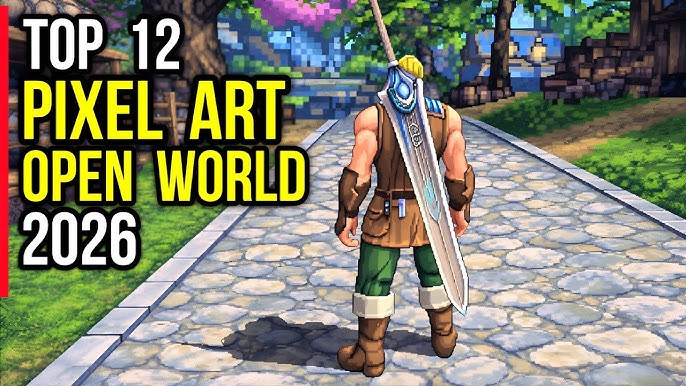
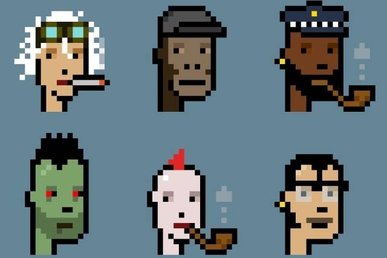
Alongside this push for detail, there’s a strong revival of pixel art, but not the 8-bit pixel art of the past. Modern pixel art uses advanced shading techniques and larger palettes to create a more nuanced and visually appealing aesthetic. This trend likely stems from a desire for nostalgia combined with pixel art's unique visual charm. The key is finding a balance – detail where it matters, and stylistic choices that resonate with the target audience.
Technical constraints remain a significant factor. Mobile devices have limited processing power and storage, so sprite size and animation complexity are always considerations. Developers use techniques like sprite atlases and careful optimization to deliver visually appealing graphics without sacrificing performance. The goal is to maximize visual fidelity within those constraints. A beautifully rendered sprite that causes lag isn’t valuable.
Core Sprite Types: A Breakdown
A complete mobile RPG requires a diverse range of sprite types. At the core are character sprites, encompassing the player’s hero, a variety of enemies, and non-player characters (NPCs). Each needs a set of animations to convey actions and emotions. Without a comprehensive set of sprites, the game will feel limited and repetitive.
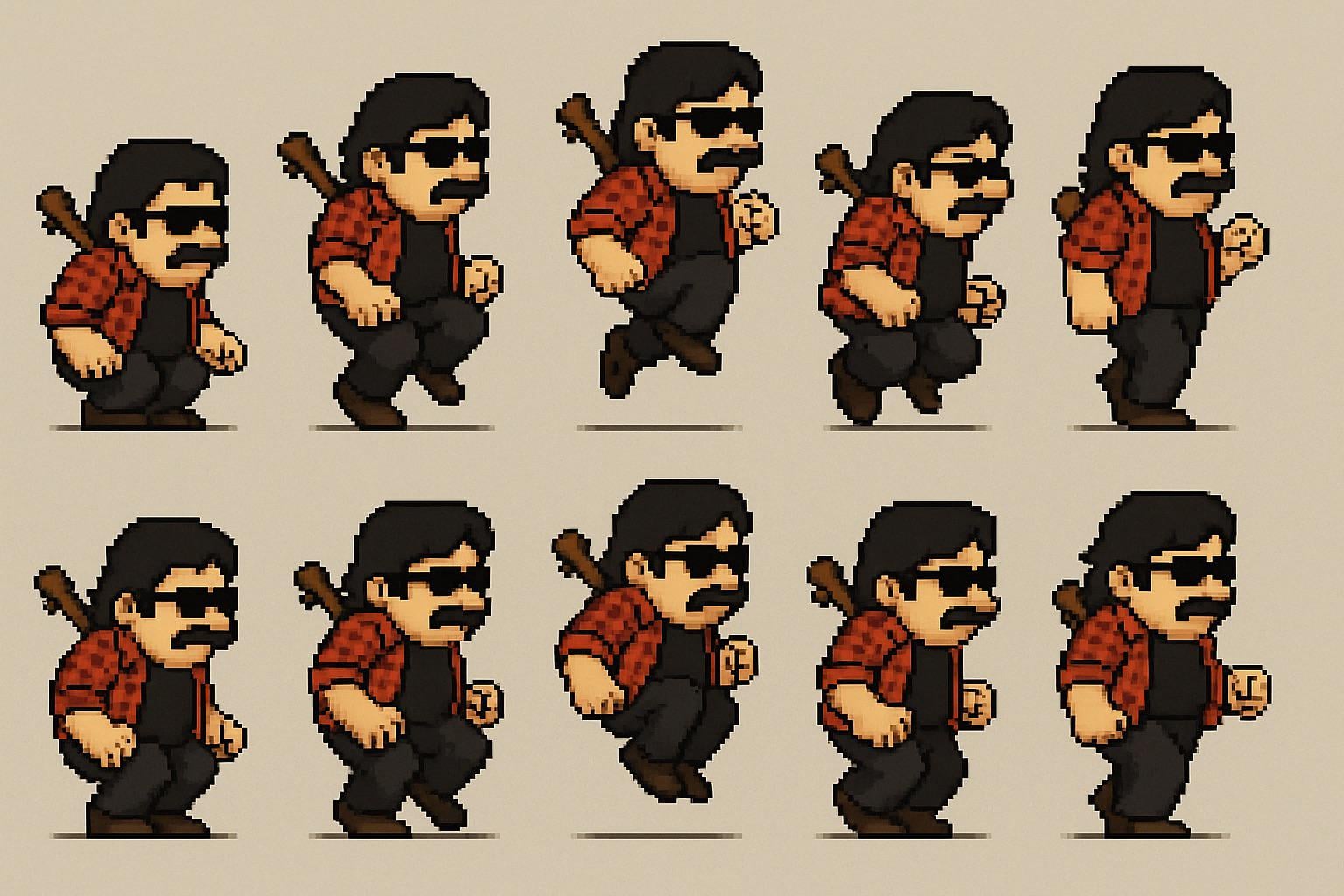
Animation states are critical. A character needs sprites for idle, walking, running, attacking (multiple attack types are common), being hit, and death. These animations must be smooth and responsive to player input. UI sprites, including icons for items, abilities, and buttons, are often overlooked, but they’re essential for a clear and intuitive user experience. Environment sprites – tiles for terrain, props like trees and furniture – complete the visual package.
Consistency is paramount. All sprite types must share a consistent art style and scale. Mismatched sprites immediately break immersion. Developers use sprite sheets and atlases – combining multiple sprites into a single image – to improve performance by reducing draw calls. Properly organized sprite sheets are a huge time saver during development.
CraftPix.net & Itch.io: Asset Source Comparison
When sourcing RPG sprite packs, two platforms consistently appear: CraftPix.net and itch.io. CraftPix.net focuses on commercially-oriented, polished assets. You’ll find complete game kits, character sprites with detailed animations, and a generally high level of production value. Licensing terms are typically straightforward, often offering commercial use rights with attribution. Pricing tends to be higher, reflecting the quality and time investment.
Itch.io, on the other hand, is a diverse marketplace. It’s a haven for indie developers and hobbyists, meaning you’ll find a wider range of styles and quality levels. You can discover unique assets on itch.io that you won’t find anywhere else, and there’s free content available. However, be prepared to spend more time sifting through assets to find what you need. Licensing can be more variable – always check the terms carefully.
The trade-off is clear: CraftPix provides reliability and polish, but at a cost. Itch.io offers potential for unique finds and lower prices, but requires more diligence. I’ve personally found some incredible, low-cost sprite packs on itch.io that added character to smaller projects, but it took a while to filter through the less polished options.
- CraftPix.net: Polished, commercially-focused, higher price point, clear licensing.
- itch.io: Diverse, indie-focused, lower price point (including free options), variable licensing.
Character Sprite Pack Marketplace Comparison: CraftPix.net vs. itch.io (2026 Outlook)
| Criteria | CraftPix.net | itch.io |
|---|---|---|
| Asset Style Variety | Offers a focused selection, generally leaning towards polished, commercially-oriented 2D styles. | Demonstrates a significantly wider range of styles, from pixel art to vector graphics, including experimental and niche aesthetics. |
| Price Range | Assets are generally available for purchase; free assets are also present, but represent a smaller portion of the total catalog. | Features a substantial number of free assets alongside paid options. Pricing for paid assets varies widely, from very low cost to premium prices. |
| Licensing Clarity | Licensing terms are stated on a per-asset basis, requiring individual review. Standard commercial licenses are generally available. | Licensing varies significantly per creator; careful review is essential. Many assets utilize Creative Commons licenses, but terms differ. |
| Support/Community | Support is typically limited to asset descriptions and potentially direct contact with CraftPix.net. Community features are not prominently displayed. | Strong community presence through creator pages, comments sections, and forum-like features. Direct interaction with asset creators is common. |
| Ease of Search | Search functionality is present, but may require specific keyword usage to yield relevant results. Categorization is relatively standard. | Search functionality is available, but can be challenging due to the vast and diverse catalog. Tagging and filtering are important for refined searches. |
| Risk of Low-Quality Assets | Generally lower risk due to a curated marketplace, though quality can still vary. | Higher risk of encountering low-quality or unfinished assets due to the open nature of the platform. Due diligence is crucial. |
| Asset Format Availability | Primarily offers assets in standard 2D formats suitable for game development. | Supports a broad range of asset formats, reflecting the diverse creator base and tools used. |
Illustrative comparison based on the article research brief. Verify current pricing, limits, and product details in the official docs before relying on it.
Animation Frames: Balancing Detail and Performance
The number of animation frames directly impacts visual quality and performance. More frames generally result in smoother, more realistic animations, but they also increase file size and processing load. Finding the sweet spot is essential for mobile RPGs. A character walking animation with only three frames will look jerky and unnatural, but one with twenty frames might be overkill.
Optimizing animations involves several techniques. Sprite sheet packing, as mentioned earlier, reduces draw calls. Animation blending – smoothly transitioning between different animations – can create the illusion of more frames without actually adding them. Skeletal animation, while more complex to implement, can reduce the number of sprites needed for a character, especially if they have multiple body parts.
There's no magic number for animation frames. It depends on the art style, the complexity of the animation, and the target mobile devices. Developers must profile their game on actual hardware to determine the optimal balance between visual fidelity and performance. Prioritize smooth gameplay over hyper-realistic animations that cause lag.
Essential Sprite Pack Features
A useful sprite pack goes beyond providing a few character sprites. It should include a variety of character classes – warrior, mage, rogue, etc. – each with a distinct visual style. A good pack will also offer multiple enemy types, ranging from basic grunts to challenging bosses. The more variety, the less custom art you’ll need to create.
Essential animation states are non-negotiable: idle, walk, run, attack (multiple variations), hit, and death. Beyond those, consider including animations for special abilities, casting spells, and interacting with the environment. Multiple color palettes are also incredibly valuable, allowing you to easily customize the appearance of characters and enemies.
Ideally, a sprite pack will also include some basic UI elements – icons for health, mana, items, and abilities. Clear documentation is crucial. The pack should clearly explain the naming conventions, file formats, and licensing terms. Variations, like different armor sets or weapon types, are a huge bonus, saving significant development time.
- Variety of character classes & enemy types
- Complete animation states (idle, walk, attack, etc.)
- Multiple color palettes
- Basic UI elements
- Clear documentation
Style Cohesion: Avoiding Visual Discord
Visual cohesion is often underestimated, but it's critical for creating an immersive game experience. If your character sprites are highly detailed and realistic, but your environment sprites are blocky and simplistic, the game will feel disjointed and amateurish. Everything must work together harmoniously.
Pay attention to elements like color palettes, line weight, level of detail, and perspective. A consistent color palette creates a sense of visual unity. Consistent line weight ensures that all sprites have a similar visual thickness. The level of detail should be appropriate for the overall art style. Perspective – whether isometric, top-down, or side-scrolling – must be consistent across all sprites.
Games like Genshin Impact excel at style cohesion, with a consistent anime-inspired aesthetic across all assets. Conversely, many early mobile RPGs suffered from mismatched art styles, making them feel visually jarring. A cohesive art style isn't just about aesthetics; it's about creating a believable and engaging world for the player.
Future Trends: 2025-2026 Predictions
Looking ahead to 2025 and 2026, expect a continued trend towards more stylized pixel art. While high-resolution sprites will remain popular, artists are increasingly exploring ways to create visually striking pixel art with advanced techniques. We’ll likely see more games embracing a deliberately retro aesthetic, but with a modern polish.
The push for higher detail will continue, driven by the increasing power of mobile devices. However, optimization will remain crucial. Developers must find innovative ways to deliver detailed graphics without sacrificing performance. We could see wider adoption of techniques like procedural generation to create more varied and detailed environments.
The integration of AI-assisted art tools is a bit more uncertain. While AI can certainly help with tasks like generating sprite variations or upscaling low-resolution sprites, I don’t expect it to completely replace human artists anytime soon. However, AI tools will likely become increasingly common in the game development workflow. I also suspect more demand for sprites that support highly customizable characters, allowing players to personalize their avatars.
What art style are you most excited to see in mobile RPG character sprite packs heading into 2026?
As mobile RPG development continues to evolve, the demand for high-quality character sprite assets is shifting alongside player expectations. We are analyzing which visual directions resonate most with developers and designers in the current landscape. Your input helps us understand where the market is heading and which sprite pack styles deliver the strongest player engagement. Vote below!
No comments yet. Be the first to share your thoughts!