
The asset acquisition spectrum
Indie developers balance quality against tight budgets every day. Game assets like icons, sprites, and sound effects aren't just free or paid; they exist on a scale from public domain files to custom commissions. You need to understand where your project sits on this scale to calculate a real return on investment.
Many developers start by exploring free assets, and that’s perfectly reasonable. However, the idea that "free’ equates to ‘no cost’ is often a fallacy. There"s a hidden price tag attached, usually in the form of developer time. This isn't about dismissing free assets entirely; it’s about recognizing their true cost and whether it aligns with your project goals.
The higher tiers involve purchasing individual assets, subscribing to asset stores, or commissioning custom work. Each tier offers different levels of quality, support, and exclusivity. Where an indie developer lands on this spectrum depends on factors like budget, artistic vision, and the scope of the project. I believe a pragmatic approach—carefully evaluating the trade-offs—yields the best results.
The time cost of free assets
The most significant drawback of free assets isn't the lack of a monetary cost, but the time investment required to make them usable. Consider game-icons.net, which boasts over 4180 free SVG and PNG icons as of April 2026. While a vast library is appealing, simply downloading an icon isn't enough. You’ll likely need to resize it, adjust colors, and potentially modify the design to fit your game's aesthetic.
This integration process can be surprisingly time-consuming. A seemingly simple icon might require an hour of work to adapt for your engine. Multiply that by dozens or hundreds of assets, and the hours quickly add up. Furthermore, free assets often lack the polish of premium options, requiring additional refinement to avoid a disjointed visual style.
Licensing and attribution are further time sinks. Many free assets require explicit attribution within your game credits, and some come with restrictive licenses that limit how you can use them. Failing to comply with these terms can lead to legal issues. A careful review of each license is essential, but adds to the overall workload.
- Finding suitable assets takes hours of scrolling through unorganized libraries.
- Quality Vetting: Assessing the quality and consistency of free assets.
- You have to resize, recolor, and modify files to match your game's specific style.
- Licensing Review: Understanding and complying with the terms of each license.
- Attribution: Properly crediting the asset creators in your game.
Premium asset returns
Premium assets cost money upfront but save hours of integration work. They provide a level of visual consistency that is hard to mimic with a collection of disparate free files. Players notice when your art style is cohesive, and that first impression often dictates whether they keep playing or ask for a refund.
Services like Envato Elements provide access to a vast library of assets – vector graphics, sprites, sound effects, and more – for a monthly subscription. This access streamlines the development process, allowing you to quickly find and implement high-quality assets. The time saved can be redirected towards core gameplay development and refinement.
A visually appealing game is more likely to attract attention on platforms like Steam, Itch.io, and mobile app stores. Premium assets contribute directly to this visual appeal, increasing your game’s marketability. Furthermore, many premium asset providers offer dedicated support, providing assistance with any issues you encounter. This support is invaluable, especially for solo developers or small teams.
Where premium assets make sense
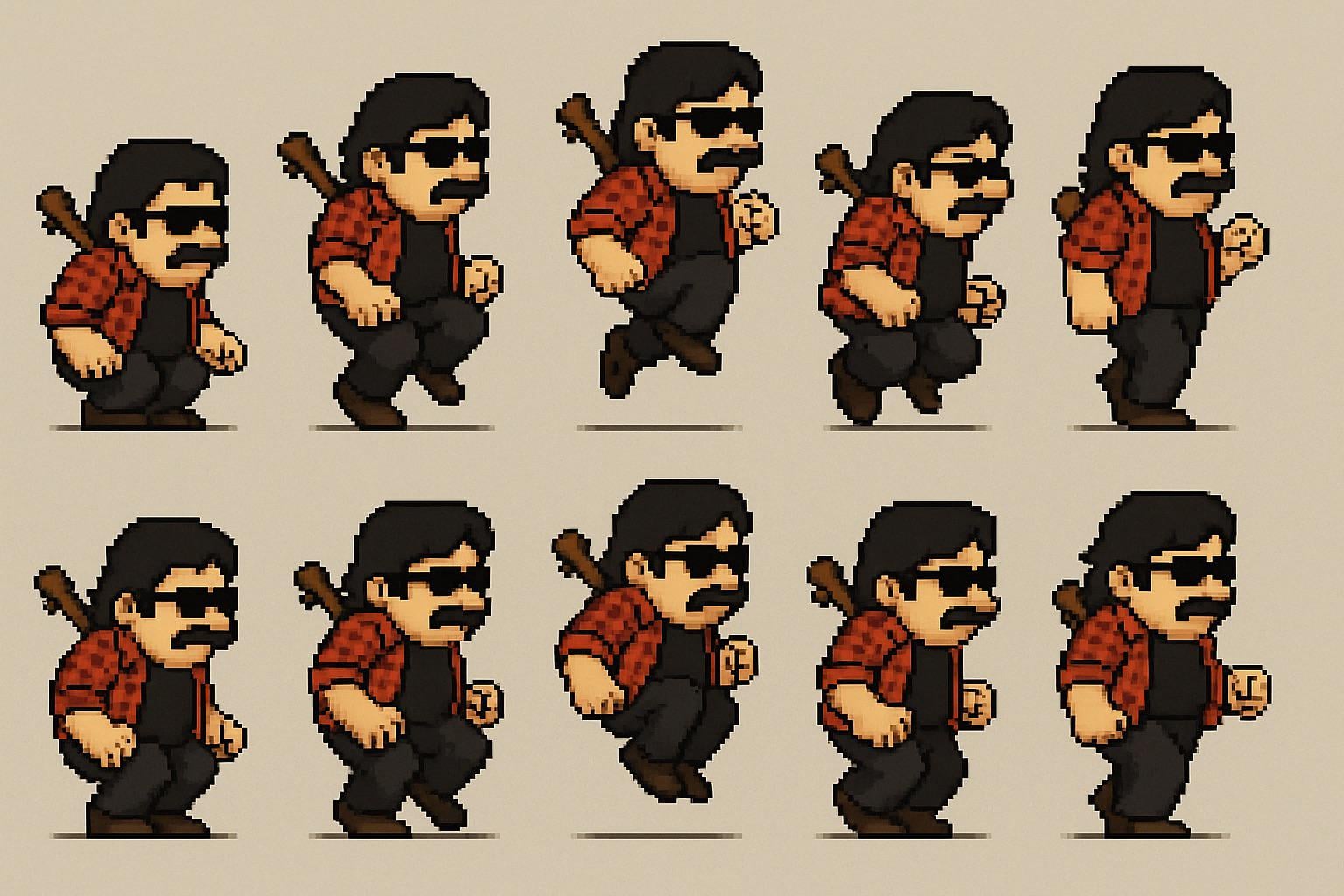
The ROI of premium assets varies depending on the asset type. Some categories benefit far more from a professional touch than others. I believe character sprites and animations are prime candidates for premium purchases. Poorly animated or visually unappealing characters can detract significantly from the player experience.
Backgrounds and environment art also fall into this category. High-quality backgrounds establish the atmosphere and mood of your game, and contribute significantly to immersion. Conversely, simpler UI elements – buttons, icons, progress bars – can often be sourced from free assets without a noticeable impact on the overall quality.
Sound effects and music are another area where premium assets are highly recommended. Generic or poorly produced audio can ruin even the most visually stunning game. Investing in a professional soundscape significantly enhances the player experience. Consistency is paramount; a mix of free and premium audio assets can sound jarring.
Free vs. Premium Gaming Assets: Qualitative Comparison - 2026
| Asset Type | Artistic Quality | Integration Effort | Consistency | Long-Term Support |
|---|---|---|---|---|
| Character Sprites | Medium | Medium | Low | Low |
| Backgrounds | Medium | Medium | Medium | Low |
| UI Elements | Medium | High | Medium | Low |
| Sound Effects | Low | Medium | Low | Low |
| Music | Low | Medium | Low | Low |
| Game Icons (based on game-icons.net) | Medium | High | Medium | Medium |
| Vector Graphics (based on elements.envato.com) | High | Medium | High | High |
Illustrative comparison based on the article research brief. Verify current pricing, limits, and product details in the official docs before relying on it.
Subscription services
Asset subscription services like Envato Elements offer a compelling alternative to purchasing individual assets. As of late 2026, Envato Elements offers unlimited downloads for a monthly fee. However, the true cost-effectiveness depends on your project's asset needs. If you only require a handful of assets, a subscription might be overkill.
To determine if a subscription is worthwhile, estimate the number of assets you'll realistically need over a given period (e.g., one month, six months). Then, compare the cost of the subscription to the cost of purchasing those assets individually from a marketplace like CraftPix.net. Consider the value of the time saved through easy access to a large library.
Licensing terms are also crucial. Ensure the subscription license allows you to use the assets in your intended project without restrictions. Pay attention to any limitations on commercial use or redistribution. A careful analysis of your asset requirements and the subscription terms is essential.
Real-world examples
Analyzing real-world examples clarifies the impact of asset choices. Stardew Valley, while utilizing a distinctive pixel art style, benefited immensely from consistent asset quality. The developer, Eric Barone, largely created the assets himself, demonstrating the value of a cohesive artistic vision, but also a significant time investment.
Undertale, another indie success story, employed a unique and charming art style. Toby Fox, the creator, used a mix of original and purchased assets, but maintained a consistent aesthetic. While specific cost breakdowns are unavailable, the game’s visual appeal undoubtedly contributed to its success.
A smaller example, Moonlighter, successfully blended pixel art with a distinct visual identity. The developers leveraged premium asset packs for certain elements, while creating custom assets for key characters and environments. This hybrid approach allowed them to achieve a high level of polish without exceeding their budget. Estimating the asset costs for these games is difficult without insider knowledge, but it's clear that strategic asset choices were crucial to their success.
Licensing and attribution
Understanding asset licenses is paramount. Common licenses include CC0 (public domain, no attribution required), Creative Commons (various levels of restriction, often requiring attribution), and proprietary licenses (specific terms defined by the asset creator). Always read and understand the license terms before using any asset.
Failure to comply with licensing requirements can lead to legal repercussions, including copyright infringement lawsuits. Proper attribution is often a requirement for Creative Commons licenses. This typically involves including the asset creator’s name and a link to the license in your game’s credits.
The Creative Commons website lists specific requirements for each license type. I always check the specific 'BY' or 'NC' tags before importing anything into a build to avoid legal headaches later.
Featured Products

Comprehensive guide to 2D platformer development in Unity · Focuses on rapid development for weekend projects · Covers essential Unity 4.5 features for 2D game creation
This asset provides a structured, time-efficient learning path for indie developers aiming to quickly prototype or launch a 2D platformer, reducing the learning curve and accelerating initial development.
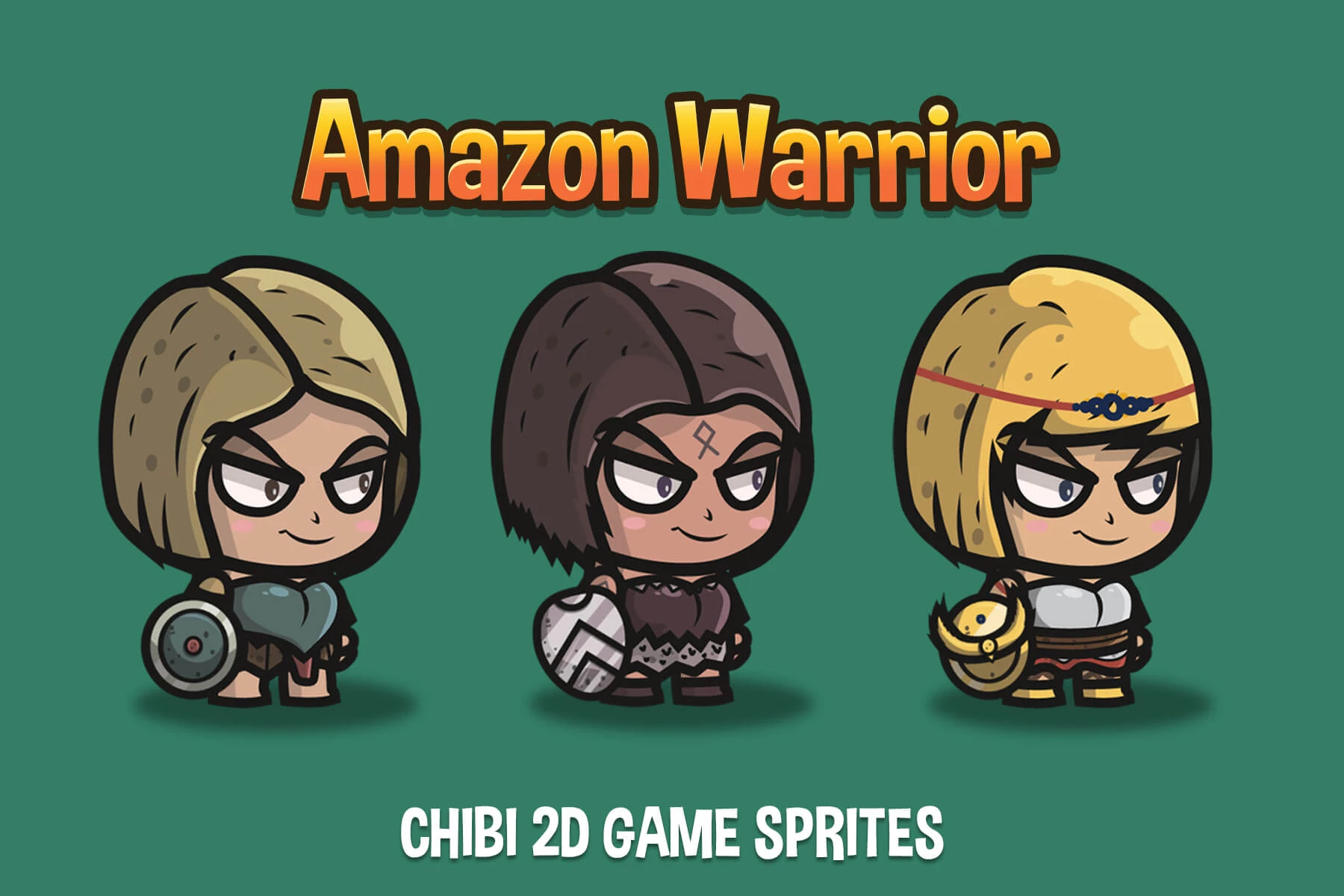
Includes a variety of character sprites for RPGs · Designed for use in 2D game development · Offers diverse visual styles for player characters and NPCs
This pack offers a curated selection of high-quality, ready-to-use RPG character sprites, significantly reducing the time and cost associated with custom art asset creation and ensuring a consistent visual style.

1000-piece jigsaw puzzle · Features a panoramic view of an NCAA Illinois Fighting Illini football stadium · Recommended for adults and families
While not a direct game asset, this product represents a premium, high-fidelity visual experience that, when translated to game development, signifies the quality and detail achievable with paid assets, justifying their cost for enhanced player immersion.
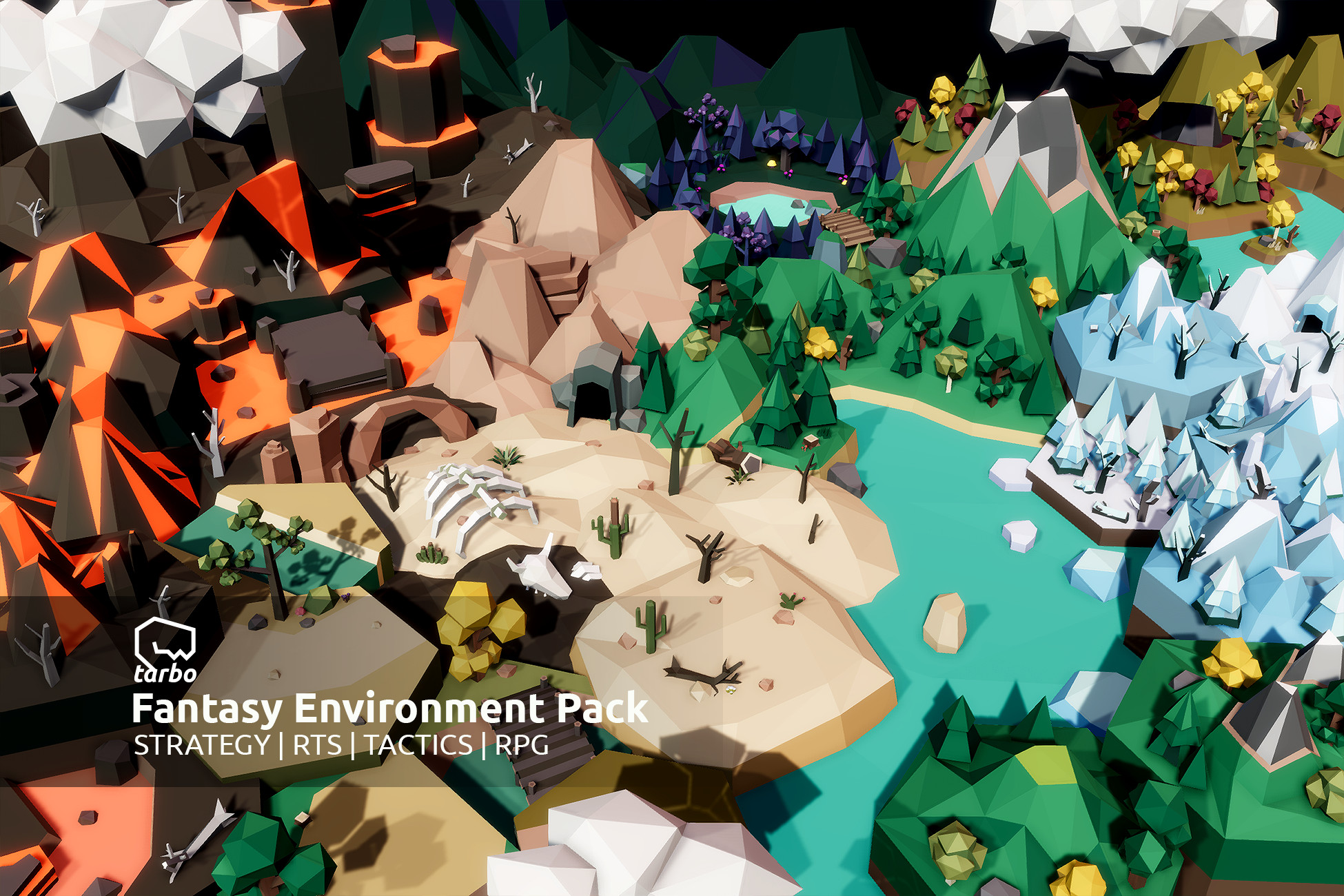
Contains a collection of fantasy environment assets · Suitable for 2D or 3D game development · Includes various elements for building immersive game worlds
This asset pack provides a comprehensive suite of pre-made fantasy environment elements, enabling developers to rapidly construct detailed and visually appealing game worlds, thereby saving significant art production time and resources.

Starter set for the BattleTech Alpha Strike wargame · Includes sci-fi mech miniatures · Designed for fast-play strategy gameplay
This premium set offers meticulously designed physical components for a strategy game, analogous to high-quality digital assets that provide immediate playability and a polished aesthetic, demonstrating the value proposition of investing in professional-grade game resources.
As an Amazon Associate I earn from qualifying purchases. Prices may vary.
No comments yet. Be the first to share your thoughts!