
Why icon quality matters for sales
Your game’s store icon is the first point of contact between your project and a potential player. In the crowded indie marketplace, visual polish signals professionalism and care. A crisp, well-designed icon suggests that the game itself is refined, while a sloppy or generic asset implies the opposite. This visual trust is a primary driver of click-through rates, which directly correlate with sales volume.
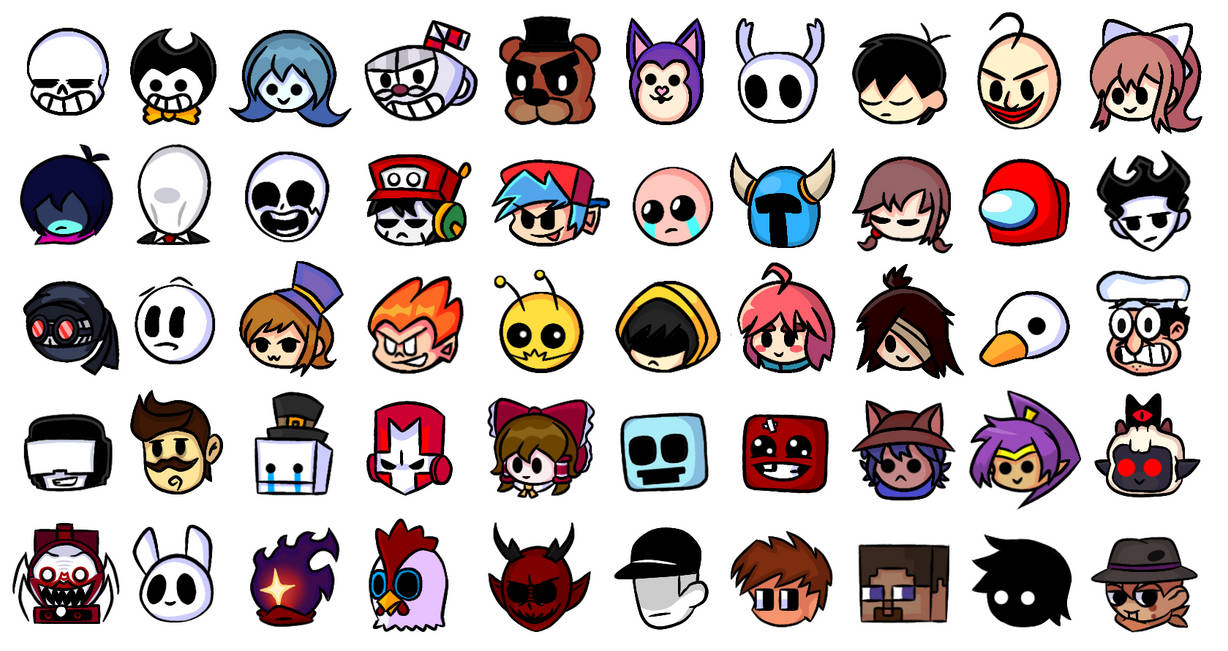
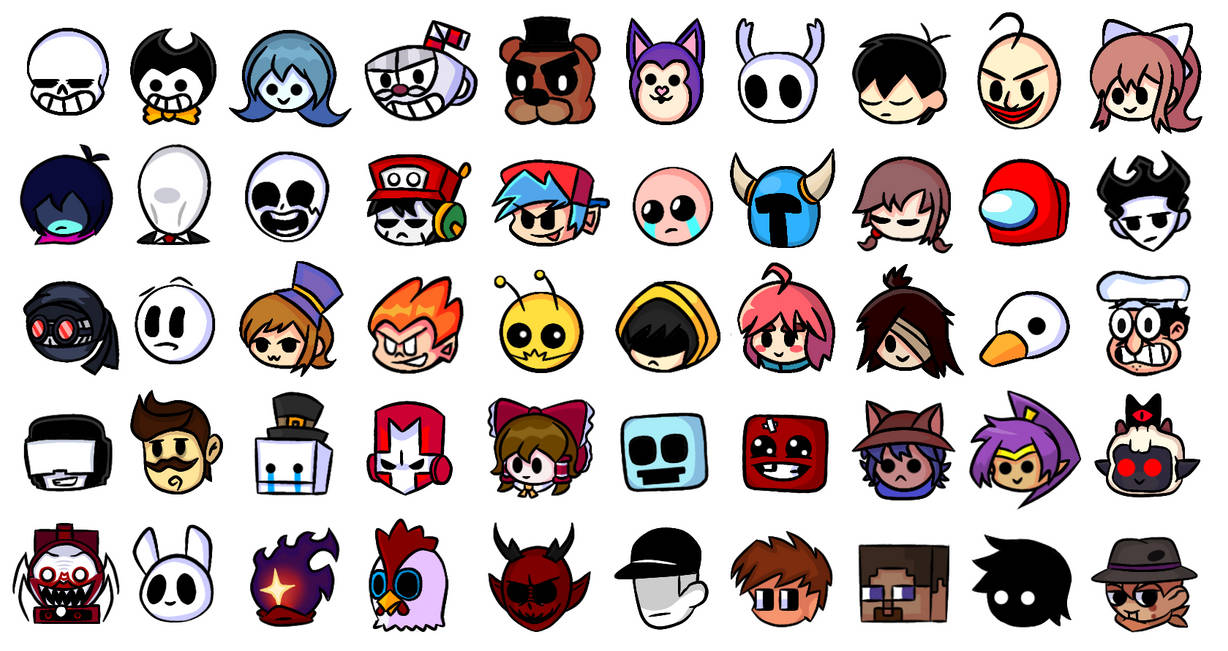
High-fidelity icon design goes beyond simple aesthetics; it communicates genre, tone, and core mechanics at a glance. In 2026, successful indie icons lean into distinct character silhouettes and vibrant, readable color palettes that stand out against the dense grids of Steam and itch.io. Players scan hundreds of titles in seconds; your icon must arrest attention immediately.
The difference between a free asset and a custom design is often the difference between being overlooked and being clicked. While platforms like Game-icons.net offer thousands of free SVGs, they are shared across thousands of projects. Using a unique, high-quality icon—whether commissioned or self-designed—creates a proprietary visual identity that builds brand recognition over time.
KeyTakeaways
- High-fidelity icons increase click-through and trust.
- Custom assets create a proprietary visual identity.
- Visual polish signals game quality to potential players.
Top 2026 indie game icon styles
The visual language of indie games is shifting from niche aesthetic experimentation toward conversion-optimized clarity. In 2026, successful indie icons balance distinct artistic identity with immediate readability across diverse screen sizes. This section outlines the dominant visual trends driving higher click-through rates.
1. Neo-Brutalism and High-Contrast UI
Brutalism has evolved from a web design trend into a staple for indie game branding. These icons use heavy black outlines, raw typography, and clashing colors to create an immediate visual stop. The aesthetic signals "authentic" and "unpolished" in a positive way, appealing to players seeking raw, unfiltered experiences. High contrast ensures visibility in crowded app stores and social media feeds.
2. Soft 3D and Claymorphism
Moving away from flat 2D vectors, many indie studios are adopting soft 3D renders with rounded edges and pastel palettes. This "clay" aesthetic feels tactile and friendly, reducing the perceived intimidation of complex mechanics. It works particularly well for puzzle, simulation, and cozy games, where the icon itself suggests a relaxing experience. The depth adds premium value without requiring photorealistic assets.
3. Pixel Art Revival with Modern Lighting
Pixel art remains a cornerstone of indie development, but 2026 trends show a shift toward enhanced lighting effects. Instead of flat shading, icons now use dynamic shadows, ambient occlusion, and subtle glow effects within the pixel grid. This modernizes the retro feel, making it stand out against older pixel assets while retaining the nostalgic charm that drives community engagement.
4. Minimalist Line Art and Negative Space
For narrative-driven or atmospheric games, minimalism offers a sophisticated alternative. These icons rely on clean lines and strategic use of negative space to convey complex themes with few pixels. This style is highly scalable and maintains clarity even at very small sizes, such as mobile notifications or browser tabs. It suggests a thoughtful, curated experience rather than action-heavy gameplay.
5. Hand-Drawn and Sketchy Aesthetics
Icons that mimic hand-drawn sketches or watercolor textures are gaining traction for their organic warmth. This style breaks the grid of digital perfection, signaling that the game was made by humans, not algorithms. It is particularly effective for adventure, horror, and indie RPGs where character and story are the primary selling points.
Free and Premium Asset Resources
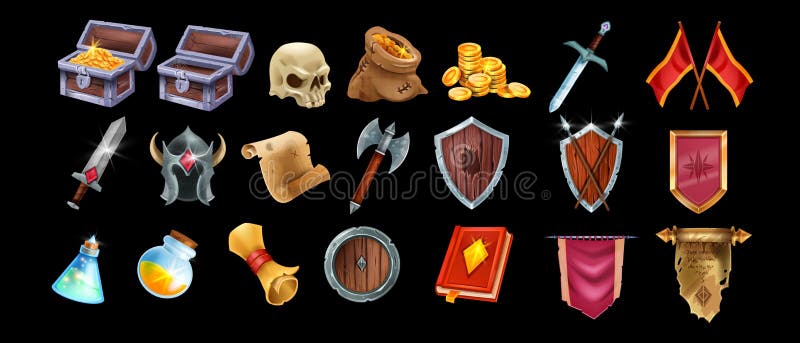
Finding the right icon style often starts with existing libraries. For developers on a budget, Game Icons offers thousands of free, high-quality SVG and PNG icons that are regularly updated. This repository is particularly strong for retro and pixel-art styles. For more polished, modern 3D, or soft UI elements, platforms like Icons8 provide curated collections that fit the 2026 aesthetic trends, often with customization options to match specific brand colors.
As an Amazon Associate, we may earn from qualifying purchases.
Where to find free and premium assets
Building a high-conversion icon set starts with knowing where to look. The market is split between community-driven repositories and curated commercial libraries. Choosing the right source depends on your budget and the specific visual style you need for 2026.
Free Community Resources
For developers on a tight budget, open-source libraries offer a solid foundation. These platforms rely on community contributions, meaning quality varies, but the volume is immense. They are ideal for prototyping or games that embrace a raw, indie aesthetic.
- Game-Icons.net provides thousands of free SVG and PNG icons. The collection is organized intuitively, with new symbols added weekly. It is a go-to for functional, readable UI elements that don't distract from gameplay.
- Itch.io hosts a vast marketplace where many creators offer free assets. Searching for "indie" and "icons" reveals pixel-art status effects and UI kits that capture a nostalgic feel. These assets often come with explicit permission for commercial use, provided you check individual licenses.
- The Noun Project allows you to browse free SVG and PNG images. While the free tier requires attribution, it offers a massive library of generic symbols like axes, shovels, and arrows that can be customized to fit your game's theme.
Premium Asset Libraries
When consistency and polish are critical, premium libraries save time. These platforms offer cohesive design systems, ensuring all icons share the same stroke width, color palette, and visual weight. This uniformity directly impacts perceived quality and conversion rates.
- Icons8 features a dedicated "Indie Games" set. You can customize colors and sizes before downloading, ensuring the icons match your brand guidelines. The quality is high enough for polished mobile titles or Steam storefronts.
- Unity Asset Store and Unreal Engine Marketplace are essential for engine-specific workflows. They offer icons that are already integrated into the editor, reducing technical friction. Look for packs that include source files for easy modification.
Comparison of Sources
Use this table to quickly decide which platform fits your project needs.
| Source | Cost | Format | Best For |
|---|---|---|---|
| Game-Icons.net | Free | SVG, PNG | Functional UI & prototyping |
| Itch.io | Free/Paid | PNG, Sprite Sheets | Pixel art & niche styles |
| Icons8 | Freemium | SVG, PNG, 3D | Customizable, polished sets |
| Noun Project | Free (Attribution) | SVG, PNG | Generic symbols & icons |
| Unity Asset Store | Paid | Unity Prefabs | Engine-integrated workflows |
Store Visibility Design Rules
Your game icon is the first thing a player sees in a crowded store listing, and it needs to communicate your game’s identity instantly. At thumbnail size, complex details vanish, leaving only the core shape and color palette to do the heavy lifting. To ensure your icon pops, you must prioritize high contrast and simplified geometry over artistic nuance.
Start by testing your icon at 32x32 pixels. If the central subject becomes a muddy blob, the design is too intricate. Use a bold silhouette with a strong primary color that contrasts sharply with the background. This visual clarity ensures your game stands out against the white or dark backgrounds of major storefronts without relying on text, which is often illegible at small sizes.
The 2026 trend favors clean, vector-like aesthetics even in pixel art, where edges are crisp and shadows are minimal. This style not only looks modern but also scales effortlessly across different devices.
Common questions about game icons
Designers often confuse broad cultural trends with specific UI/UX requirements. Here are direct answers to frequent queries about indie game iconography and asset sourcing.
No comments yet. Be the first to share your thoughts!