
Vr icon needs for 2026
VR development requires more than just high-poly models. As we move toward Unity 2026, icons need to be as sharp as the environments they sit in. If an interface feels flat or blurry, it breaks the sense of presence that makes VR work.
VR presents unique interface challenges. Traditional 2D interfaces can feel flat and disconnected, while the need for clear, readable visuals at varying distances requires a different approach. Dedicated VR icons aren’t simply scaled-up 2D assets, they’re designed with the spatial considerations of virtual reality in mind. This means thinking about how an icon will appear when the player is looking at it from different angles and distances.
The rise of higher resolution VR headsets like the Varjo Aero and the upcoming Meta Quest 3 (and beyond) only amplifies this need. Players are now able to discern finer details, meaning that low-resolution or poorly designed icons will become even more noticeable and detract from the overall experience. Investing in premium icon collections is about investing in polish and immersion.
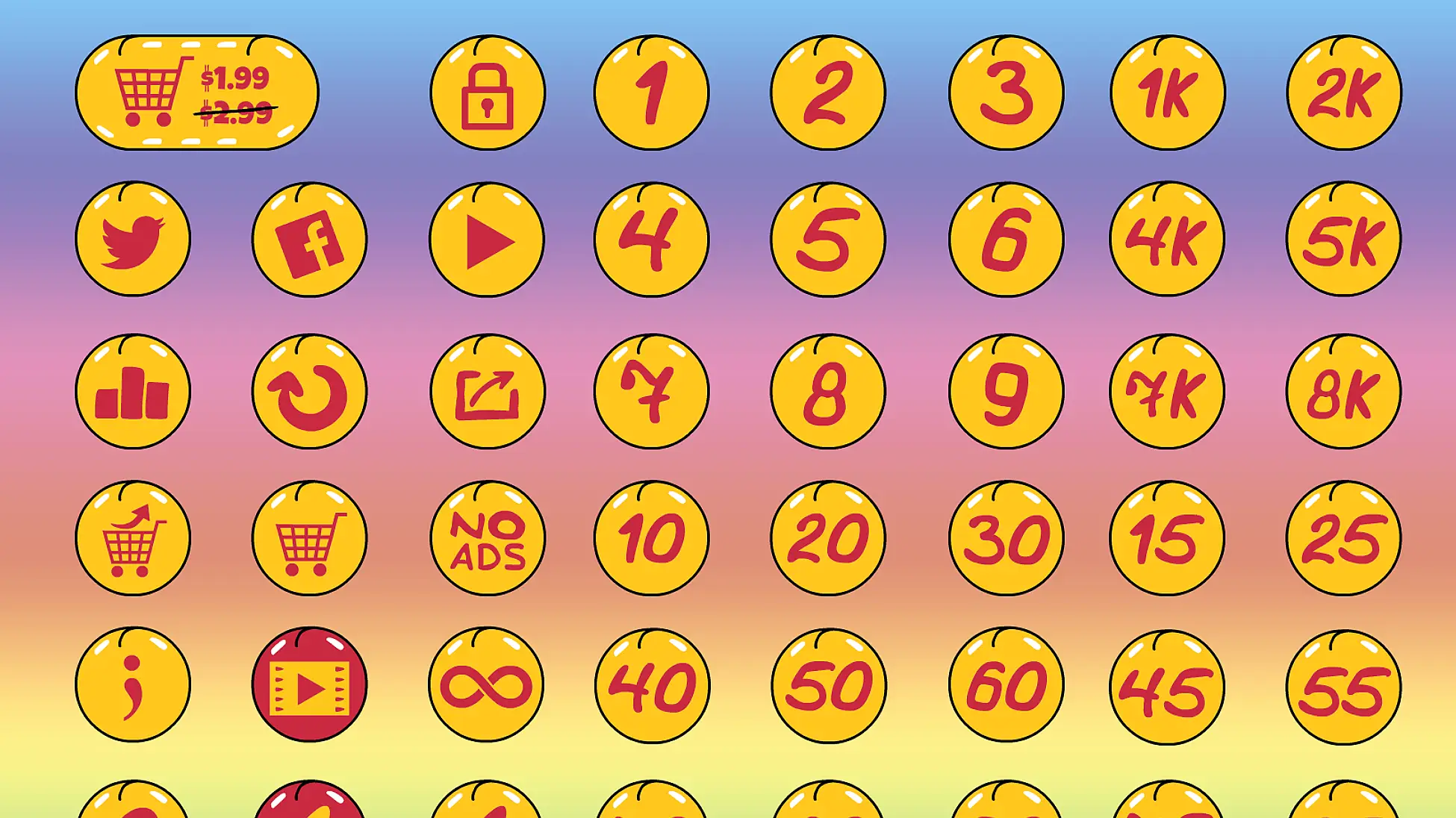
Premium icon packs for Unity 2026
These 10 premium collections work well for VR because they use high-resolution source files or vector formats. I picked these based on their ability to scale without pixelation in the Unity 2026 beta and their general legibility in a headset.
Keep in mind that "compatibility" can mean different things. Some collections will be specifically tested with Unity 2026 beta builds, while others will simply be built using industry-standard file formats and workflows that should ensure seamless integration. I'm also noting whether the design seems to account for VR scale – a crucial element for readability.
- Sci-Fi Command Center Icons (Asset Forge): 85 futuristic icons in PNG and SVG. The clean lines stay sharp when players lean in close to a virtual console.
- Fantasy Inventory Pack (GameDev Market): Over 120 hand-painted icons covering weapons, armor, potions, and more. Perfect for RPGs and adventure games. Supports PNG and PSD files. Icons have a slightly larger scale, making them suitable for VR.
- Horror UI Elements (Itch.io): 60+ dark and gritty icons designed for horror and suspense games. Includes PNG and AI files. The muted color palette works well in low-light VR environments.
- Minimalist Interface (GraphicRiver): A versatile collection of 100+ simple, flat icons. PNG, SVG, and EPS formats are included. Great for a clean, modern look in any genre. May require scaling up for optimal VR viewing.
- Steampunk Gadget Icons (Unity Asset Store): 75 detailed icons inspired by steampunk aesthetics. PNG and PSD formats. Good for games with a Victorian or industrial theme. The intricate details hold up well in higher resolution VR.
- Cyberpunk UI Kit (TurboSquid): 90+ icons with a neon-lit, cyberpunk vibe. PNG and SVG files are available. Excellent for games set in dystopian futures. Designed with a bold visual style that pops in VR.
- Medieval Warfare Icons (Creative Market): 50+ icons depicting weapons, armor, and medieval objects. PNG and vector formats. Suitable for historical RPGs and strategy games.
- Nature & Exploration Icons (Envato Elements): A collection of 70+ icons representing plants, animals, and natural elements. PNG and SVG formats. Great for adventure and survival games. Icons have a softer style which can be nice in VR.
- Abstract Geometric Icons (UI8): 80+ abstract icons with a modern, geometric design. PNG and SVG formats. Useful for creating unique and stylish interfaces. Might need some tweaking for VR clarity.
- Cartoon Adventure Icons (Asset Store): 65 brightly colored, cartoon-style icons. PNG and PSD formats. Ideal for family-friendly games and casual experiences. The bold colors and simple shapes are very readable in VR.
Featured Products

Comprehensive guide to VR and XR technologies · Focus on enterprise applications and insights · Valuable for understanding the current and future landscape of immersive tech
This guidebook offers essential insights into the VR/AR enterprise world, providing a foundational understanding for developers creating immersive experiences.

Icon set based on Dungeons & Dragons' Ravnica setting · Includes iconic symbols from various guilds · Ideal for fantasy-themed games or projects
Bring the rich lore of D&D's Ravnica to your game with these detailed and thematic icons, perfect for fantasy VR adventures.
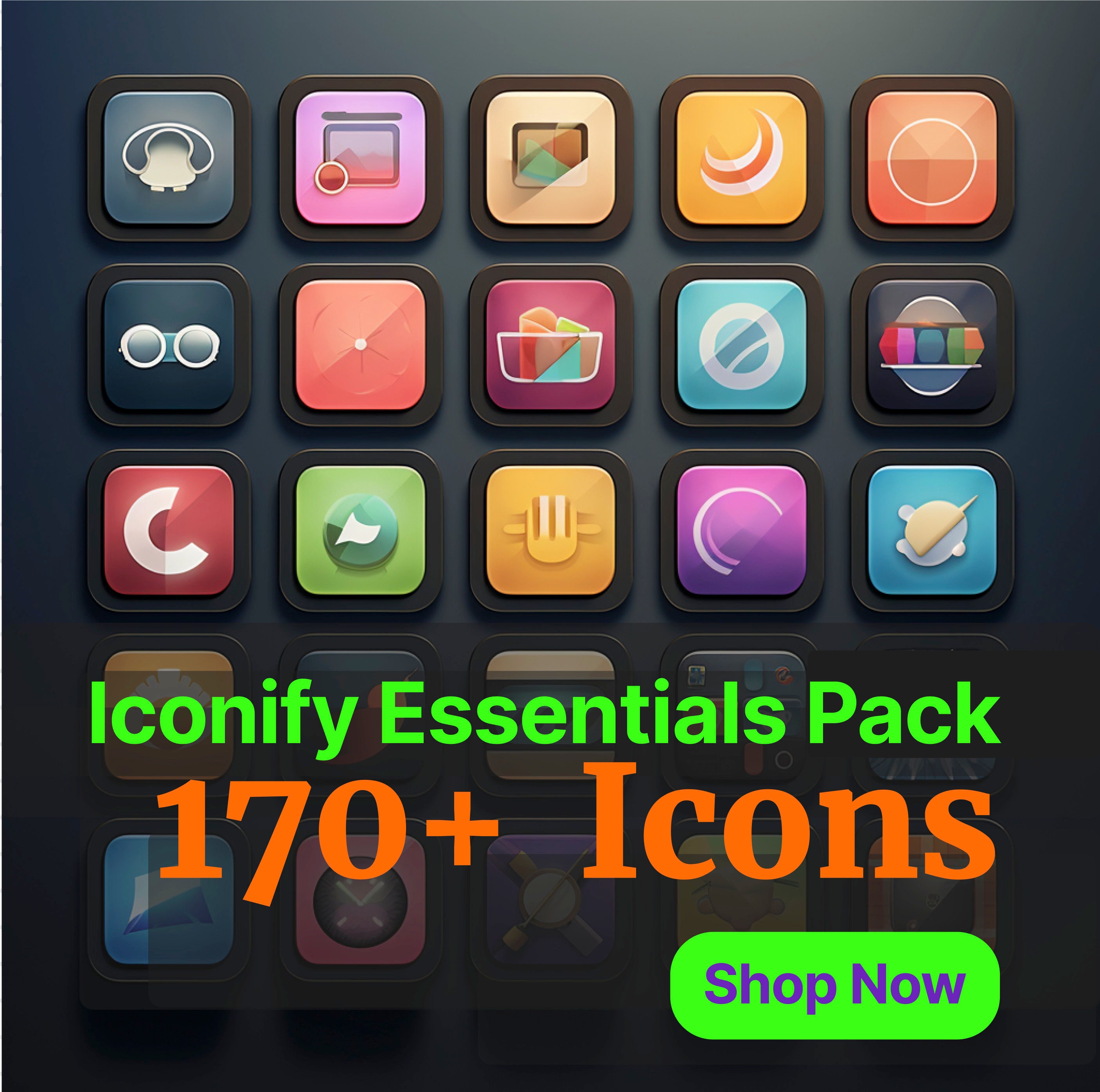
Modern and clean UI icon set · Designed for Unity game development · Includes a wide variety of common UI elements
Elevate your game's interface with this versatile bundle of modern UI icons, ensuring a sleek and intuitive user experience in Unity.
Space-themed icons for exploration and sci-fi · Suitable for Unity projects · Features elements like planets, ships, and futuristic interfaces
Embark on an interstellar journey with this collection of space exploration icons, perfect for crafting captivating sci-fi VR environments in Unity.

Art and lore book for Cyberpunk 2077 · Features concept art, character designs, and world-building details · Provides a deep dive into the game's visual style
Immerse yourself in the dystopian future of Cyberpunk 2077 with this visually rich compendium, offering inspiration for gritty, futuristic game assets.
As an Amazon Associate I earn from qualifying purchases. Prices may vary.
Matching icons to your world
The aesthetic of your icons should complement the overall style of your VR game. A realistic icon set might feel at home in a flight simulator or a medical training application, where a sense of authenticity is important. Conversely, a more stylized or cartoonish approach would be a better fit for a fantasy adventure or a whimsical puzzle game.
Consistency is key. Using a mismatched set of icons can break immersion and create a jarring experience for the player. It’s best to choose a collection with a cohesive visual style and stick to it throughout your game. Pay attention to things like line weight, color palette, and overall level of detail.
Color also plays a significant role, especially in VR. Bright, saturated colors can be visually appealing, but they can also be distracting or cause eye strain. Muted tones and a limited color palette can often be more effective in creating a comfortable and immersive experience. Consider how colors will appear under different lighting conditions within your VR environment.
File formats and integration
When it comes to VR game icons, PNG and SVG are the most common and versatile file formats. PNG offers excellent quality and supports transparency, making it ideal for icons with complex shapes. SVG (Scalable Vector Graphics) is a vector format, meaning that icons can be scaled up or down without losing quality – a huge benefit in VR where players may be viewing icons from varying distances.
Importing icons into Unity is straightforward. Simply drag and drop the image files into your project’s Assets folder. You can then use Unity’s UI system to display the icons in your game. Consider using the `Image` component for displaying PNG icons and explore options for rendering SVG files if needed. There are several plugins available on the Asset Store that can help with SVG support.
Optimizing icons for performance is crucial, especially in VR. Use appropriate image compression settings to reduce file size. Consider using texture atlases to combine multiple icons into a single texture, which can reduce draw calls. It’s also important to use appropriate UI elements and ensure that icons are not unnecessarily complex.
- PNG: Good quality, transparency support.
- SVG: Scalable, vector-based, ideal for varying distances.
- PSD: Editable in Photoshop, useful for customization (but larger file sizes).
Advanced icon techniques
To truly elevate your VR game’s UI, consider going beyond static icons. Subtle animations can draw the player’s attention to important elements, providing visual feedback and making the interface feel more responsive. A simple pulse or glow effect can be surprisingly effective.
Incorporating 3D elements into your icons can add depth and realism, but it's a more complex undertaking. You’ll need to model and texture the 3D elements, and ensure they integrate seamlessly with the rest of your UI. Shaders can also be used to create unique visual effects, such as glowing outlines or dynamic textures.
Most importantly, test your icons in a VR environment. What looks good on a flat screen may not translate well to a 3D space. Pay attention to readability, clarity, and overall visual impact. Get feedback from other developers and playtesters to ensure your icons are effective and intuitive.


No comments yet. Be the first to share your thoughts!