
The visual shift in indie games
The pixel art nostalgia that defined the indie renaissance of the 2010s is receding. In 2026, high-fidelity assets have become the baseline expectation for premium indie titles. Players no longer accept stylized abstraction as a default constraint of small budgets; they demand the same visual fidelity found in AAA releases.
This shift is driven by accessible technology. Modern engines and AI-assisted asset pipelines allow small teams to produce photorealistic lighting, complex particle effects, and detailed environmental storytelling without massive studios. The aesthetic barrier to entry has collapsed, forcing indie developers to compete on visual polish to capture player attention.
Consequently, the definition of "indie" is no longer about low-resolution graphics. It is about creative scope and narrative risk. Premium game graphics now serve as the primary hook for player retention, establishing an immediate emotional connection that simpler art styles struggle to maintain in a crowded market.
Character sprite packs as retention tools
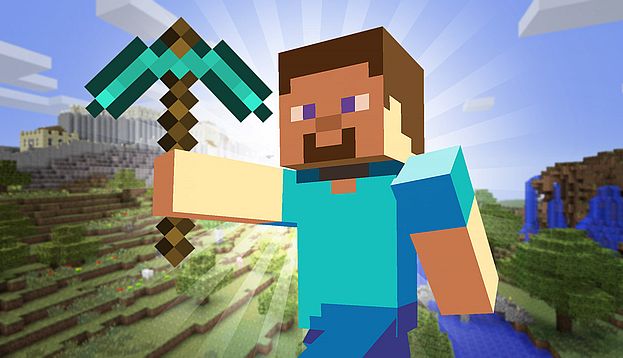
Character sprite packs function as the visual backbone of player retention, particularly in 2D and stylized 3D titles. A cohesive set of high-quality sprites does more than just look good; it reduces development friction by providing a unified art direction that keeps the team aligned. When characters move with fluid, consistent animations, players remain immersed in the game world, directly impacting their willingness to return.
Premium sprite packs eliminate the jarring visual shifts that often break immersion. By offering rigging support and 4K resolution assets, these packs ensure that every idle animation, attack frame, and dialogue portrait maintains a consistent quality standard. This visual consistency signals professionalism and care, qualities that players associate with long-term value.
The impact on retention is measurable. Players are less likely to churn from a game where characters feel alive and responsive. High-fidelity sprites reduce the cognitive load required to read character actions, making the gameplay experience smoother and more engaging. This is why many successful indie and AA titles invest heavily in sprite quality rather than chasing photorealism.
Key Features in Modern Sprite Packs
-
Rigging Support
Pre-rigged skeletons allow for smooth skeletal animation without manual frame-by-frame drawing. -
4K Resolution Assets
High-resolution textures ensure characters look crisp on modern displays and support upscaling. -
Cohesive Art Direction
Unified color palettes and style guides prevent visual dissonance between different character types. -
Idle Animation Variations
Subtle movement loops keep characters feeling alive even when the player is not interacting.
Indie game icons that stand out
Storefronts are crowded marketplaces where players make split-second decisions. For indie developers, high-fidelity icons and UI elements are not just aesthetic choices; they are critical conversion tools. A premium aesthetic signals quality and polish before the player even clicks "Play." This visual-first approach directly impacts click-through rates (CTR) by differentiating a title from the sea of generic flat assets.
Consider the difference between a standard flat icon and a 3D-rendered asset. The former often blends into the background, while the latter catches the eye with depth, lighting, and texture. When players see detailed character models or atmospheric scenes in the icon, they perceive the game as more immersive and professionally crafted. This perception reduces the perceived risk of trying an unknown indie title.
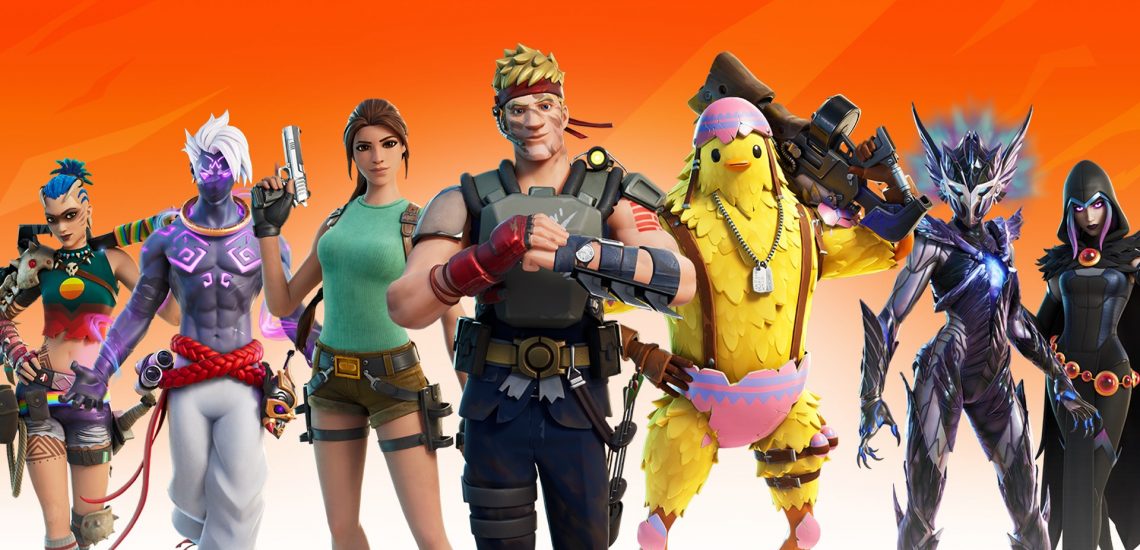
Investing in high-resolution UI elements pays off in visibility. A crisp, well-composed icon acts as a visual hook, pulling players away from competitors with simpler graphics. By prioritizing premium visual assets, indie developers can elevate their store presence and drive higher engagement, proving that visual fidelity is a key driver of player retention and acquisition.
Essential game development resources
High-fidelity indie development relies on access to professional-grade assets. Premium game graphics define player retention, but achieving AAA-level visuals without a massive studio budget requires the right tools. The gap between indie and AAA aesthetics has narrowed significantly, provided developers leverage modern asset pipelines and marketplaces designed for high-end rendering.
Start with specialized marketplaces that curate verified, production-ready content. Unreal Engine Marketplace and Unity Asset Store remain the primary hubs, but niche platforms like ArtStation Marketplace offer higher-end, stylized assets often created by industry veterans. For 3D modeling, Blender remains the free standard, while Maya and 3ds Max are the enterprise norms for complex rigging and animation. Pairing these engines with robust texture libraries—such as Substance 3D Painter—ensures materials react realistically to dynamic lighting.
The following resources provide the core toolkit for building visually compelling worlds:


As an Amazon Associate, we may earn from qualifying purchases.
Beyond software, community knowledge bases are invaluable. Discord servers for specific engines often share custom shaders and optimization techniques that aren't yet documented in official manuals. Following technical artists on platforms like ArtStation or Twitter provides insight into current rendering trends, such as the shift toward physically based rendering (PBR) workflows. These resources collectively lower the barrier to entry, allowing small teams to compete on visual merit alone.
Future visual standards for 2026
The gap between AAA studios and indie developers is closing rapidly. By 2026, the definition of premium game graphics will shift from raw polygon counts to intelligent rendering. AI-assisted workflows allow smaller teams to generate complex textures, lighting maps, and environmental details that previously required massive departments. This democratization means indie titles can now compete visually with major releases, keeping players engaged through high-fidelity immersion.
Real-time ray tracing and advanced upscaling technologies are no longer exclusive to flagship consoles. These tools enable dynamic global illumination and realistic reflections in smaller, narrative-driven games. When combined with stylized art direction, these technical upgrades create a cohesive visual identity that feels polished and intentional. The result is a retention strategy where the visual experience itself becomes the primary hook.
As these standards become the baseline, players will expect consistent quality across all genres. Games that fail to meet these visual expectations risk losing attention in a crowded market. The focus will remain on how graphics serve the gameplay loop, ensuring that every visual asset contributes to the player's emotional investment and long-term engagement.
Common questions about game graphics
Players often look for the visual ceiling of current technology to decide which titles offer the most immersive experience. The conversation usually centers on which engines and lighting techniques define the current standard for premium graphics.
No comments yet. Be the first to share your thoughts!