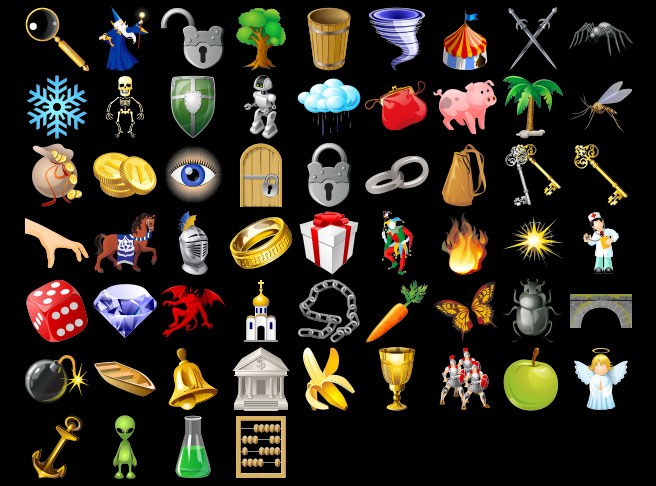

Why icon quality matters for indie games
Your game’s icons are the first point of contact between the player and your interface. In a crowded market, a polished set of icons signals professionalism, while inconsistent or generic assets can make a well-made game feel amateurish. For indie developers, these small visual elements carry the weight of brand identity and user experience.
Professional-grade icons do more than look good; they improve UI clarity. When players can instantly recognize a "settings" gear, a "quest" scroll, or a "health" heart, they spend less time learning your interface and more time engaging with your gameplay. This clarity reduces friction and keeps the player immersed in your world.
The choice between free and premium assets often comes down to consistency and licensing. Free icon libraries like Game-icons.net or Flaticon offer vast collections, but mixing styles from different creators can result in a disjointed visual language. Premium packs, such as those found on CraftPix, provide a unified style guide, ensuring every icon fits your game’s aesthetic.
For commercial projects, licensing is a critical consideration. Many free icons are released under Creative Commons licenses that require attribution or restrict commercial use. Premium assets typically come with clear, commercial-friendly licenses, allowing you to use them without legal ambiguity. Investing in high-quality, legally sound icons is a small price to pay for a professional foundation.
Premium game icon packs for commercial projects
When free assets don't match your game's specific aesthetic, premium icon packs offer consistency and commercial safety. For indie developers, the primary value of a paid pack lies in its licensing clarity and the coherence of its visual style across hundreds of assets. A unified set reduces the cognitive load of asset management and ensures your UI feels polished rather than assembled from disparate sources.
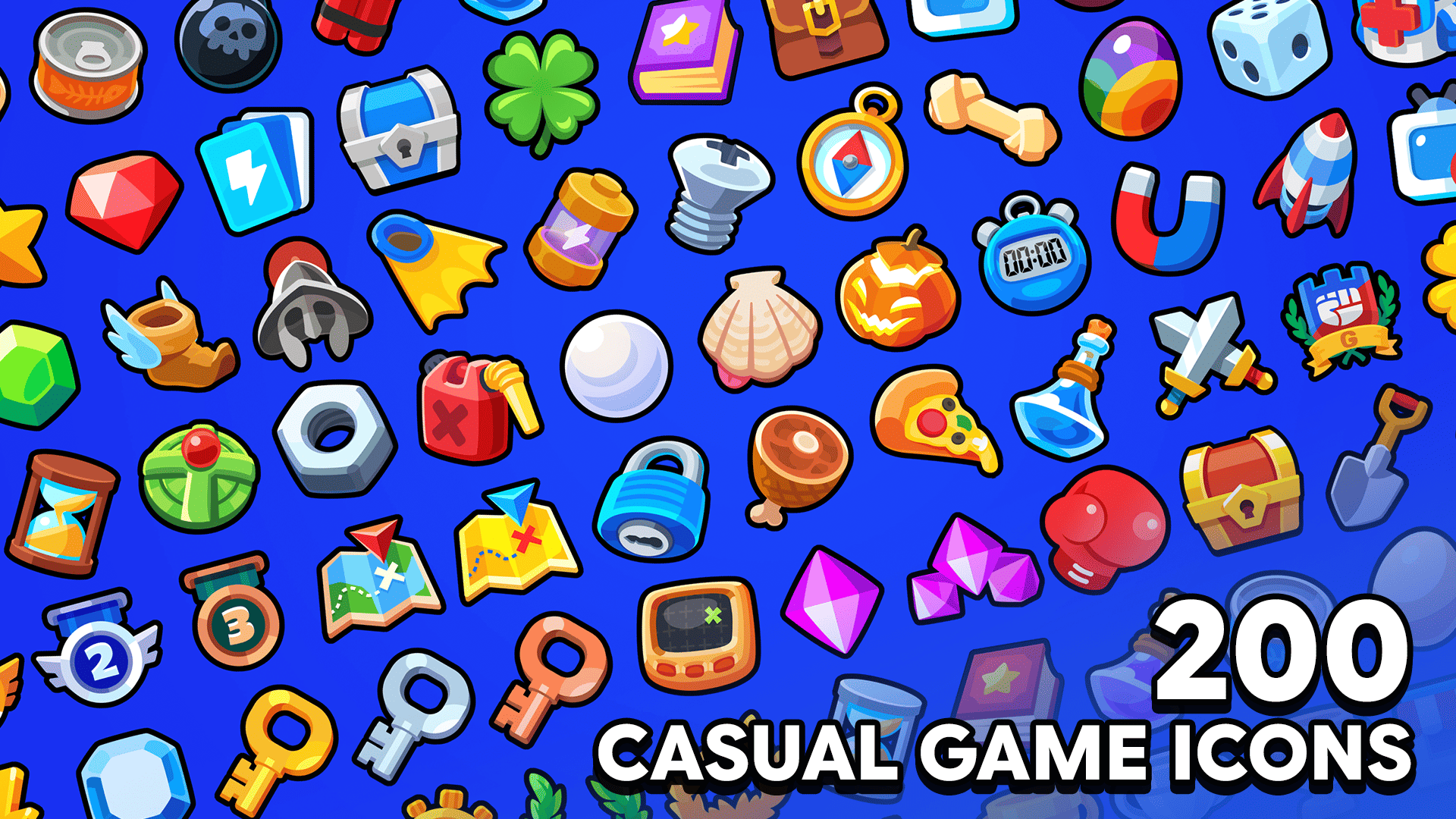
The following selections represent verified commercial products available on Amazon. These packs are curated for their relevance to indie game development, focusing on variety, format support, and professional quality.



As an Amazon Associate, we may earn from qualifying purchases.
Key features and licensing
Before integrating these assets, verify the specific license terms. Most premium packs grant commercial rights for unlimited projects, but some may restrict resale as standalone assets or require attribution. Look for packs that provide both vector (SVG) and raster (PNG) files to ensure scalability across different screen resolutions.
| Format | License | Style Variety |
|---|---|---|
| SVG/PNG | Commercial | High |
| PNG Only | Commercial | Medium |
| Vector | Royalty-Free | High |
How to choose the right icon style
Selecting game icons for your indie project is less about finding the "best" image and more about finding the right system. Your icons are the visual shorthand for your game’s mechanics; they need to communicate function instantly while fitting the aesthetic you’ve built. A mismatched style can break immersion or confuse players, so treat this selection process as a technical specification rather than an aesthetic preference.
Start by defining the resolution and format requirements of your engine. Vector formats like SVG are ideal for UI elements that need to scale across different screen densities, while raster formats like PNG or WebP are often better for static assets where compression artifacts are less noticeable. Ensure your chosen pack supports the exact pixel dimensions you need, typically 32x32, 64x64, or 128x128 for 2D games, to avoid blurry upscaling or awkward cropping.
Licensing is the most critical practical constraint. Many "free" icon sets on platforms like Flaticon or DeviantArt require attribution or restrict commercial use. For a commercial indie release, prioritize sources that offer clear commercial licenses, such as the free assets on Game-icons.net or the premium packs on CraftPix.net. Always verify if the license allows modification, as you will likely need to recolor or tweak icons to match your specific UI theme.
Style consistency matters more than individual quality. A set of icons should share the same line weight, corner radius, and perspective. If you are building a retro platformer, pixel-perfect consistency is key. For a modern casual game, flat design with subtle shadows works best. Mixing styles—such as combining detailed 3D icons with flat 2D buttons—creates visual noise that distracts from gameplay. Stick to a single cohesive set to maintain a professional polish.
Where to find reliable game icon resources
Indie developers need assets that look polished without breaking the bank or legal boundaries. The best game icon downloads come from platforms that curate quality and clearly define usage rights. Avoid random image searches; instead, stick to specialized repositories that understand the technical needs of game development.
Free icon libraries with clear licensing
Game-icons.net is a standout resource for developers who need clean, SVG-based icons. The site hosts over 4,000 symbols organized by category, with new additions added weekly. The licensing is straightforward: most icons are available under Creative Commons 3.0, meaning you can use them commercially as long as you provide attribution. This makes it an ideal starting point for prototyping or budget-conscious projects.
Premium packs for consistent art direction
When you need a cohesive set that matches your game’s specific aesthetic, premium packs from CraftPix are a reliable choice. They offer high-quality icons for fantasy, RPG, and casual genres, ensuring visual consistency across your UI. While these cost money, the investment saves time on customization and guarantees that the assets are ready for commercial use without legal ambiguity.
Community-driven platforms
DeviantArt remains a valuable source for unique, artist-driven icon packs. Collections like the "Games icons pack" by Icons512 offer creative variety that stock sites often lack. However, you must verify the license for each individual artist’s work. Some creators allow free use with attribution, while others restrict commercial application. Always check the specific terms before integrating community assets into your game.
Choosing the right source depends on your budget and timeline. Free libraries offer speed and flexibility, while premium packs provide polish and consistency. Regardless of where you download, always document the license terms to protect your project.
No comments yet. Be the first to share your thoughts!