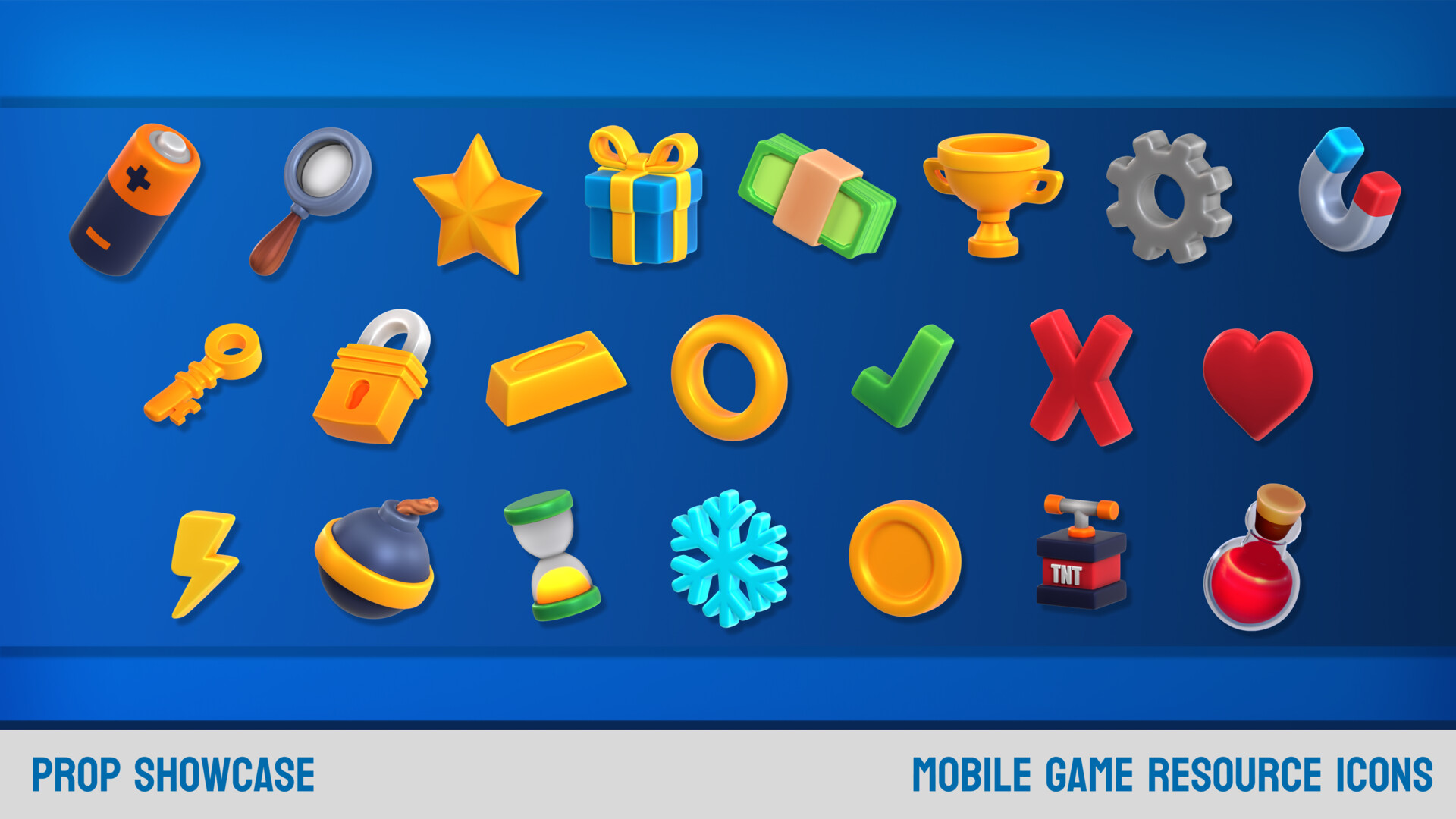

Why icon quality matters for indie games
Your game icon is the first thing a player sees in a crowded digital storefront. It acts as the visual handshake before they ever read your description or watch a trailer. A polished, high-contrast icon signals professionalism and attention to detail, instantly separating your title from the sea of amateur releases that clutter app stores and Steam shelves.
High-quality assets do more than look good; they directly influence click-through rates and subsequent player retention. When an icon clearly communicates the game's genre and mood, it attracts the right audience—players who are actually interested in your specific mechanics. This targeted visibility reduces bounce rates and builds trust before the first download.
For indie developers, investing in premium icon packs or hiring a specialist pays off by maximizing the return on every marketing dollar spent. Cheap, inconsistent, or low-resolution assets can make a well-made game feel unfinished, causing potential players to scroll past. Prioritizing visual clarity and brand consistency in your iconography is a foundational step in building a successful indie title.
Top character sprite packs for 2D games
Finding character sprite packs that balance artistic quality with technical usability is a common bottleneck for indie developers. A good sprite pack does more than provide pretty images; it offers a consistent visual language and animation rig that integrates directly into game engines like Unity or Godot. When evaluating these assets, look for clean grid layouts, transparent backgrounds, and animation frames that maintain proportional consistency across all states.
The market includes both free community resources and premium bundles designed for commercial use. Premium packs often include additional features like multiple color palettes, idle loops, and attack variations that save weeks of manual animation work. For developers on a tight schedule, these bundles act as a force multiplier, allowing you to focus on gameplay mechanics rather than drawing every frame from scratch.
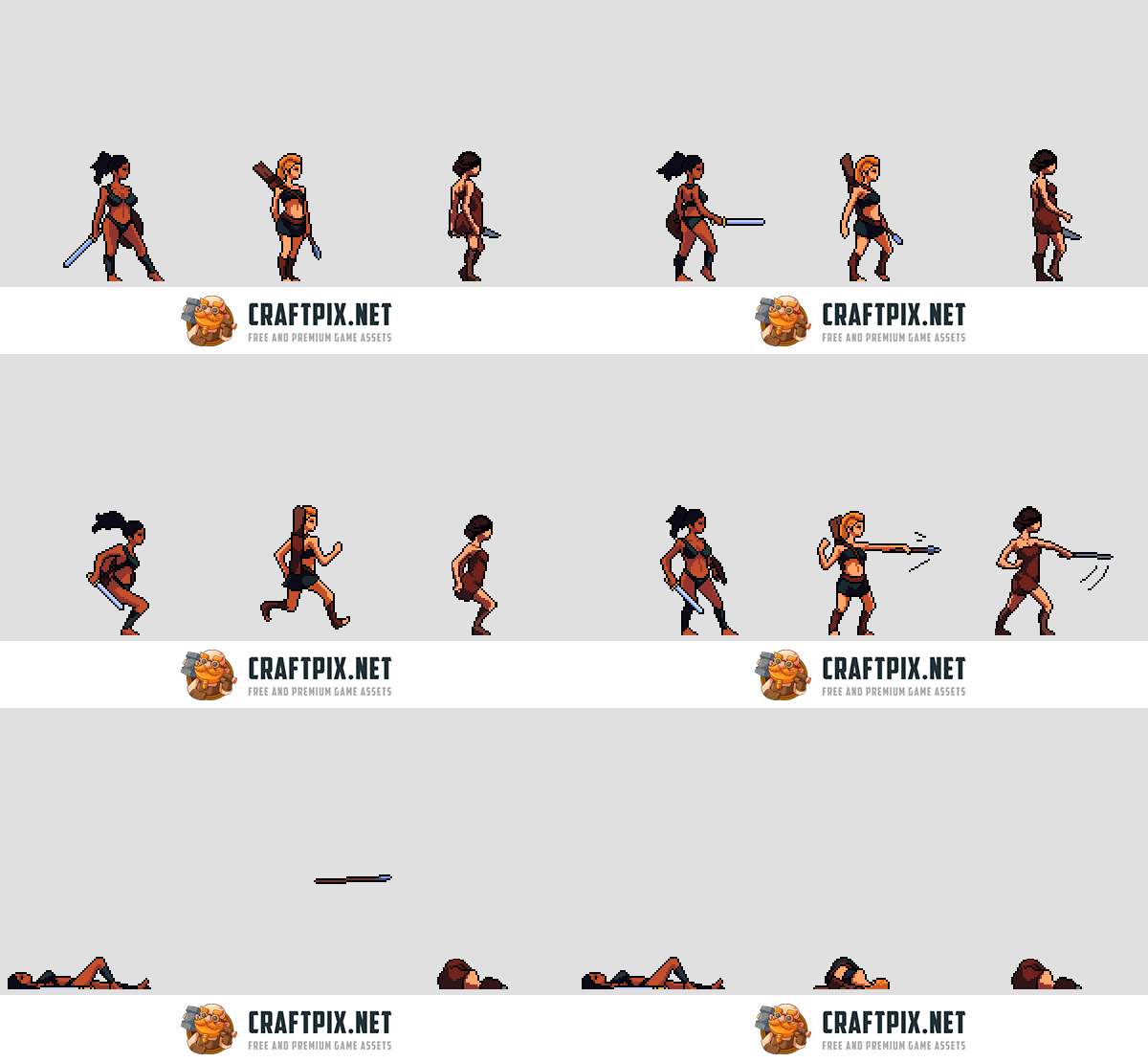
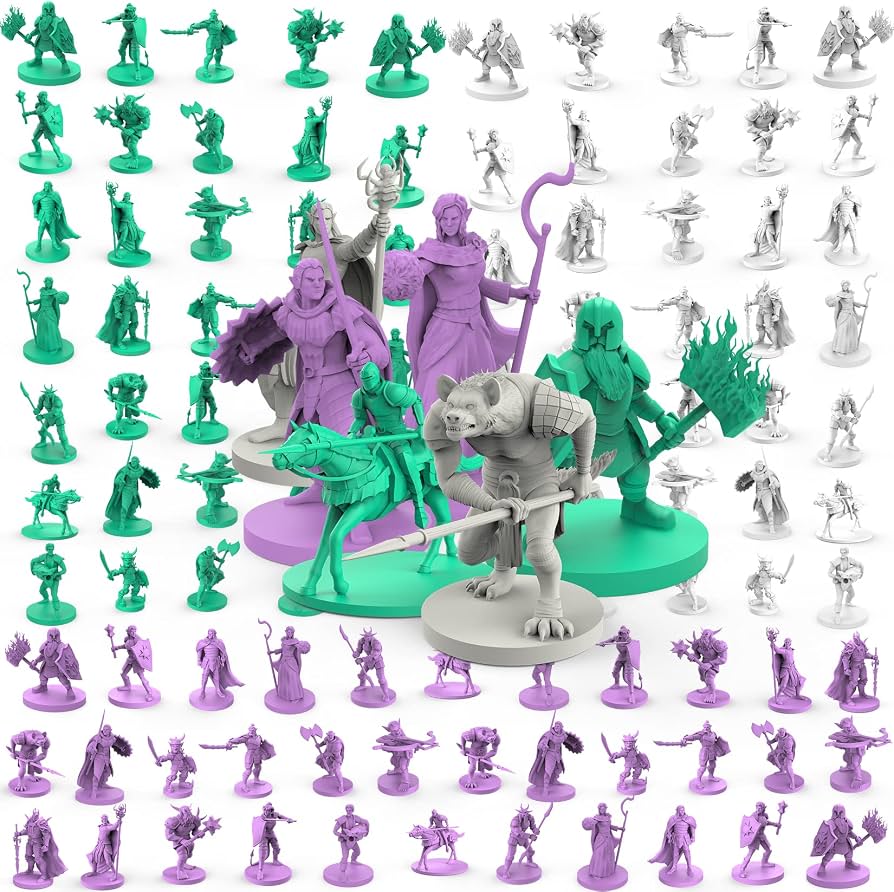
Below are some of the most highly rated character sprite packs available on Amazon. These selections prioritize versatility, covering genres from platformers to RPGs, and are chosen for their positive feedback regarding animation smoothness and asset organization.

As an Amazon Associate, we may earn from qualifying purchases.
Best resources for game icon downloads
Finding the right visual assets is often the bottleneck for indie developers. The market offers a mix of community-driven repositories and commercial libraries, each serving different needs regarding style consistency and licensing. Below, we compare the most reliable platforms for sourcing game icons, balancing free access with premium quality.
Top platforms compared
The following table outlines the core differences between the leading resources. Flaticon offers the largest volume but requires careful filtering for style consistency. Game-icons.net provides a cohesive, open-source aesthetic ideal for retro or minimalist projects. Icons8 delivers professional-grade UI sets with extensive customization options.
| Platform | Cost | Formats | License |
|---|---|---|---|
| Flaticon | Freemium | SVG, PNG, EPS | Free with attribution |
| Game-icons.net | Free | SVG, PNG | CC-BY 3.0 |
| Icons8 | Freemium | SVG, PNG, GIF | Free with attribution |
Visual reference
When evaluating icon sets, consistency in line weight and color palette is critical for a polished game interface. The image below illustrates the variety available in standard free icon repositories, highlighting the importance of selecting a set that matches your game's specific art direction.
Key recommendations
For developers seeking a vast library of generic gaming symbols, Flaticon remains the industry standard. Its vector formats allow for easy resizing without quality loss, which is essential for responsive UI design. However, the sheer volume means you must manually curate sets to maintain a unified look.
If you prefer a pre-vetted, cohesive aesthetic, Game-icons.net is the superior choice. The entire library shares a consistent visual language, making it easy to build a complete HUD without mixing styles. This is particularly useful for indie projects with limited art resources.
For modern, flat-design games, Icons8 offers extensive style variations. You can adjust colors and sizes directly in their editor before downloading, ensuring the icons fit your brand guidelines. This tool saves time on post-processing and ensures a professional finish.
Related tools
Beyond icon libraries, many developers also need complementary assets. The following products are popular among indie creators for expanding their visual toolkit.


As an Amazon Associate, we may earn from qualifying purchases.
Premium game graphics for polished interfaces
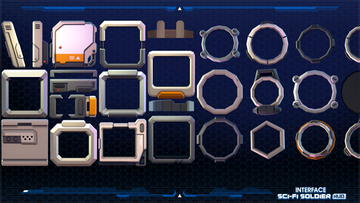
Free assets often serve as placeholders, but they rarely convey the polish needed for a commercial release. Premium game graphics provide consistency in style, lighting, and resolution that free packs typically lack. For indie developers, investing in high-quality UI elements, buttons, and menus signals professionalism to players before they even press play. A cohesive visual language reduces cognitive load, allowing users to navigate menus intuitively without deciphering inconsistent iconography.
When selecting premium bundles, look for assets that include multiple states (hover, active, disabled) and scalable formats. Vector-based SVG icons ensure crisp display on high-DPI screens, while raster PNG sets should offer transparent backgrounds and retina-ready resolutions. The best bundles also provide style guides or usage examples, saving hours of manual adjustment. This attention to detail transforms a functional interface into an engaging part of the game experience.
The following Amazon listings highlight popular premium icon packs and UI asset bundles suitable for indie game development. These selections are chosen for their versatility across genres and quality of design.
As an Amazon Associate, we may earn from qualifying purchases.
Choosing the right format for your engine
Selecting the correct file format is less about personal preference and more about how your game engine handles raster data. PNG remains the industry standard for 2D games because it supports alpha transparency without the compression artifacts that plague JPEGs. Most engines, from Unity to Godot, optimize PNG loading for immediate rendering, making it the safest default for sprites and UI elements.
For scalable vector graphics, SVG is ideal if you are building a UI-heavy indie title. Engines like Godot have native SVG support, allowing icons to scale infinitely without pixelation. However, if you are using a traditional engine like Unity, you will often need to convert SVGs to PNGs during the build process, which can add complexity to your workflow.
PSD files are rarely imported directly into a game. They serve as the master source for layered editing in Photoshop. Think of PSD as your raw material library; you export specific layers or flattened versions as PNGs or SVGs for actual use in the engine. Keeping your source files separate ensures you can tweak designs without rebuilding your entire asset pipeline.
Frequently asked questions about game assets
What file formats work best for game icons?
Most indie developers rely on PNG files with transparent backgrounds for immediate integration into engines like Unity or Godot. However, SVG vector icons are increasingly popular for UI elements because they scale without losing clarity. Platforms like Flaticon and Game-icons.net offer both formats, allowing you to choose based on whether you need static pixels or responsive design flexibility.
Can I use free game icons in a commercial project?
Licensing terms vary significantly by source. Many free icons on sites like DeviantArt or IconArchive operate under Creative Commons licenses, which often require attribution to the original artist. Always check the specific license file or terms of service before publishing. Premium packs on CraftPix or IconArchive typically grant broader commercial rights, reducing the legal overhead for your release.
How do I ensure icon consistency across my game?
Consistency comes from using cohesive sets rather than mixing individual assets. Look for packs that define a unified style guide, such as line weight, corner radius, and color palette. For example, the "Games icons pack by Icons512" maintains a specific aesthetic across its collection. Sticking to one artist or style family prevents visual clutter and strengthens your game’s brand identity.
No comments yet. Be the first to share your thoughts!