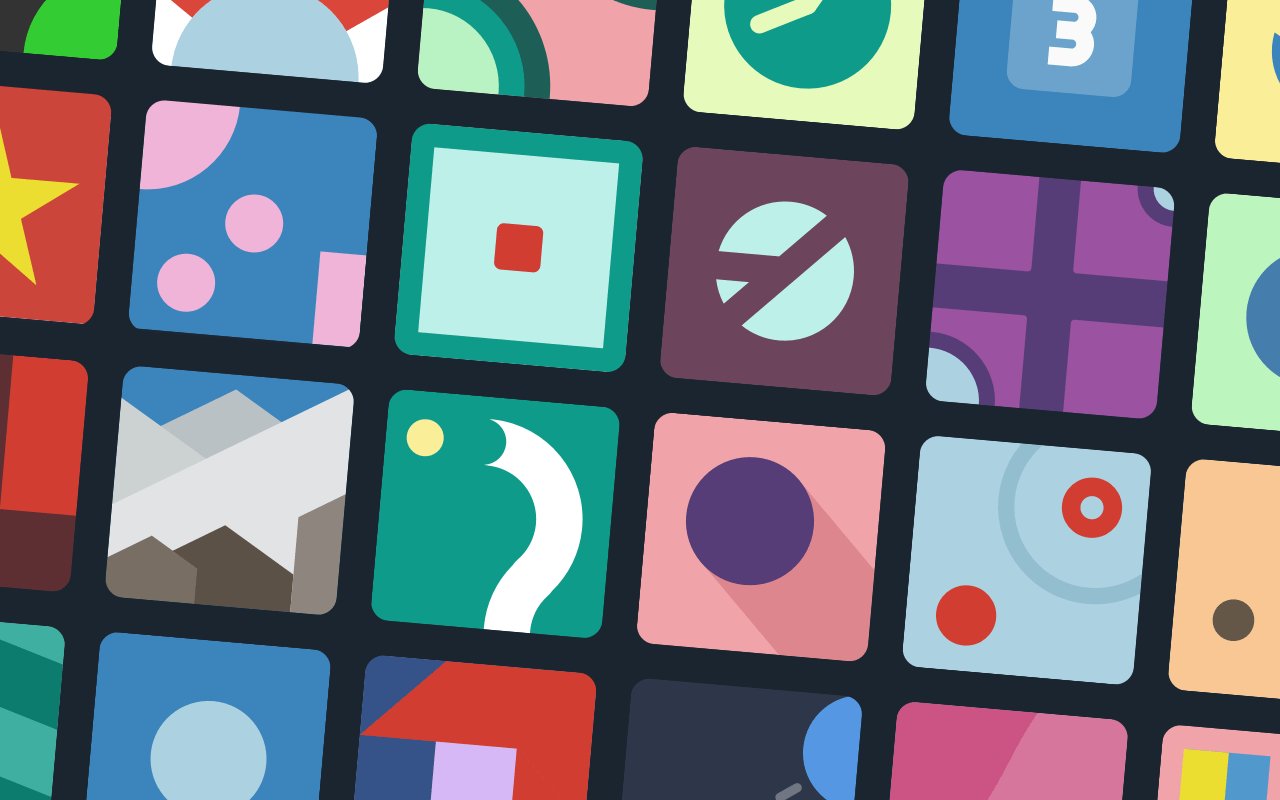

Free icon libraries for quick prototyping
When you are building a prototype, you need assets that work immediately. Game-Icons.net is the industry standard for this. It offers over 4,000 free SVG and PNG icons that are organized into intuitive categories. You can grab a sword, a potion, or a UI button without worrying about licensing friction or complex attribution rules.
The library updates weekly with dozens of new symbols, keeping the collection fresh for modern game aesthetics. Whether you need retro pixel art or clean vector shapes, the variety is extensive. This makes it easy to maintain visual consistency while you iterate on your game mechanics.
Other resources like Icons8 and itch.io also offer curated sets. Icons8 provides customizable indie game icons for titles like The Binding of Isaac, while itch.io features community-created pixel-art status icons and UI effects. These platforms are great for finding specific styles that match your game’s unique identity.
Premium Character Sprite Packs
When you are ready to move beyond placeholder art, premium sprite packs offer a significant upgrade in polish. These bundles provide cohesive art styles, complete animation cycles, and professional-grade details that save hours of manual drawing. For indie developers, investing in high-quality assets often means the difference between a prototype and a finished product.
These packs are designed for immediate integration. You get idle loops, walk cycles, and attack frames that match perfectly in style and resolution. This consistency keeps your game’s visual identity tight, allowing players to stay immersed without being distracted by mismatched assets.
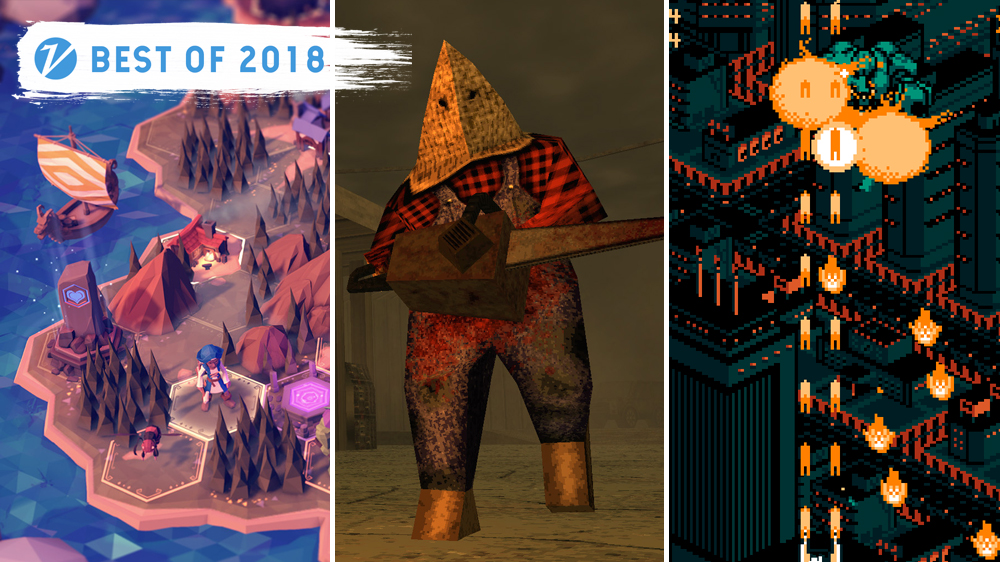
Below are some of the best options available for purchase, focusing on versatility and visual impact.
Recommended Premium Sprite Bundles
-
Stardew Valley-Style Farming Sprites
Perfect for cozy games. Includes detailed crop growth stages, seasonal variations, and high-res character animations with smooth transitions. -
Cyberpunk Neon Character Packs
Ideal for sci-fi or action games. Features glowing UI elements, dark-mode compatible characters, and futuristic weapon sprites with particle effects. -
Medieval Fantasy RPG Assets
A classic choice for adventure games. Contains armor sets, sword variations, and NPC dialogue frames with a hand-drawn aesthetic.

As an Amazon Associate, we may earn from qualifying purchases.
UI elements and status indicators
Good UI icons act like a universal language between your game and the player. When health, mana, or inventory items are instantly recognizable, players stay immersed in the action instead of squinting at blurry symbols. Clarity beats creativity here; a simple red heart or a crisp potion bottle communicates faster than a complex abstract shape.
Cohesive sets matter just as much as individual clarity. Your icons should share the same line weight, color palette, and style so they feel like part of a unified system. Whether you are designing for a pixel-art RPG or a sleek sci-fi interface, consistency tells the player that these elements belong together. This visual harmony reduces cognitive load, letting players focus on strategy rather than deciphering your interface.
Where to find and license game assets
Finding the right icon is only half the battle; you also need to know how to use it legally. The indie game ecosystem offers a mix of free-to-use libraries, Creative Commons projects, and commercial marketplaces. Understanding these distinctions protects your project from takedowns and keeps your development flow smooth.
Free and Public Domain Libraries
Some sites offer thousands of icons that are completely free to use, often under public domain or permissive licenses. Game-Icons.net is a standout resource here. It provides a massive collection of high-quality, consistent icons that you can download as SVG or PNG without attribution. This is ideal for prototypes or indie projects with tight budgets. Another option for developers using React is shadcn/ui, which offers open-source icon components that are easy to integrate into modern web-based game interfaces.
Creative Commons and Attribution
Other assets may be free but require you to credit the creator. These are typically licensed under Creative Commons (CC BY) or similar frameworks. While this keeps costs down, it adds a layer of administrative work. You must include the required attribution in your game’s credits or documentation. If you’re building a polished commercial release, double-check that the specific CC license allows for commercial use. Some licenses prohibit modification or require your game to also be open-source, which can be a dealbreaker for proprietary projects.
Commercial Marketplaces
For maximum variety and quality, commercial marketplaces like itch.io or the Unity Asset Store are reliable sources. Here, you pay a fee for a clear, commercial license that usually waives attribution requirements. This is the safest route for professional indie games. You get consistent art direction, often with multiple variations, and legal clarity. Always read the specific asset license, even when paid, to ensure you can use the icons in your final product without restrictions.
Frequently Asked Questions About Indie Game Icons
Finding the right visual identity can make or break a small project. Here are the most common questions indie developers ask when hunting for inspiration or assets.
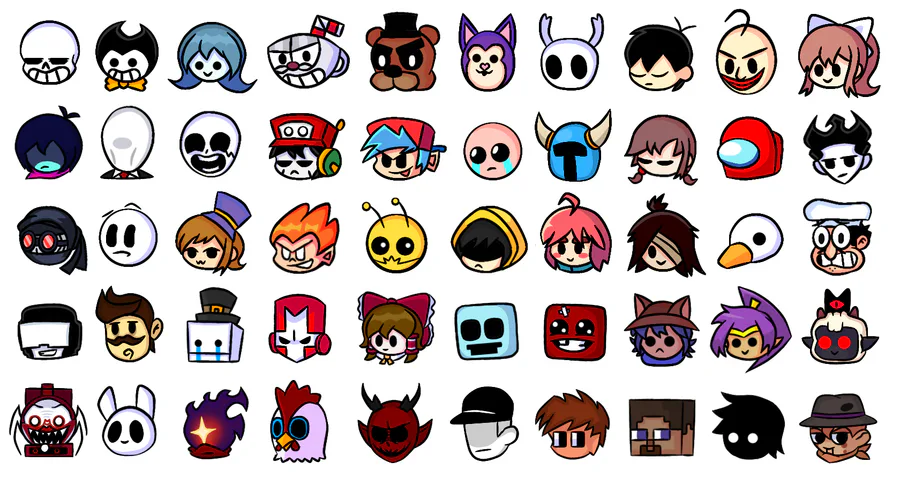
When selecting icons, prioritize clarity over complexity. Your players need to recognize a health potion or a key at a glance, even on small mobile screens. Stick to the primary keyword cluster of your project to ensure your visuals remain cohesive and professional.
No comments yet. Be the first to share your thoughts!