
Why visual identity matters in indie games
Your game’s icons and sprites are the first thing a player sees, and they do the heavy lifting before a single line of code runs. In a crowded marketplace, high-quality visual assets define your brand’s personality and signal the quality of the experience inside. A cohesive set of icons and sprites reduces cognitive load, allowing players to intuitively understand mechanics, inventory, and status effects without reading a manual.
Poorly designed or inconsistent assets create friction. When a health potion looks like a generic bottle or a sword lacks distinct silhouette, players hesitate. This hesitation breaks immersion and increases the mental effort required to engage with your game. Conversely, a polished visual identity increases perceived value, making a small indie title feel professional and trustworthy. It is the difference between a prototype and a product.
Beyond aesthetics, clear visual identity supports gameplay clarity. Icons must be legible at small sizes and recognizable across different UI contexts. This is why many successful indie developers invest time in refining their sprite packs or purchasing comprehensive icon bundles rather than creating assets from scratch. The right visual foundation supports the mechanics, ensuring that the player’s focus remains on the game, not on deciphering the interface.
Top premium character sprite packs
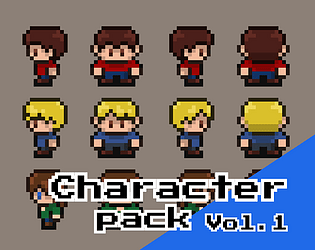
While free assets provide a starting point, premium sprite packs offer a level of polish and consistency that can elevate a game’s visual identity. These collections are designed to integrate seamlessly into a project, providing developers with high-quality, animated characters that save weeks of manual drawing time. The investment here is not just in the pixels, but in the assurance of professional-grade art direction and licensing clarity.
When selecting a premium pack, prioritize versatility. A good asset pack should include multiple color variations, different animation states (idle, walk, attack, hurt), and coherent style guidelines that allow you to create a diverse cast without breaking visual continuity. This section highlights top-selling character sprite packs that balance artistic distinctiveness with technical usability for indie developers.

As an Amazon Associate, we may earn from qualifying purchases.
Essential UI and gameplay icon sets
Indie games live and die by their user interface. When a player opens an inventory or checks their health, the icons need to communicate status instantly. A well-designed icon set acts like a visual language, translating complex game states into simple, recognizable symbols. This section focuses on packs that cover the basics: buttons, health bars, weapons, and crafting items.
Icons8 offers a massive library of indie game icons in over 50 UI design styles. You can download static and animated icons in PNG, SVG, and GIF formats for free. The collection includes everything from pixelated swords to modern health bars. If you need consistent branding across your menu screens, Icons8 provides a wide range of cohesive styles to match your game’s aesthetic.
For crafting and item-focused games, itch.io hosts several high-quality packs. Jamie Brownhill’s "600 clean and minimal game Icon ultimate pack" is a popular choice. It includes over 70 crafting icons that are clean and easy to integrate. These packs are ideal for developers who want a minimalist look without spending weeks designing every single item sprite.
Choosing the right format matters. SVG icons scale perfectly for any resolution, while PNGs are often easier to integrate into older game engines. Always check the license before downloading. Most free packs on itch.io allow commercial use, but some may require attribution. Icons8’s free tier is generous, but premium features may require a subscription.
| Pack Name | Format | Animation | License |
|---|---|---|---|
| Icons8 Indie Games | PNG, SVG, GIF | Yes (Premium) | Free with Attribution |
| Jamie Brownhill Icon Pack | PNG | No | CC0 / Commercial |
Where to find free and open-source assets
Finding the right icon set shouldn't feel like digging through a landfill. For indie developers, the best sources are those that prioritize licensing clarity and visual consistency over sheer volume. You need assets that integrate cleanly into your engine without requiring hours of cleanup or legal review.
Game-icons.net
This is the gold standard for functional, open-source icons. The site hosts over 4,000 SVG and PNG icons, all released under the Creative Commons 3.0 BY license. The collection is organized into intuitive categories, and new symbols are added weekly. Because the style is cohesive across the entire library, you can mix and match icons for health bars, inventory slots, or UI buttons without breaking your game's visual identity.
itch.io Game Assets
itch.io remains the largest marketplace for indie game resources, including a vast section dedicated to icons. Here you will find both free packs and low-cost bundles from individual artists. Look for tags like "minimal" or "pixel-perfect" to narrow down results. The community-driven nature means you often find unique, stylized sets that stand out from generic stock libraries. Always check the individual asset page for specific licensing terms, as creators may set different rules for commercial use.
The Noun Project
While primarily known for its paid subscription model, The Noun Project offers a selection of free icons that are highly polished and vector-based. It is an excellent resource for finding specific, niche symbols that might be missing from standard game icon packs. The free tier requires attribution, so ensure your game credits or settings menu can accommodate the required text. Use this source when you need a single, precise icon rather than a full cohesive set.
How to choose the right asset pack
Picking indie game icons and sprite packs requires more than a quick glance at the preview image. A pack that looks polished in a thumbnail can fall apart when you scale it up for a 4K display or try to animate it in your engine. Use this checklist to evaluate asset packs before you commit to a purchase or download.
Look for packs that offer multiple resolution tiers (e.g., 16x16, 32x32, 64x64). If a pack only provides one size, you will spend hours upscaling or redrawing. Ensure the icons remain crisp when scaled down to smaller sizes for UI elements like inventory slots or health bars.
Your game engine needs specific file types. Most modern engines handle PNG and SVG well, but some older or mobile-focused projects require specific palette limitations. Check if the pack includes source files (like PSD or AI) so you can adjust colors to match your game’s specific art direction without losing quality.
Static icons are easy to integrate, but animated sprites require careful planning. Count the frames per animation cycle. A pack with 4 frames of walking animation is standard, but some packs offer excessive frames that bloat your project’s file size. Ensure the animation loop is seamless and doesn’t have awkward jumps between the start and end frames.
This is the most critical step. Some packs are free for non-commercial use only, while others require attribution. Commercial licenses vary widely: some allow unlimited sales, while others cap revenue or require a separate license for each platform. Avoid packs with vague "contact for license" terms unless you have time for back-and-forth negotiations.
Taking the time to vet these four areas saves development time and prevents legal headaches later. Prioritize packs that offer clear documentation and flexible formats. The best indie game icons are the ones that fit your project’s needs without requiring significant modification.
Frequently asked questions about game assets
Can I use these icons in a commercial game?
Most indie sprite packs and icon sets follow one of two licensing models: Creative Commons Attribution (CC BY) or a direct commercial license. Free resources like Game-icons.net typically require you to credit the artist in your game’s credits or about screen. Premium packs sold on itch.io or Amazon often include a commercial license that allows you to use the assets in any project without attribution, but you usually cannot resell the raw asset files themselves. Always check the specific license file included in the download before publishing.
What is the best format for game icons?
SVG (Scalable Vector Graphics) is the standard for UI icons because it scales infinitely without pixelation, making it ideal for responsive menus and high-DPI displays. For character sprites or tilesets, PNG (Portable Network Graphics) remains the industry standard due to its lossless compression and support for transparency. If you need animated icons, look for packs that provide GIF sequences or sprite sheets in PNG format, as these are widely supported by game engines like Unity and Godot.
How do I ensure icon consistency in my game?
Consistency comes from using a single, cohesive asset pack rather than mixing icons from different sources. Look for packs that offer a unified art style, such as the "600 clean and minimal game Icon ultimate pack" or the curated collections on itch.io. If you must mix assets, ensure they share similar color palettes, line weights, and resolution scales. Tools like Icons8 offer multiple UI design styles within a single set, allowing you to swap styles while maintaining a consistent visual language across your interface.
No comments yet. Be the first to share your thoughts!