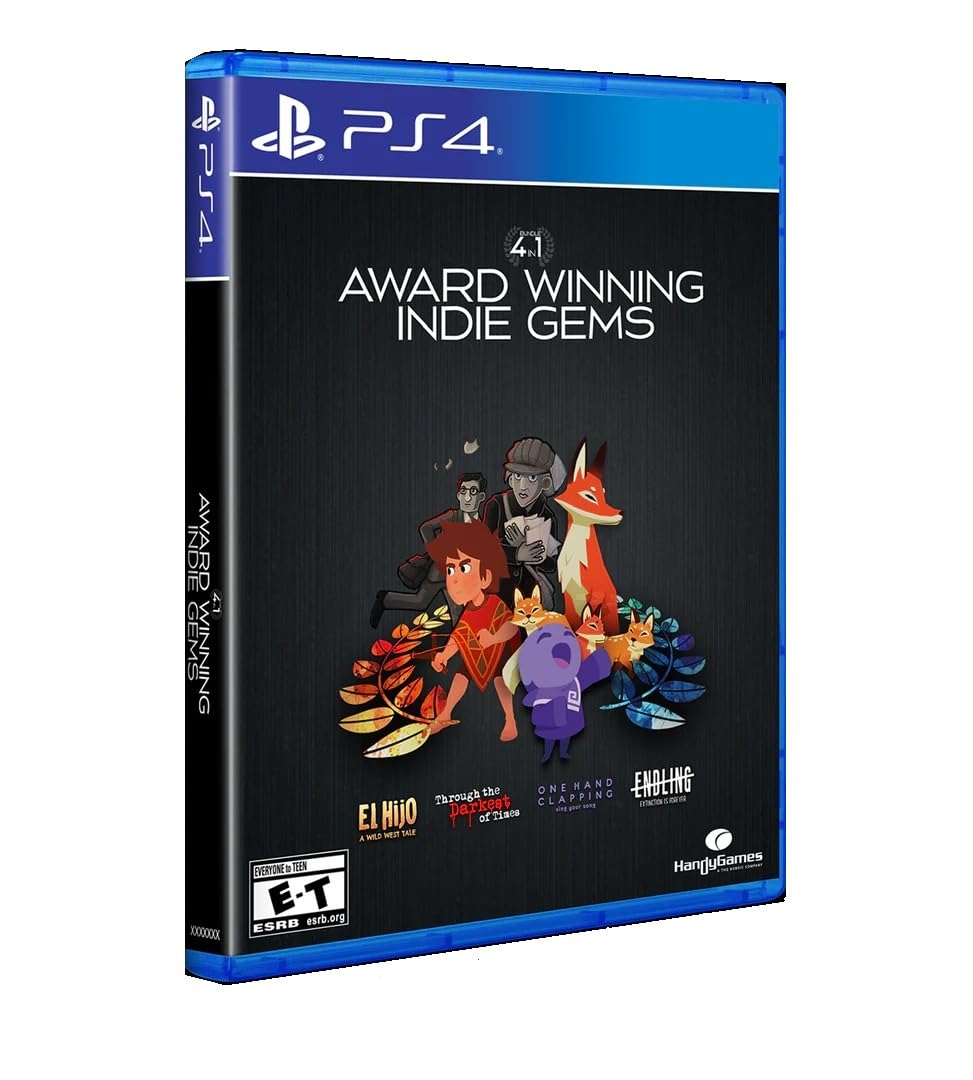

Why premium assets save indie dev time
For an indie team, time is the scarcest resource. Every hour spent hand-painting a single texture or rigging a basic enemy animation is an hour taken away from gameplay mechanics, level design, or marketing. This is where buying premium game graphics packs shifts from a simple expense to a strategic advantage. You aren't just buying art; you are buying back your schedule.
When you commission or create assets from scratch, you face the "blank canvas" problem. You spend weeks establishing a visual language, only to realize halfway through that the lighting doesn't match the models, or the UI elements clash with the environment. Premium packs solve this by providing a cohesive visual identity. A well-made pack includes matching color palettes, consistent lighting directions, and unified art styles. It’s like buying a pre-matched suit instead of trying to coordinate a jacket, pants, and shirt from different stores.
Consider the difference in workflow. With custom assets, you might spend three days modeling a low-poly tree, another two days texturing it, and a week integrating it into the engine while debugging shader issues. With a premium pack, you drag and drop a library of 50 varied trees that already have optimized colliders and LODs (levels of detail) baked in. You can populate your forest in an afternoon.
This consistency extends beyond just 3D models. It covers UI kits, sound effects, and particle effects. When every element speaks the same visual language, players stay immersed. For an indie developer, maintaining that immersion with a small team is difficult. Premium assets act as a force multiplier, allowing a two-person team to deliver the visual polish typically associated with a much larger studio.
10 Premium Game Graphics Packs for Indie Developers in 2026
Stop reinventing the wheel and start shipping your dream game. These 10 premium graphics packs offer ready-to-use UI kits, character sprites, and environmental textures that save weeks of asset creation time. Elevate your indie project’s polish without breaking your budget or timeline.
-
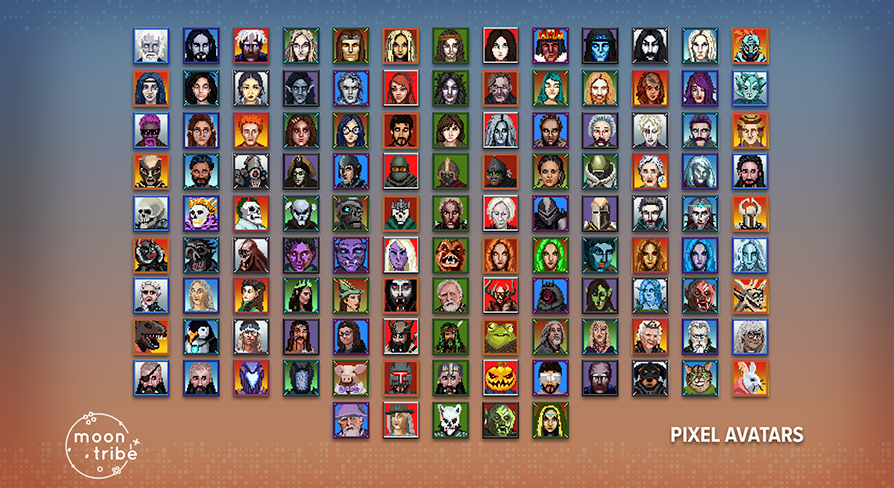
Pixel-perfect retro character packs
These packs deliver meticulously crafted sprites that snap cleanly to grid systems, eliminating the tedious manual alignment often required in retro-style development. With pre-rigged animations and consistent color palettes, indie creators can populate their worlds with diverse heroes and enemies instantly. This approach saves hours of frame-by-frame drawing, allowing you to focus on gameplay mechanics rather than tedious asset preparation. -

Low-poly 3D environment kits
Low-poly kits offer modular building blocks like walls, trees, and terrain tiles that snap together seamlessly. This modularity allows you to construct expansive, varied landscapes without modeling every single vertex from scratch. The optimized polygon count ensures smooth performance on lower-end hardware, making these assets ideal for indie projects targeting a broad range of devices while maintaining a charming, stylized aesthetic. -

Stylized UI and icon sets
A cohesive UI kit provides buttons, health bars, and inventory slots that share a unified visual language, instantly elevating your game’s polish. These sets often include multiple states like hover and click, reducing the need for custom graphic design. By adopting a pre-made, professional interface, you ensure intuitive player interaction while freeing up valuable development time for core mechanics and narrative design. -
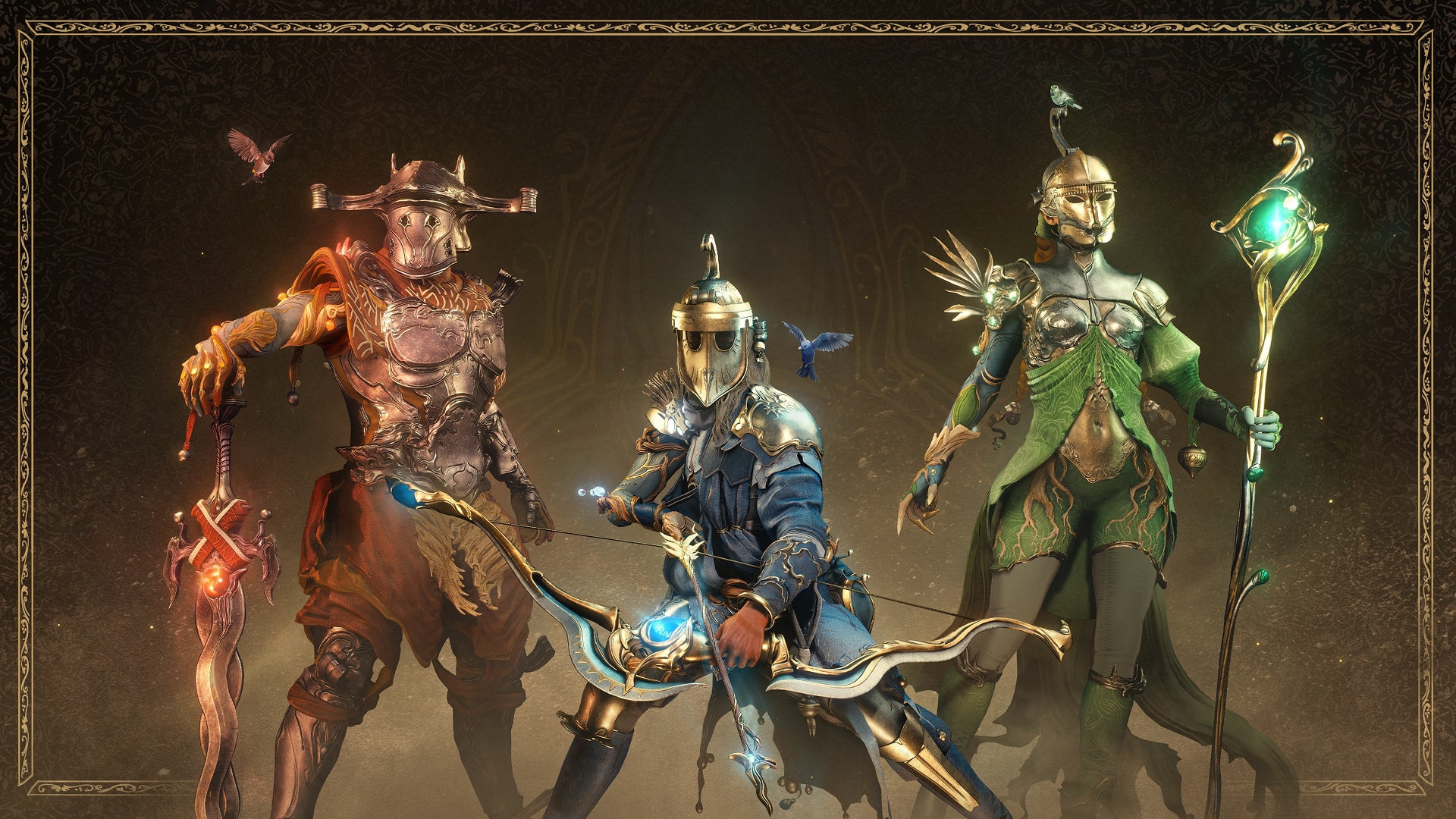
Fantasy RPG weapon and armor sets
These comprehensive collections include swords, shields, and full armor suites with consistent texturing and material properties. Instead of modeling individual items, you can swap out gear pieces to create unique character builds quickly. This variety supports deep progression systems, allowing players to customize their avatars extensively without requiring you to manually design every single piece of equipment from the ground up. -
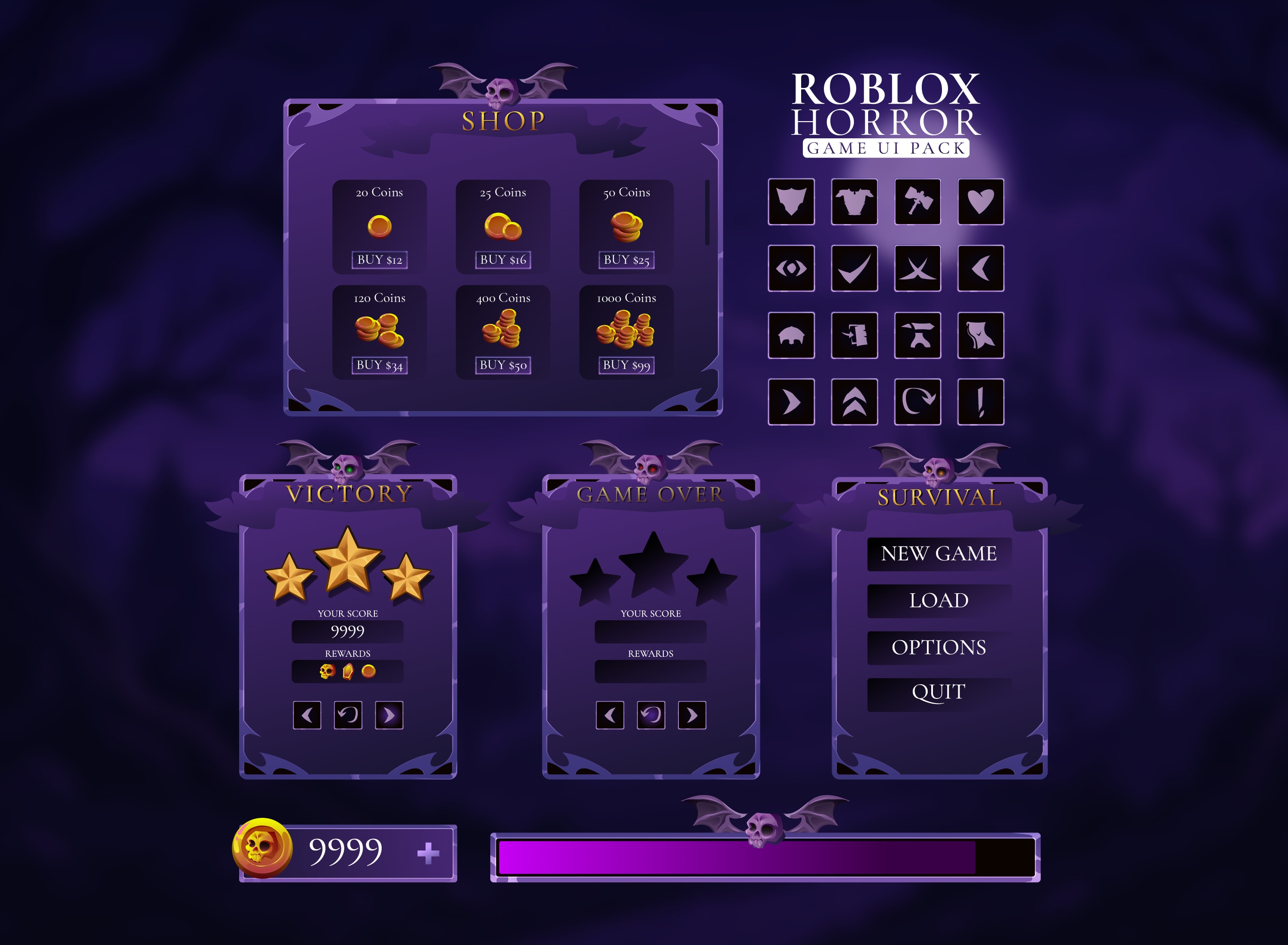
Sci-fi interface and tech props
Sci-fi UI packs feature holographic displays, glowing buttons, and futuristic dashboard elements that instantly establish a high-tech atmosphere. These assets often include animated states for scanning, loading, or alert notifications, adding dynamic visual feedback. By using these pre-built tech props, you can create immersive command centers or spaceship interiors without the steep learning curve of designing complex futuristic interfaces from scratch. -
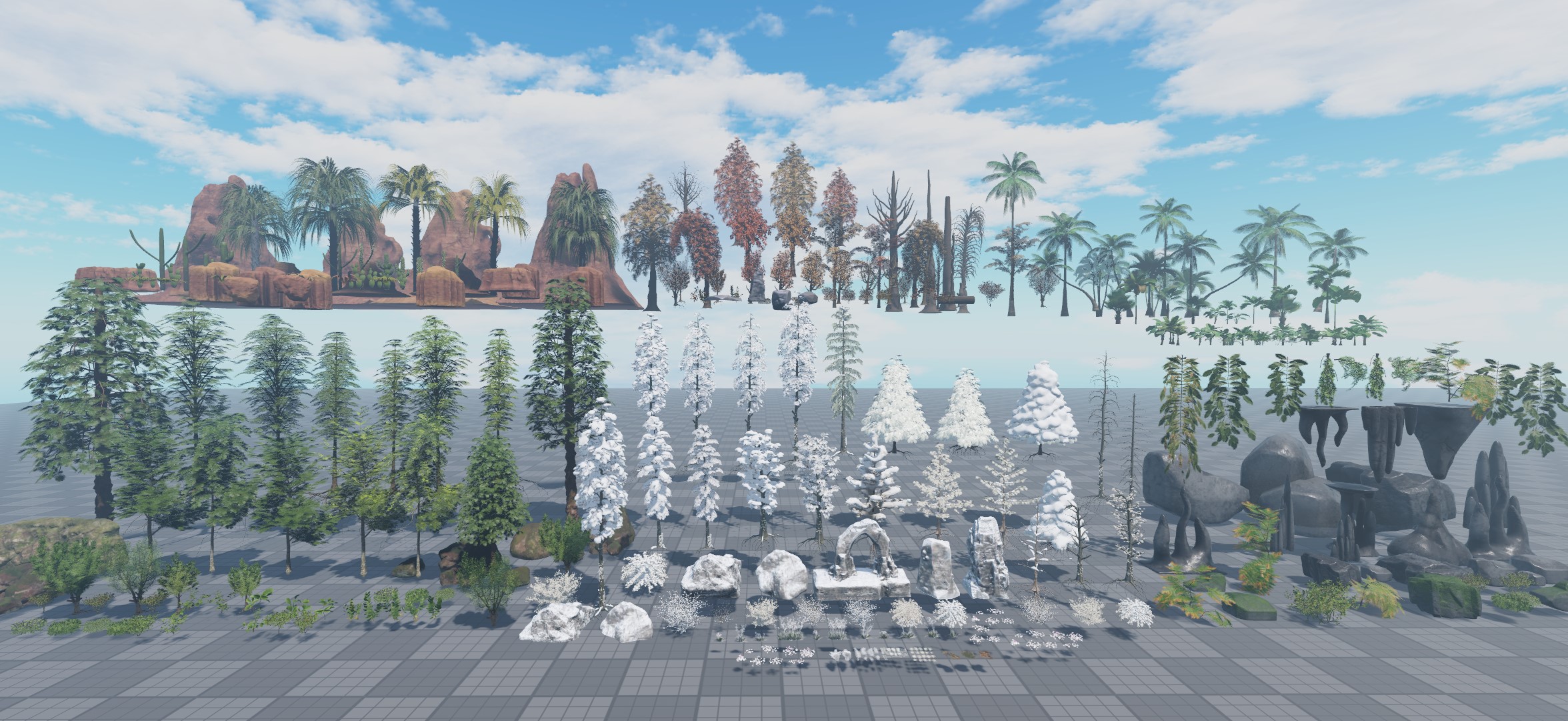
Nature and vegetation bundles
These bundles provide extensive collections of trees, bushes, and ground cover, often featuring seasonal variations like snow-dusted pines or autumn leaves. They typically include LODs (Level of Detail) for performance optimization and collision meshes for accurate gameplay interaction. By using these ready-made assets, developers can populate large open worlds quickly without compromising visual fidelity or frame rate. -

Horror atmosphere and lighting packs
These packs focus on dynamic lighting setups, volumetric fog, and eerie ambient sounds to create tension. They include shader variations for flickering lights, shadow-casting props, and environmental decay effects. By integrating these elements, indie teams can establish a chilling mood instantly, guiding player attention through darkness and enhancing the psychological impact of jump scares without needing complex custom shader work. -
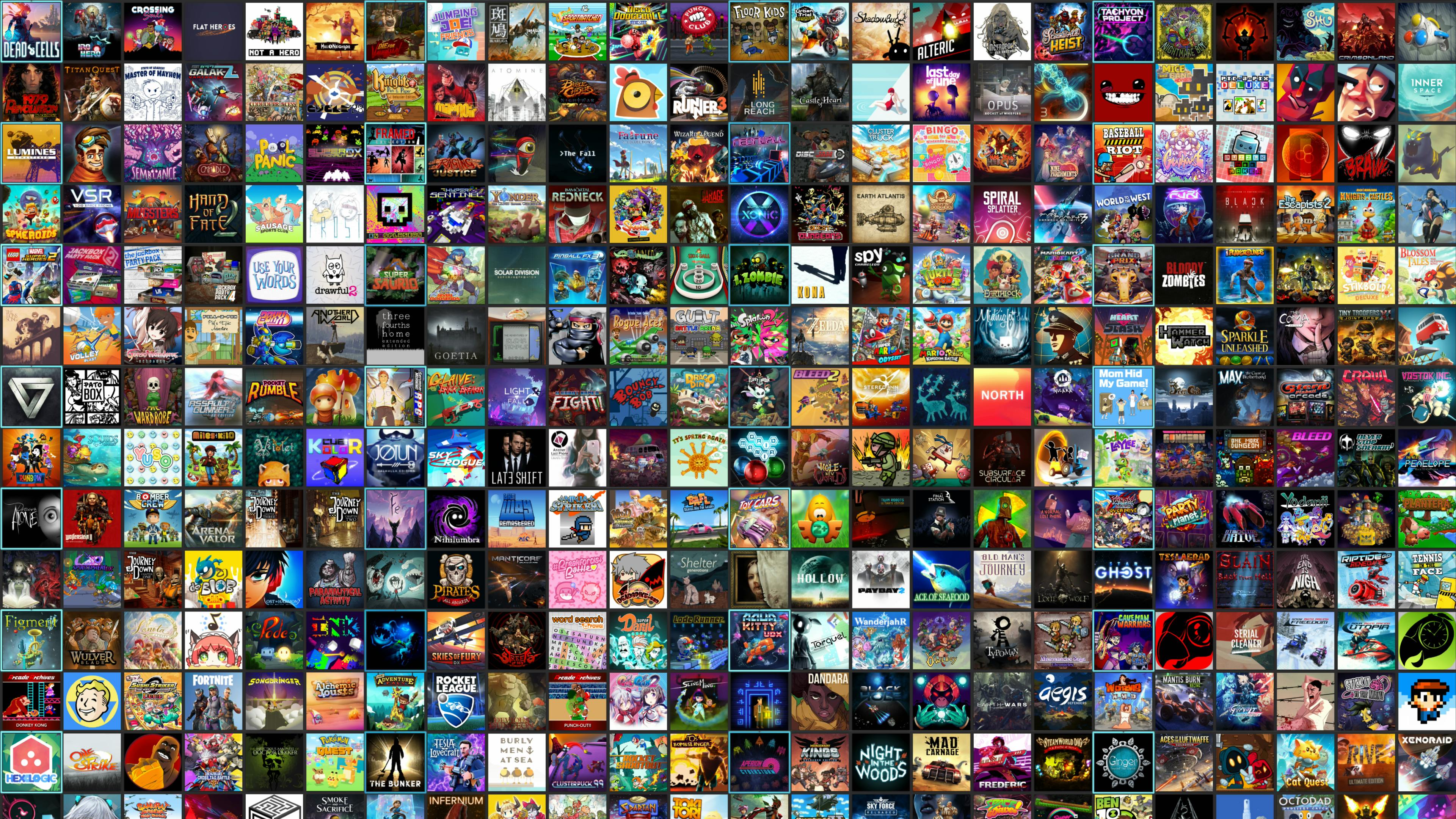
Casual mobile game icon sets
Mobile stores rely heavily on visual appeal for store listings. These sets offer cohesive, scalable icons designed for clarity at small sizes, featuring bright colors and simple shapes. They include variations for different game genres, ensuring brand consistency across app stores and social media ads. This uniformity helps players instantly recognize your game amidst a crowded marketplace, boosting organic discovery and download conversion rates. -
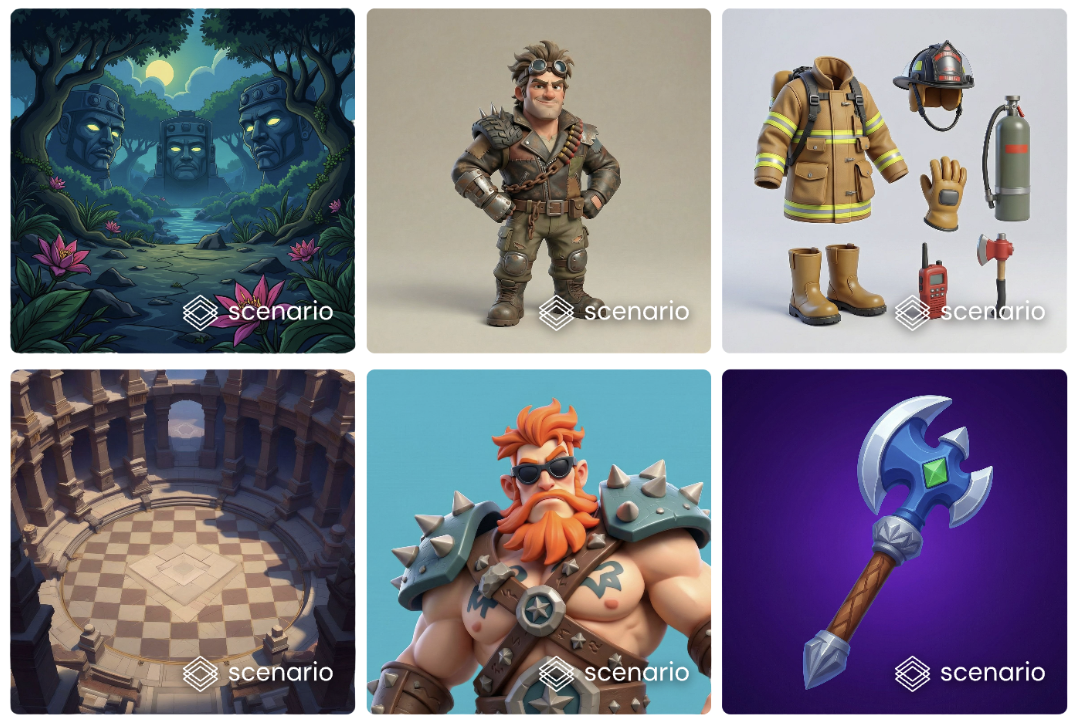
Multi-genre character animation packs
These comprehensive libraries include idle loops, movement cycles, and action states like jumping or attacking, compatible with major engines. They often support both 2D sprite sheets and 3D skeletal rigs, allowing for flexible implementation across different project types. By providing standardized motion curves and blend trees, these packs ensure characters feel responsive and alive, reducing the need for manual keyframing and polishing. -

Complete game art starter kits
Ideal for prototyping or jam games, these kits bundle essential elements: UI frames, basic character sprites, and simple environment tiles. They provide a cohesive visual direction from day one, preventing disjointed art styles during early development. This all-in-one approach accelerates the initial build phase, allowing developers to focus on gameplay mechanics and core loops before committing to final, high-fidelity asset production.
How to choose the right premium graphics
Picking the right asset pack is less about finding the "best" graphics and more about finding the ones that fit your game’s specific needs. A photorealistic character model might look stunning, but it will break the immersion in a stylized, low-poly world. To save time and avoid compatibility headaches, evaluate packs based on three practical pillars: visual style, licensing terms, and engine compatibility.
Match the visual style to your game’s identity
Your graphics should support the mood you are trying to create, not fight against it. If you are building a cozy farming simulator, high-fidelity textures can feel out of place and heavy on performance. Instead, look for packs with consistent color palettes and stylized shading. Conversely, if you are making a gritty survival horror game, you need assets with detailed normal maps and realistic lighting interactions. Check the preview images closely to ensure the art direction aligns with your vision before buying.
Understand the license restrictions
Not all premium assets are created equal when it comes to legal usage. Some packs are "royalty-free" for personal use but require a commercial license for published games. Others may restrict the number of copies sold or forbid using assets in competitive multiplayer games. Always read the fine print. Look for clear distinctions between personal, commercial, and extended licenses. A good rule of thumb is to choose a license that covers your projected growth, so you don’t have to re-buy assets if your game becomes a surprise hit.
Verify engine compatibility
Before you spend money, ensure the assets work seamlessly with your chosen game engine. Most modern packs support Unity, Unreal Engine, and Godot, but the implementation varies. Some require specific shader setups, while others need manual UV unwrapping or texture rescaling. Check the documentation for engine-specific folders or plugins. If you are using a newer engine version, look for recent updates to the asset pack to avoid compatibility issues. This small step can save you hours of technical troubleshooting later.
Compare options side-by-side
Use this table to quickly compare the top premium graphics packs based on their primary strengths and best use cases.
| Asset Pack | Visual Style | License Type | Best Use Case |
|---|---|---|---|
| Poly Haven HDRI | Photorealistic | CC0 (Public Domain) | Realistic lighting and environments |
| Kenney Assets | Stylized/Minimal | CC0 (Public Domain) | Prototyping and indie prototypes |
| Mixamo Characters | Realistic/Stylized | Free with Adobe ID | Animated 3D characters |
| ArtStation Premium | Varies | Commercial (Varies) | High-end stylized assets |
| Unity Asset Store | Varies | Commercial (Varies) | Unity-specific workflows |
| Universe Machine | Sci-Fi | Commercial | Space and sci-fi games |

As an Amazon Associate, we may earn from qualifying purchases.
Frequently asked questions about game assets
Choosing premium game graphics packs can feel overwhelming when you are balancing budget, style, and technical requirements. These questions address the most common concerns indie developers face when sourcing assets for 2026.
No comments yet. Be the first to share your thoughts!