
Game icon download budget
Finding the right sprite pack is a balancing act between price, age, and condition. Indie developers often start with free assets, but those resources come with their own hidden costs. Free packs from sites like Flaticon or Game-Icons.net are excellent for prototyping, yet they rarely offer the cohesive art style needed for a polished release. You are essentially trading time for money, spending hours tweaking mismatched vectors to fit your game’s aesthetic.
Paid packs on Amazon offer a different tradeoff: immediate cohesion and higher quality, but at a fixed cost. When browsing these collections, look for bundles that include multiple resolutions and format variations. A pack priced at $15 might seem steep for a single asset, but it saves days of design work. The key is to verify the license terms before purchasing. Some "budget" packs restrict commercial use or require attribution, which can complicate your distribution strategy later.
Condition matters more than you might expect. Older packs, even if cheap, may use outdated rendering techniques that clash with modern UI trends. Conversely, brand-new releases might be overpriced for what they offer. Read the description carefully to check for included elements like shadow layers, transparency masks, and source files. A slightly more expensive pack that includes editable PSD or SVG files often provides better long-term value than a cheaper, static PNG bundle.
As an Amazon Associate, we may earn from qualifying purchases.
Consider the scope of your project. If you only need a few specific icons, a free resource or a small single-item purchase might be sufficient. However, for full games, investing in a comprehensive pack ensures visual consistency across all interfaces. This consistency reduces cognitive load for players and makes your game feel more professional. Don’t just buy the cheapest option; buy the one that fits your art direction and technical requirements.
Shortlist real options: Compare the strongest game icon download options without inventing specs.
Finding the right character sprite pack or game icon set comes down to matching your game’s art style with the licensing terms of the source. While many platforms offer free assets, the best choices for indie developers balance visual consistency, format flexibility, and commercial safety.
The following comparison highlights four leading sources for game icons. These platforms range from massive vector libraries to curated, style-specific collections. Use this table to quickly gauge which resource fits your project’s technical and legal needs.
Flaticon stands out for sheer volume, offering over 163,000 gaming-related icons. Its strength lies in its format variety, supporting SVG, PNG, EPS, and even icon fonts, which makes it easy to integrate into different development environments. However, free users must provide attribution, which can be cumbersome for small projects. For teams needing consistent branding without legal headaches, the premium tier removes this burden.
Game-icons.net takes a different approach, focusing on quality over quantity with around 4,180 icons. The collection is heavily skewed toward retro, pixel-art, and minimalist styles, making it ideal for indie games with a specific nostalgic or clean aesthetic. The CC-BY 3.0 license is straightforward, but you must credit the authors, which requires careful management in your game’s credits screen.
Icons8 excels in visual consistency and animation. With over 50 distinct UI design styles, you can find icons that match your game’s specific look, from flat design to 3D renders. It also supports animated formats like GIF and Lottie, which is rare for free icon libraries. This makes it a strong choice for games that rely on dynamic UI elements or polished, modern interfaces.
DeviantArt, specifically packs like Icons512’s, offers a more artisanal approach. With fewer assets, these packs often feature hand-drawn or highly stylized character icons that stand out from generic vector sets. The trade-off is licensing; each artist sets their own terms, so you must verify commercial usage rights individually. This source is best for developers seeking unique, standout assets rather than bulk UI elements.
Inspect the expensive parts
Before you commit to a sprite pack or icon set, check the files that will break your build or your budget later. Most indie developers hit the same three walls: licensing traps, resolution mismatches, and asset bloat. Fixing these after the game is built costs more than a few minutes of upfront inspection.
Check for exclusivity clauses and platform restrictions. Free assets often require attribution or forbid resale as part of a standalone asset store. Premium packs usually grant commercial rights, but verify if they cover mobile, console, or web. Avoid any license that restricts monetization or requires a separate fee for high-revenue tiers.
Download the lowest and highest resolution files. Zoom in to 400% to check for jagged edges or missing pixels. Icons must remain legible at 16x16 or 32x32 pixels. Sprite sheets should have consistent spacing between frames. If the artist used anti-aliasing inconsistently, the characters will look blurry when scaled up for high-DPI displays.
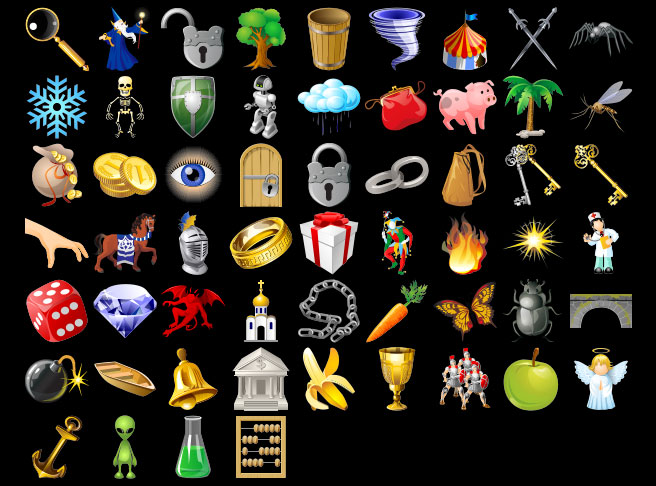
Check the total megabyte count and the number of individual files. Hundreds of tiny PNGs increase load times and memory overhead. Look for packed sprite sheets or vector SVGs that you can compile yourself. If the pack includes unused animations or duplicate frames, you are paying for bloat. Strip unnecessary data before integrating it into your engine.
As an Amazon Associate, we may earn from qualifying purchases.
A quick inspection saves hours of refactoring. Treat asset packs like code: review the source, check the dependencies, and verify the output before you merge them into your project.
Plan for ownership costs
A $5 sprite pack might seem like a steal, but the real cost of game assets often appears after the initial download. Ownership isn't just about the license you signed; it's about the maintenance burden you inherit. When you buy a pack, you are buying a style. If that style becomes dated or doesn't fit your evolving game design, you're stuck with a library of unused assets or forced to hire an artist to modify them.
Maintenance surprises often stem from incomplete file organization. Cheap packs frequently deliver messy folders, inconsistent naming conventions, or mixed resolution layers. Before you commit, check the source files. If the PSDs are flattened or the vector layers are tangled, every small tweak requires hours of manual cleanup. This hidden labor cost can quickly exceed the price of a more expensive, well-organized pack.
Consider the long-term utility of the art. Does the pack include variations for different states (hover, active, disabled) or sizes? If you have to create these from scratch later, the initial savings vanish. Look for packs that offer comprehensive sets with clear documentation. A slightly higher upfront cost for a well-documented, modular asset library pays off by reducing technical debt and keeping your development pipeline smooth.

As an Amazon Associate, we may earn from qualifying purchases.
Game icon download: what to check next
Finding the right sprite pack can make or break your game's visual identity. Before you commit to a download, consider these practical details about licensing, file formats, and integration.
No comments yet. Be the first to share your thoughts!