
Why icon quality shapes your game
Your game icon is the first thing a player sees. It’s the difference between a scroll-by and a click. For indie developers, this small asset carries the weight of your entire brand. A polished icon signals that the game inside is professional, even if the team is just you.
Generic clipart breaks immersion immediately. When a player clicks a game, they expect a cohesive visual language. If the icon looks like a free stock photo, they assume the gameplay will feel cheap. Cohesive game UI assets build trust before the first level loads.
Think of your icon as a storefront window. You wouldn’t leave the shelves empty or cluttered with random items. You curate a display that tells the player exactly what kind of experience awaits. High-quality sprite packs do the same work in a smaller space, conveying genre, tone, and polish instantly.
This visual shorthand is critical in crowded marketplaces. Players make split-second decisions. A clear, vibrant icon stops the scroll. A muddy or inconsistent one gets ignored. Investing time in these details pays off in higher click-through rates and better player retention from day one.
Top rated game icon downloads
Finding the right visual identity for your game can take a backseat to coding and mechanics, but polished icons make all the difference in store listings and UI clarity. Instead of skimming through endless free resources, many indie developers prefer curated asset packs that offer consistency and professional quality.
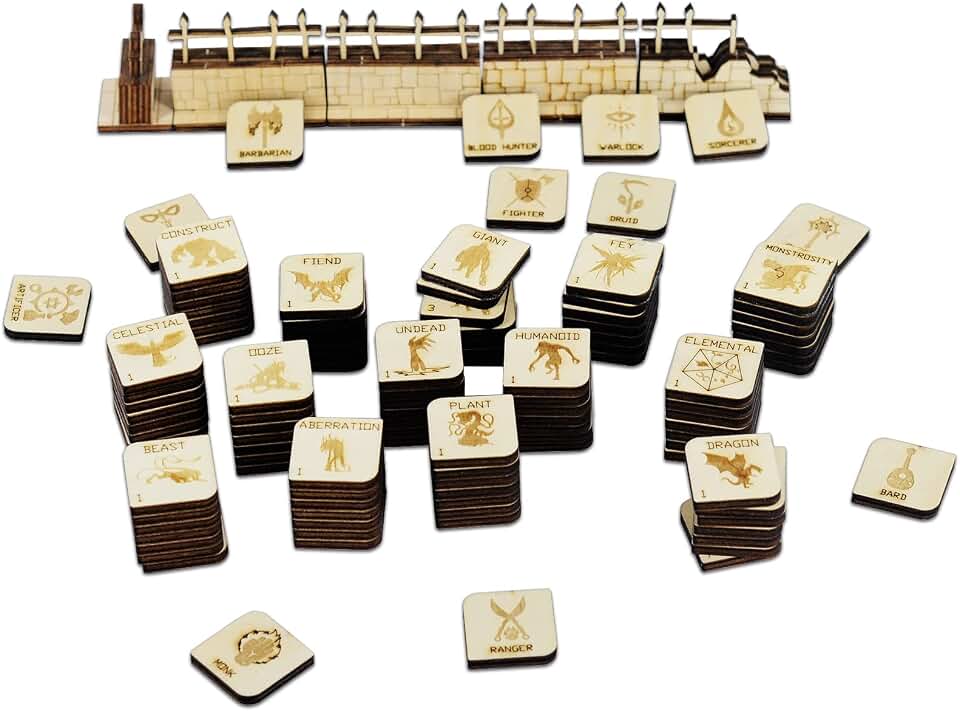
The following recommendations focus on well-reviewed sprite packs and icon sets available for purchase. These selections prioritize variety, resolution quality, and ease of integration into popular game engines.


As an Amazon Associate, we may earn from qualifying purchases.
When evaluating these assets, consider the format and license terms. Most professional packs include PNG files with transparent backgrounds, which are essential for layering in engines like Unity or Godot. Some packs also offer SVG versions, allowing you to scale icons for high-DPI displays without losing sharpness.
A comparison of key features can help you decide which pack fits your project's specific needs.
| Feature | Resolution | Format | License |
|---|---|---|---|
| Fantasy RPG Pack | 1024x1024 | PNG, SVG | Commercial |
| Casual Mobile Icons | 512x512 | PNG | Commercial |
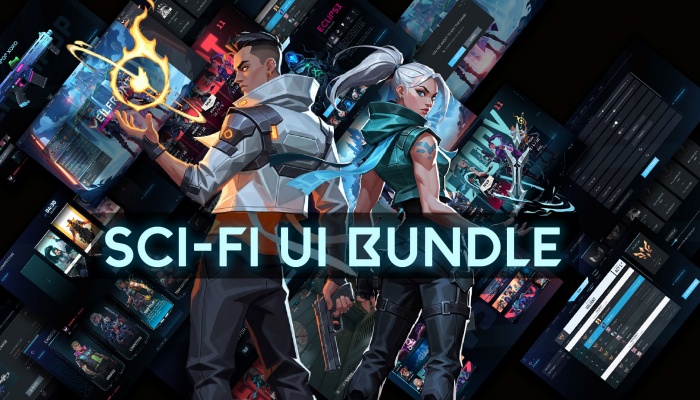
| Sci-Fi UI Bundle | 2048x2048 | PNG, SVG | Commercial |
| Retro Pixel Icons | 64x64 | PNG | Commercial |
These packs are designed to save you time. Rather than creating every icon from scratch, you can focus on gameplay mechanics while ensuring your game looks polished and professional. Always check the specific license agreement for each product to ensure it covers your intended use, whether for a free mobile app or a premium PC title.
Free resources for tight budgets
Use this section to make the Best Game Icon Downloads for Indie Developers decision easier to compare in real life, not just on paper. Start with the reader's actual constraint, then separate must-have requirements from details that are merely nice to have. A practical choice should survive normal use, maintenance, timing, and budget. If a recommendation only works in an ideal situation, call that out plainly and give the reader a fallback path.
The simplest way to use this section is to write down the must-have criteria first, then compare each option against those criteria before weighing nice-to-have features.
Choosing the right sprite pack format
The file format you pick dictates how your icons behave at different screen sizes. It is the difference between a crisp pixel-art asset and a blurry mess on a high-DPI display. Most indie developers choose between raster (PNG) and vector (SVG) formats, and the decision usually comes down to your game’s art style.
When to use PNG for pixel art
PNG is the standard for raster graphics. It stores pixel data directly, making it perfect for pixel art or complex textures where every pixel matters. If you are building a retro-style game, you likely want to lock the resolution. PNGs load instantly in most game engines because they are simple bitmap images. However, they do not scale well. If you need your icons to look sharp on a 4K monitor, you must create multiple versions of the same icon at different sizes, which increases your bundle size.
When to use SVG for scalable UI
SVG is a vector format, meaning it uses math to draw shapes rather than pixels. This makes it infinitely scalable without losing quality. It is ideal for modern UI elements, buttons, and icons that need to look crisp on any device. Tools like Flaticon and Game-icons.net offer extensive SVG libraries. The downside is that some game engines require conversion to texture atlases before rendering, adding a small step to your build process. If your game relies on clean, geometric shapes, SVG is usually the smarter choice.
Mixing formats for best results
Many successful indie games use a hybrid approach. Use SVG for interface elements like menus and buttons, where scalability is key. Use PNG for in-game sprites and textures where pixel-perfect control is necessary. Always check the license of the pack you download. Some free icons allow commercial use, while others require attribution. A quick review of the license terms can save you from legal headaches later.
-
Verify PNG resolution matches your target DPI
-
Ensure SVG paths are simplified for engine compatibility
-
Check license terms for commercial use
-
Test icons on both mobile and desktop displays
Common questions about game assets
Can I use free game icons in my commercial project? Most free icons from sources like Flaticon or Game-icons.net require attribution unless you purchase a premium license. Always check the specific license (CC-BY, CC0, or custom) to ensure you can sell your game without legal issues.
What file formats should I download? For crisp scaling across different screen sizes, SVG is the best choice. If your game engine doesn’t support vectors, download PNGs with transparent backgrounds. Avoid rasterized formats like JPG for UI elements, as they will look pixelated when resized.
How do I integrate icons into my game engine? Import your icon files directly into your engine’s asset folder (Unity, Godot, or Unreal). For UI, use an Image component and assign the texture. For SVGs, you may need a plugin to render them as vector graphics rather than static bitmaps.
Are there quality differences between free and paid icons? Paid packs often offer consistency in style, stroke weight, and color palettes, which saves time on design adjustments. Free icons can be mixed from various artists, leading to visual inconsistency that might distract players.
No comments yet. Be the first to share your thoughts!