
Why indie game icons matter now
Steam’s storefront is a crowded marketplace where attention is the scarcest resource. In 2026, the difference between a click and a scroll often comes down to the icon’s clarity and fidelity. Players scan hundreds of titles in seconds; a crisp, high-contrast sprite pack communicates genre and tone instantly, while a muddy or generic image gets lost in the noise.
Visual-first design isn’t just about aesthetics—it’s about function. A well-crafted icon acts as a visual shorthand, conveying the game’s core hook before the player reads a single word of the description. This is especially critical for indie titles that lack the marketing budgets of AAA publishers. The icon must stand alone as a compelling advertisement.
Consider the shift from simple 2D sprites to detailed, stylized renders. Modern players expect a certain level of polish. An icon that looks unfinished or low-resolution signals low quality, regardless of the actual gameplay. The visual impact of a premium icon can be the deciding factor in a player’s decision to add a game to their wishlist.
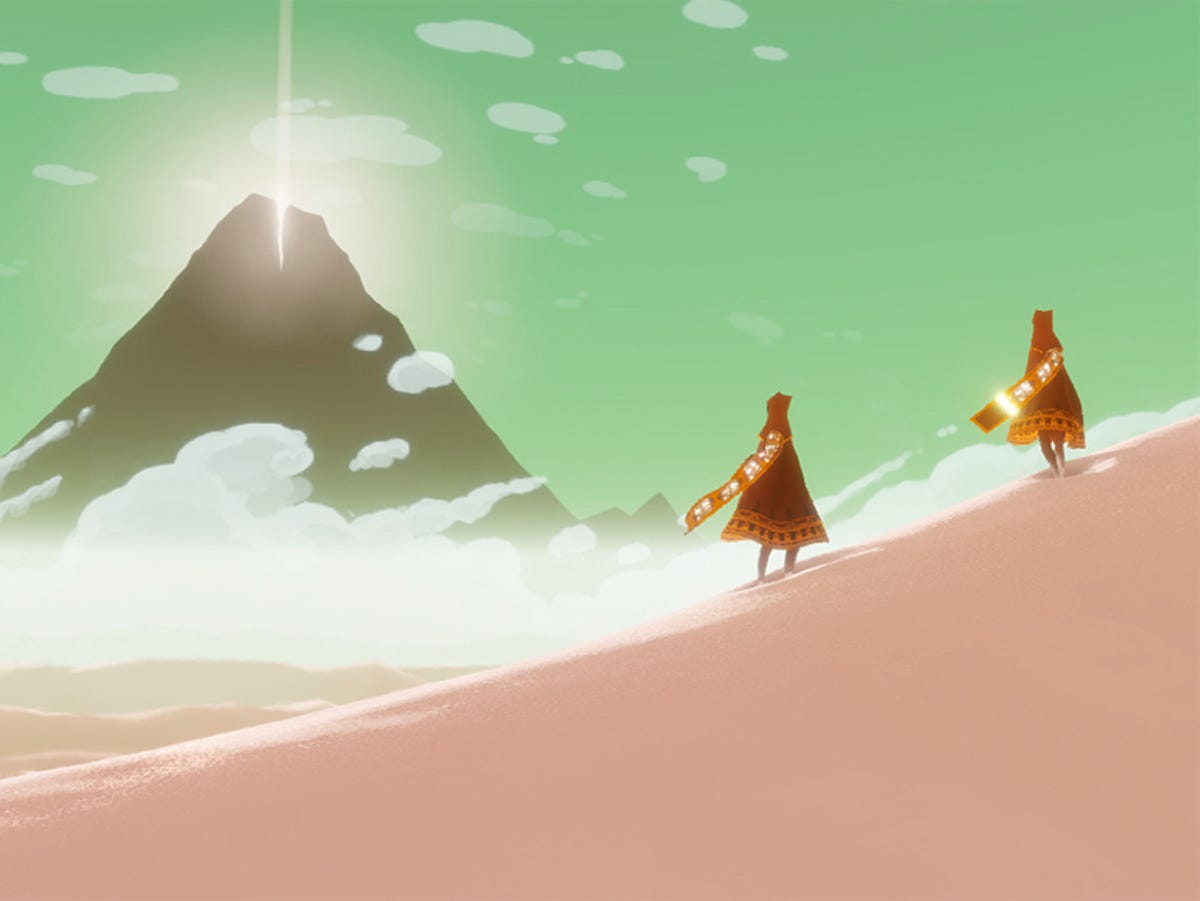
Top character sprite pack styles
Character sprites have evolved far beyond the rigid 8-bit grids of the 1980s. In 2026, Steam’s indie success stories rely on sprites that balance technical efficiency with distinct visual identity. The most effective packs don’t just provide a character; they provide a cohesive visual language that reads clearly at small sizes while offering depth when zoomed in.
The current market favors three dominant approaches: hand-painted textures, modern pixel art with advanced lighting, and vector-inspired clean lines. Each style solves different technical problems, from animation fluidity to asset storage.
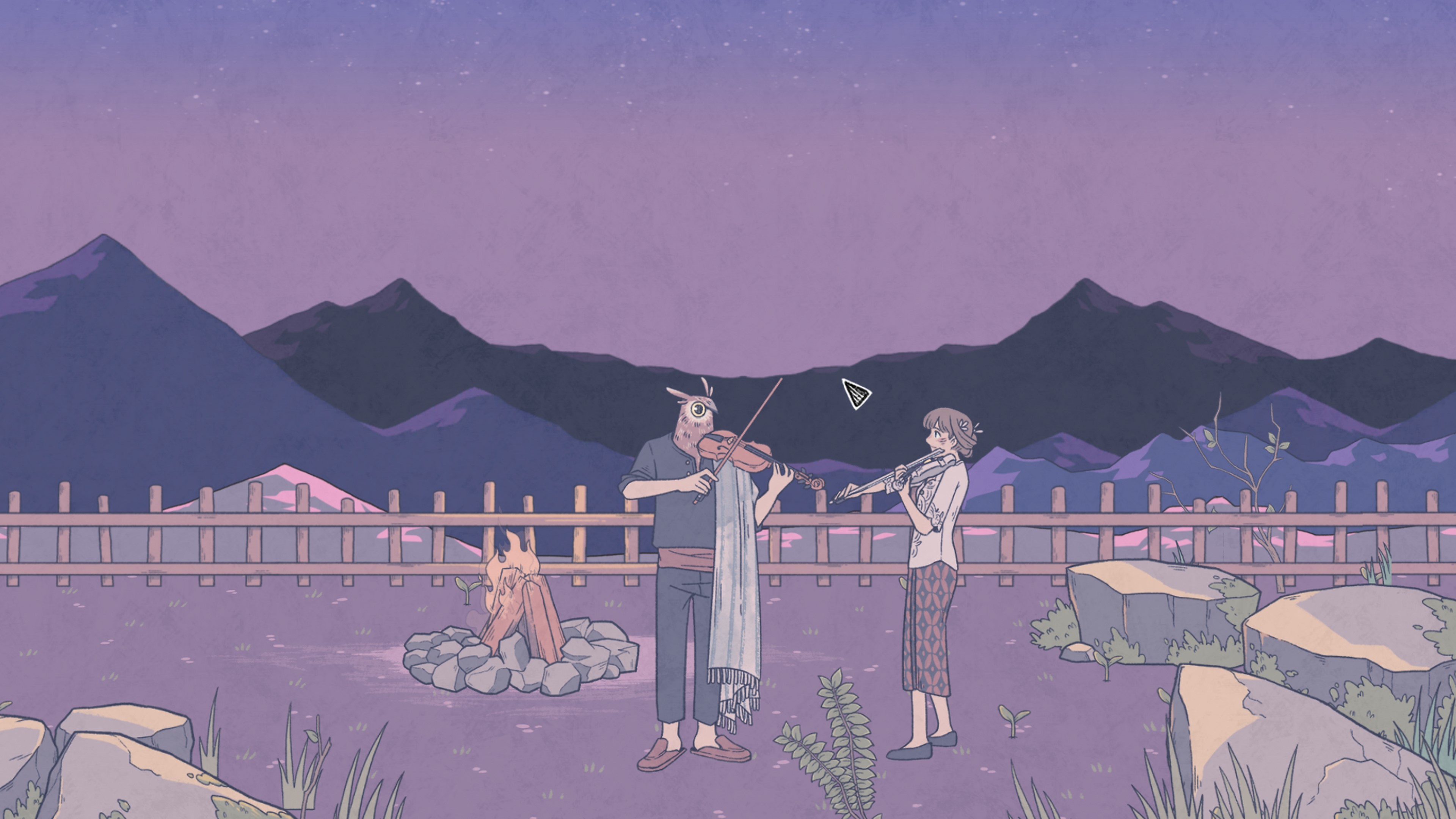
Hand-painted pixel art
This style treats pixels like brushstrokes rather than blocks. Artists use high-resolution source files and downsample them to create natural gradients and complex shading that pure grid-based pixel art cannot achieve. The result is a warm, organic look that dominates cozy simulators and narrative adventures. The trade-off is larger file sizes and more complex animation rigs, but the visual payoff in atmospheric immersion is unmatched.
Modern pixel with dynamic lighting
Here, the character sprite is a flat 2D object that interacts with real-time global illumination and shadow casting engines. The sprite itself might be simple, but the lighting engine adds depth, making the character feel embedded in the world rather than floating above it. This style is increasingly popular in roguelikes and metroidvanias where mood shifts dynamically based on location and time of day.
Vector-inspired clean lines
Moving away from the grid entirely, this style uses crisp, scalable vector graphics rendered in a 2D space. It offers the sharpest possible edges and the smallest file sizes, ideal for fast-paced action games or minimalist UI-heavy experiences. The aesthetic is bold and graphic, prioritizing readability and motion clarity over textural detail. It allows for easy color-swapping and modular character customization without losing visual integrity.
Where to find game icon download resources
Finding the right visual assets is the first step in defining an indie game’s identity. The market offers distinct paths for sourcing icons, ranging from community-driven open libraries to polished commercial marketplaces. Each source serves a different development stage, from rapid prototyping to final polish. Developers should prioritize licensing clarity and visual consistency over sheer volume.
Top resources for indie game icons
The following platforms provide reliable access to game-ready assets. Each entry highlights the specific strengths and typical use cases for indie developers.
Best sources for game icons
-
Game-icons.net
A massive collection of over 4,000 free SVG and PNG icons. The site updates weekly with new symbols organized in intuitive categories. It is ideal for developers needing consistent, flat-style icons for UI elements or inventory systems without budget constraints. -
Icons8 (Indie Collection)
Offers high-quality, customizable icons tailored for indie projects. The platform allows developers to adjust colors and styles to match specific game themes, such as retro or modern aesthetics. This is useful for creating cohesive visual identities across different platforms like itch.io or Steam. -
itch.io Asset Marketplace
A curated marketplace where creators sell or give away specific icon packs. Search for tags like "Pixel Art Icons" or "Free Cyberpunk Resource" to find niche styles. This is the best source for unique, thematic assets that stand out from generic stock libraries.

When selecting resources, look for assets that align with your game’s core visual language. A pixel art game benefits from tight, grid-aligned icons, while a stylized 3D game might require more organic shapes. Always check the license terms before downloading. Some free assets require attribution, while premium packs often include commercial rights for unlimited use. Prioritize sources that provide vector files (SVG) or high-resolution PNGs to ensure your icons look sharp on all screen sizes.
Essential tools for game development resources
Building a cohesive visual identity for Steam requires more than just a distinct art style; it demands a reliable pipeline for creating, organizing, and exporting assets. The best indie games succeed because their UI elements and icons feel like a natural extension of the world, not an overlay. To achieve this, developers rely on a mix of vector editors, sprite sheet managers, and specialized icon libraries.
For creating scalable graphics that look crisp on high-resolution displays, vector-based software is indispensable. Tools like Inkscape (free) and Adobe Illustrator allow developers to draw icons that can be resized without losing quality. This is particularly important for Steam store pages, where icons must look sharp on both 4K monitors and mobile devices. When working with pixel art, however, the focus shifts to precision. Programs like Aseprite or Pyxel Edit offer grid-locking and palette management, ensuring that every pixel aligns perfectly with the game’s visual language.
Once assets are created, organization becomes the next hurdle. A scattered collection of PNGs and SVGs leads to inconsistent styling. Dedicated icon libraries and asset managers help maintain uniformity. Sites like Game-icons.net provide thousands of free, consistent SVG icons that can be customized to match a game’s color palette. Similarly, Icons8 offers curated sets designed specifically for indie aesthetics, saving hours of design time. Using these resources ensures that health bars, inventory slots, and menu buttons share a common visual DNA.
For those looking to streamline the entire workflow, integrated asset management tools are becoming standard. These platforms allow developers to import raw assets, apply filters, and export optimized sprite sheets in one go. They also often include version control features, which are critical for small teams where multiple artists might be working on the same icon set simultaneously. By automating the tedious parts of asset management, developers can spend more time refining the visual details that make their games stand out.



As an Amazon Associate, we may earn from qualifying purchases.
Common questions about indie game icons
When launching on Steam, visual clarity often determines whether a player clicks or scrolls past. These answers address the technical and stylistic hurdles most indie developers face when finalizing their store assets.
No comments yet. Be the first to share your thoughts!