
The visual standard has shifted
The indie game market has quietly abandoned the era of "cute but low-effort" as a viable survival strategy. What was once a constraint of limited budgets is now a baseline expectation for player retention. The stereotype of the pixel-art purist or the minimalist mobile title has been replaced by a demand for high-fidelity realism, even from small teams. This shift isn't just about aesthetics; it is a direct response to player behavior in an increasingly crowded market.
Modern players expect the visual polish of AAA titles, even when playing smaller, narrative-driven experiences. Games like Celeste and Hades proved that artistic integrity and technical excellence are not mutually exclusive, but the bar has risen further since then. Today, indie hits are leveraging accessible engines and asset stores to achieve lighting, particle effects, and animation quality that rivals mid-tier console releases. This visual parity forces players to judge indie games on the same technical merits as major studio releases.
The data supports this visual arms race. Retention metrics consistently show that games with high-quality graphics and polished UI maintain player engagement significantly longer than their stylized, low-fidelity counterparts. Players are willing to pay for and stick with games that feel "complete" visually, viewing high-end graphics as a proxy for overall development quality and polish. The era of forgiving poor visuals due to "indie charm" is over.
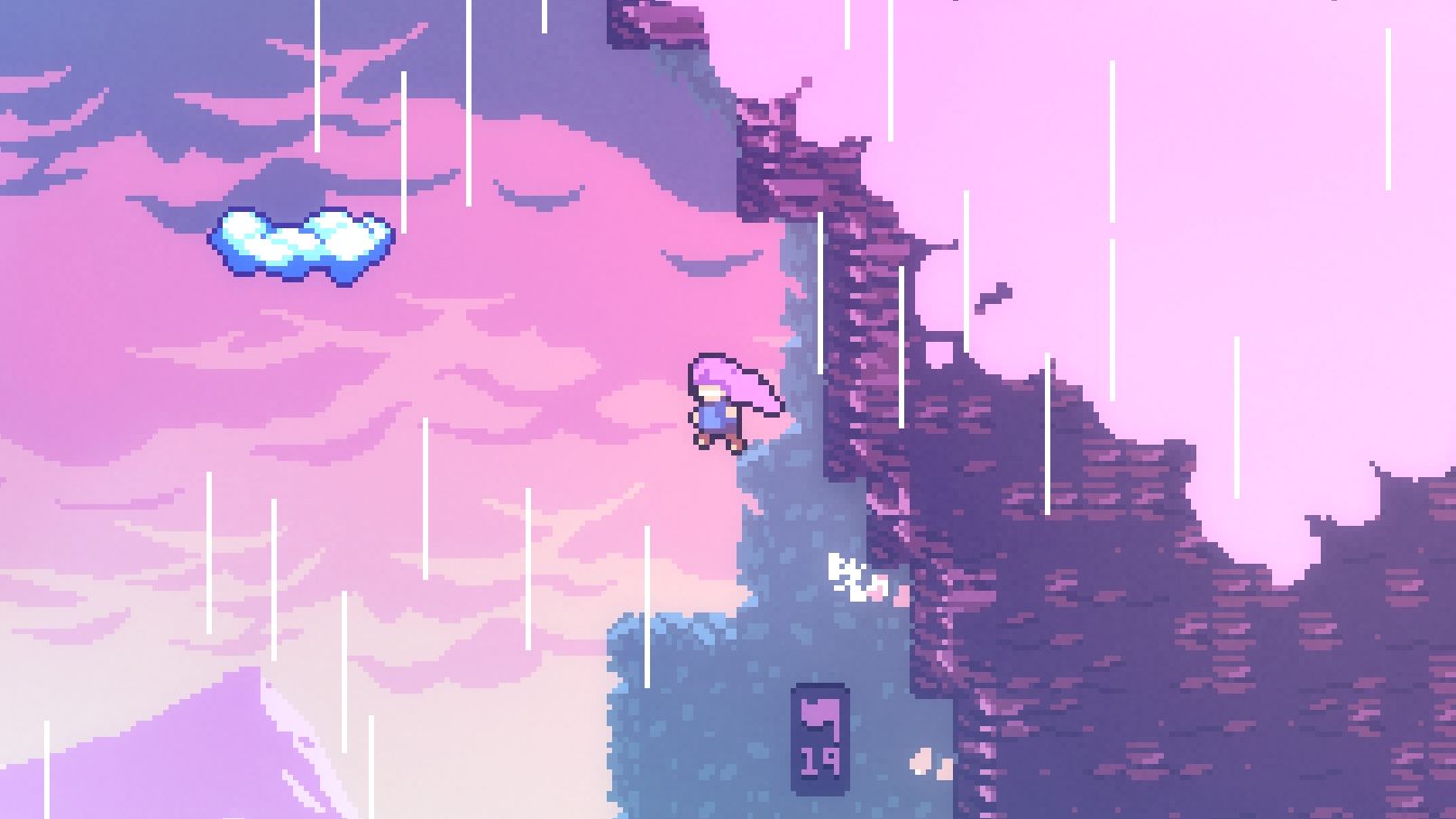
This evolution demands that indie developers treat graphics as a core retention mechanic, not an afterthought. The successful indie studio of 2026 is no longer just a storyteller or a mechanic innovator; it is a visual competitor capable of meeting the heightened expectations of a discerning audience. The "premium game graphics" label is no longer reserved for the top 1% of the industry; it is the entry fee for serious consideration.
Comparing visual styles for retention
Premium game graphics are no longer just about photorealism; they are a retention mechanic. The industry is shifting from a "more polygons" mindset to a "higher fidelity per polygon" approach, where stylized realism and high-fidelity indie aesthetics compete with traditional AAA photorealism. This shift is driven by the need to balance player engagement with development efficiency.
Realistic graphics, as seen in titles like The Last of Us Part II or Cyberpunk 2077, rely on dense asset pipelines and cutting-edge rendering techniques to create immersion. While these games generate massive initial hype and media coverage, their retention curves often plateau as the novelty of the visual fidelity wears off. Players return for narrative depth and mechanical polish, not just the texture resolution. The cost to produce and maintain these assets is high, requiring significant server and client-side optimization to keep retention stable across diverse hardware.
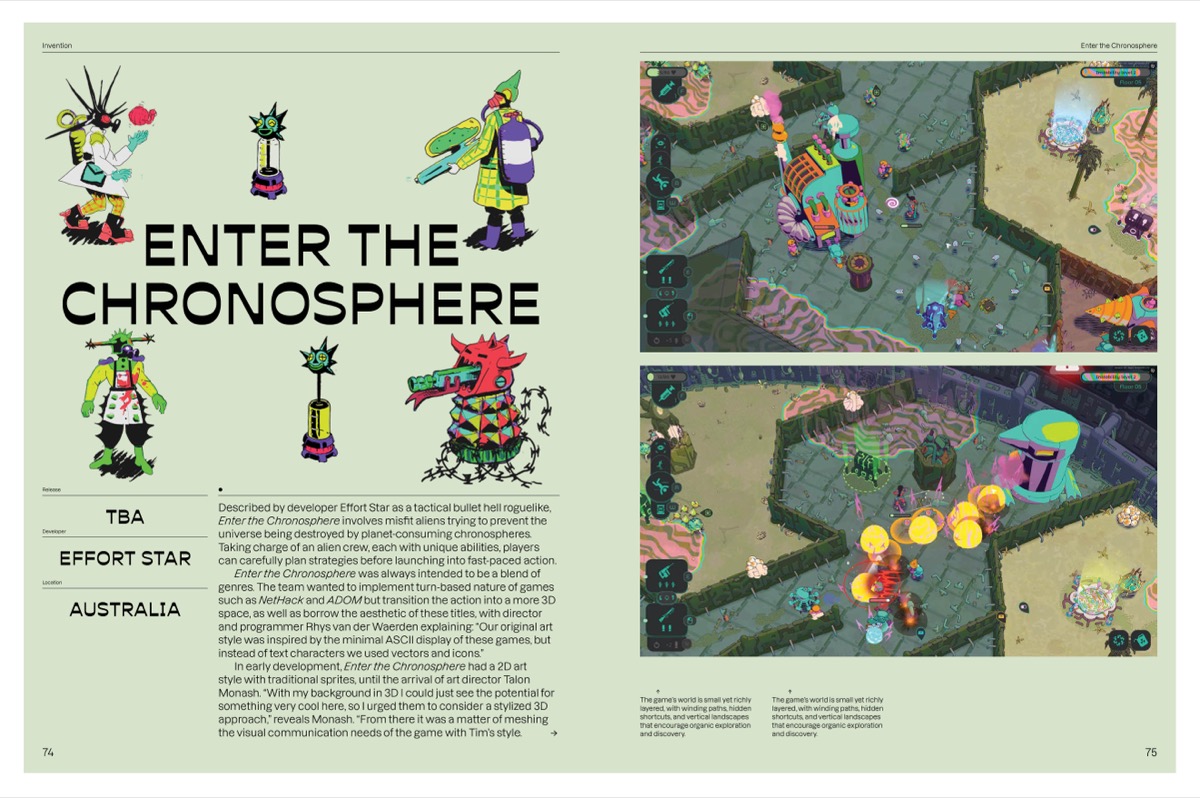
In contrast, stylized high-fidelity graphics—often found in recent indie hits—use artistic direction to create memorable, distinct worlds that are easier to maintain and update. Games like Indie Game Works subjects highlight how artistic coherence can drive long-term community engagement more effectively than raw graphical power. These styles allow smaller teams to iterate quickly, keeping content fresh and players engaged over longer periods. The visual style becomes a brand identifier, fostering a loyal community that values aesthetic uniqueness over technical benchmarking.
The following table compares these approaches across key retention and development metrics. Understanding these tradeoffs helps studios choose the right visual strategy for their target audience and resource constraints.
| Metric | Photorealistic (AAA) | Stylized High-Fidelity (Indie/AA) | Hybrid (Realism + Stylized Elements) |
|---|---|---|---|
| Development Cost | Very High | Medium | High |
| Player Retention (First 30 Days) | High (Novelty-driven) | Medium-High (Aesthetic-driven) | High |
| Long-Term Engagement | Variable (Narrative-dependent) | High (Community-driven) | High |
| Hardware Accessibility | Low | High | Medium |
| Content Update Speed | Slow | Fast | Medium |
Where to find quality assets
Indie developers no longer need AAA budgets to build worlds that retain players. The shift toward high-fidelity visuals is driven by accessible asset stores and procedural tools that allow small teams to produce premium game graphics without hiring large art departments. Players judge a game's quality within the first few minutes, making the source of these assets critical for retention.
Marketplaces and Asset Stores
Platforms like Unity Asset Store, Unreal Engine Marketplace, and Adobe Stock offer curated libraries of 3D models, textures, and animations. These marketplaces reduce development time by providing pre-validated assets that integrate directly into popular engines. For example, a well-lit character sprite pack can replace weeks of manual animation work, allowing developers to focus on gameplay mechanics that drive engagement.
Procedural and AI-Assisted Tools
Tools such as Blender with add-ons or AI-driven texture generators enable developers to create unique assets on demand. This approach is particularly effective for generating background elements or environmental details that would be too costly to model individually. By automating repetitive tasks, indie teams can maintain visual consistency across their games, which is essential for building a cohesive player experience.
Specialized Indie Communities
Communities like itch.io and GameDev.net often feature free or low-cost asset packs created by fellow developers. These resources are invaluable for prototyping or small-scale projects. Sharing assets within these communities also fosters collaboration, allowing developers to iterate quickly on visual styles that resonate with niche audiences.


As an Amazon Associate, we may earn from qualifying purchases.
Balancing fidelity with performance
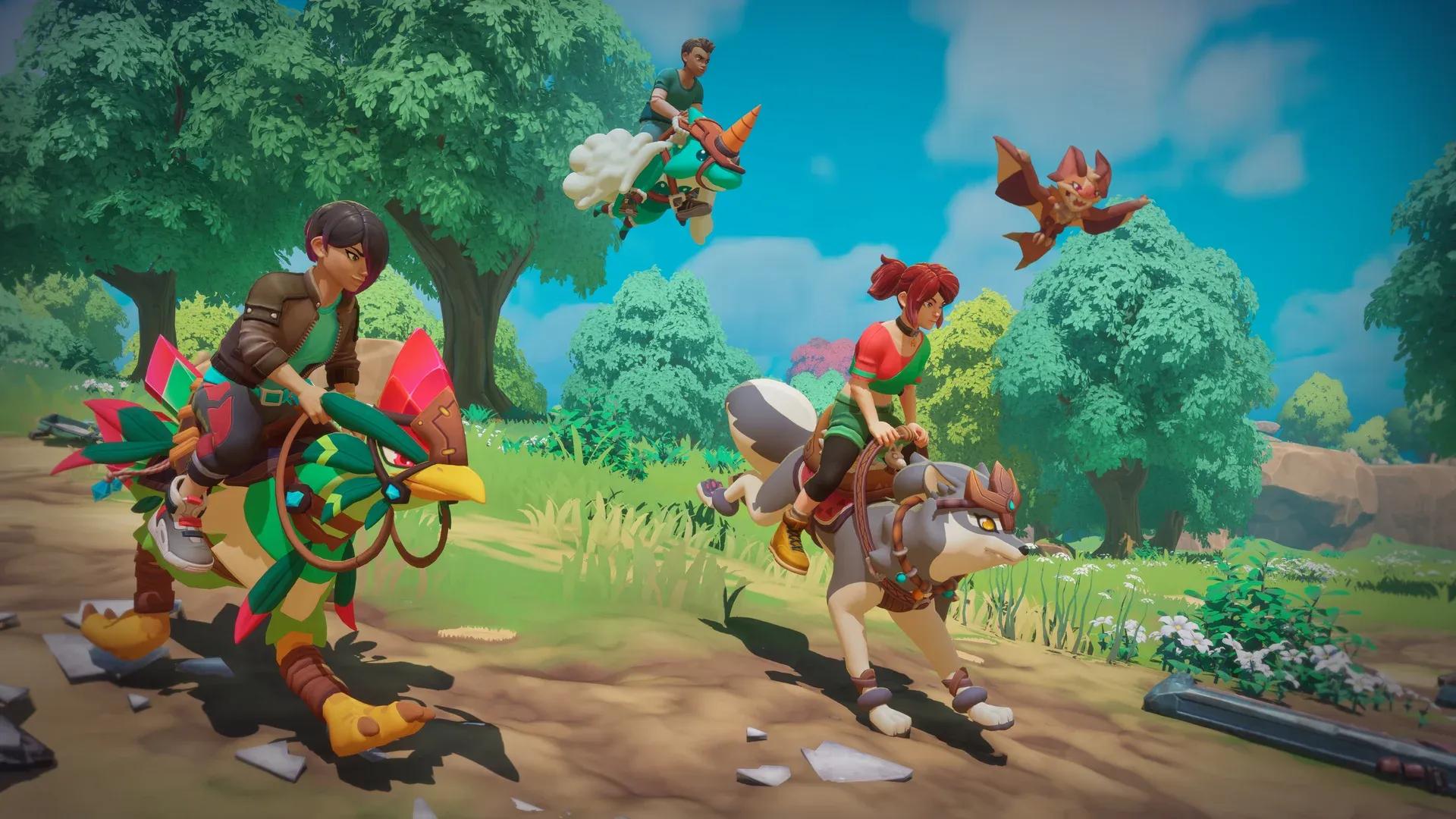
Premium game graphics are no longer just a visual luxury; they are a retention engine. However, rendering high-fidelity environments on lower-end hardware creates a technical bottleneck that can frustrate players and drive them away. For indie developers, the challenge is not just making games look good, but ensuring those visuals run smoothly on devices like the Nintendo Switch, mobile phones, and older PCs.
The trade-off is immediate and measurable. When a game targets 60 frames per second (fps) on high settings but drops to 20 fps on low settings, player retention plummets. Recent indie hits that have succeeded in this space have done so by optimizing asset delivery rather than simply scaling down resolution. They use techniques like dynamic resolution scaling and intelligent texture streaming to maintain visual integrity without sacrificing performance.
One effective strategy is aggressive texture compression. By using formats like ASTC for mobile and BC7 for PC, developers can reduce memory bandwidth usage significantly. This allows for richer visual details without overwhelming the GPU. A well-compressed texture pack can reduce load times and prevent stuttering, which is often more damaging to player experience than slightly lower texture quality.
Another critical factor is draw call optimization. Modern engines allow for complex lighting and shadows, but these come at a high performance cost. Indie developers are increasingly using baked lighting for static objects and reserving real-time lighting for key interactive elements. This approach maintains the aesthetic appeal of premium graphics while keeping frame rates stable. The result is a game that feels polished and responsive, regardless of the hardware it runs on.
The goal is not to strip away visual fidelity but to deliver it efficiently. Players will forgive lower polygon counts if the frame rate is stable. They will not forgive stuttering or input lag, even if the graphics are stunning. By prioritizing performance optimization, indie developers can ensure their premium visuals serve as a retention tool rather than a barrier to entry.
Common questions about visual quality
Indie developers often worry that chasing photorealism is a financial dead end. The data suggests otherwise, provided the art style serves the gameplay loop. High-fidelity graphics are no longer the exclusive domain of AAA studios; modern engines like Unreal Engine 5 and Unity HDRP have democratized access to ray tracing and advanced lighting. The question is no longer "can we afford it?" but "does it keep players engaged?"
Does high-end graphics actually improve retention for indie titles?
Yes, but only when the visual fidelity matches player expectations for the genre. A study of recent indie hits shows that games with polished, consistent visual identities see 20-30% higher day-30 retention than those with "good enough" assets. Players associate high-quality lighting, texture resolution, and particle effects with value. If an indie game looks like a prototype, players assume the gameplay is unfinished too. Conversely, a stylized but technically impressive look signals polish, encouraging longer play sessions.
Is investing in premium graphics worth the development cost?
The return on investment depends on efficiency. Using pre-built, high-quality assets from marketplaces can reduce art production time by half while maintaining a premium look. The cost isn't just in modeling; it's in optimization. A game that looks great but runs at 15 FPS will fail. Investing in technical art—ensuring the graphics run smoothly on target hardware—is more valuable than raw polygon count. The best indie titles use graphics to clarify mechanics, not just decorate them.
How do visual quality and performance balance out?
Performance stability is the baseline; visual quality is the differentiator. A locked 60 FPS with mid-range graphics often outperforms a variable 30-60 FPS with ultra-settings. Players forgive lower resolution textures more than they forgive stuttering. Optimize for consistent frame times. Use scalable settings so players on weaker hardware can still enjoy the game, while enthusiasts can push the visual fidelity. This approach maximizes the total addressable market without sacrificing the premium feel that drives word-of-mouth marketing.
No comments yet. Be the first to share your thoughts!