

Why sprite quality matters
Character sprite packs are the visual foundation of any 2D indie game. In 2026, player expectations for visual fidelity have risen significantly. A well-crafted sprite pack does more than just fill space; it defines the game's identity and influences how players perceive the world. When characters move with fluidity and detail, the game feels alive. Conversely, inconsistent or low-resolution assets can break immersion immediately, making even a solid gameplay loop feel unfinished.
The impact of art style extends beyond aesthetics. Consistent visual quality directly affects player retention. Studies in game design suggest that polished visuals signal professionalism and care, encouraging players to invest more time in the experience. A cohesive sprite pack ensures that every character, from the hero to the background NPC, shares the same visual language. This unity prevents the jarring effect of mismatched assets, which can distract from the narrative and mechanics.
For indie developers, time is often the scarcest resource. Choosing a high-quality sprite pack allows teams to focus on gameplay mechanics rather than spending weeks animating basic movements. The right assets provide a professional baseline that elevates the entire project. By prioritizing visual fidelity from the start, developers can create a more engaging and memorable experience without compromising on development speed.
Top premium character sprite packs
The market for premium character sprite packs has shifted from simple pixel art to highly modular, animation-rich systems that save developers dozens of hours. When selecting assets, the priority is often consistency: does the lighting match your art style? Do the animations feel responsive? The following examples represent some of the most highly regarded collections for indie developers in 2026, chosen for their technical completeness and artistic versatility.
Pixel Fantasy Heroes
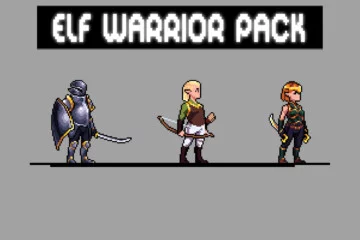
This pack is a staple for retro-style RPGs and platformers. It features a comprehensive set of character classes, including warriors, mages, and rogues, each with a full suite of animations for idle, running, jumping, and combat. The pixel art is crisp and scalable, maintaining clarity even at smaller resolutions. A major advantage is the inclusion of weapon variants and armor sets that swap seamlessly without breaking the animation rig, allowing for easy character customization within the engine.
Modern Urban Civilians
For contemporary settings, this collection offers realistic human characters with a focus on natural movement and diverse appearances. The sprites are designed with a slightly stylized realism, avoiding the uncanny valley while still feeling grounded. It includes extensive facial expressions and hand-drawn gestures, which are critical for dialogue-heavy games. The asset files are organized by gender and activity, making it straightforward to populate a busy city street or a cozy cafe scene.
Sci-Fi Mechs and Pilots
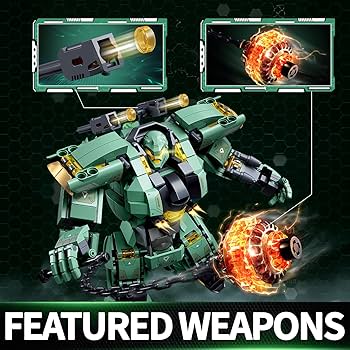
This pack targets the space and cyberpunk genres, providing detailed mechanical designs alongside the pilot characters inside. The sprite sheets include complex mechanical parts that animate independently, such as rotating thrusters or extending weapon arms. The color palette is dominated by high-contrast neons and dark metallics, suitable for dark sci-fi atmospheres. The rigging is robust, allowing for smooth transitions between standing, walking, and flying states, which is essential for fast-paced action games.

- Realistic movement
- Diverse appearances
- Dialogue expressions
As an Amazon Associate, we may earn from qualifying purchases.
Comparing sprite pack features
Choosing the right character sprite pack requires looking beyond the preview image. The visual style is just the surface; the underlying technical specs determine how easily these assets integrate into your game engine and how they perform on player devices. When evaluating character sprite packs, focus on animation complexity, file formats, and licensing terms to avoid costly rework later in development.
Animation complexity and resolution
Not all sprite packs are created equal. Some offer simple idle and walk cycles, while others provide full combat animations with multiple directional views. Higher resolution sprites (like 64x64 or 128x128) scale better for modern displays but increase file size. Ensure the pack matches your game’s visual fidelity and performance targets.
Licensing and commercial use
Licensing varies widely. Some packs are free for personal use only, while others allow commercial projects with attribution. Premium packs often include broader rights, but always read the fine print. Misunderstanding licensing can lead to legal issues or forced removals from stores.
File format and engine compatibility
Most modern engines support PNG, JSON, or specific sprite sheet formats. Check if the pack includes metadata for animation timing. Unity and Godot users should verify compatibility before purchasing to ensure smooth integration.
| Feature | Basic Pack | Premium Pack | Enterprise Pack |
|---|---|---|---|
| Animation Frames | 16-32 frames | 64-128 frames | 128+ frames |
| Resolution | 32x32 px | 64x64 px | 128x128 px |
| Licensing | Non-commercial | Commercial with attribution | Full commercial rights |
| File Formats | PNG only | PNG + JSON | PNG + JSON + PSD |
| Support | Community forums | Email support | Dedicated account manager |
Where to find free game icons
When budget constraints limit your ability to purchase premium character sprite packs, you can still build a polished indie game by sourcing assets from community-driven repositories and dedicated free asset libraries. These platforms allow you to mix and match high-quality 2D character sprites, platformer tilesets, and GUI elements without upfront costs. The trade-off is usually a need for careful curation to ensure visual consistency across your project.
itch.io remains the most reliable starting point for independent developers. The platform hosts a vast collection of free game assets tagged specifically for 2D development. You can filter by style, such as pixel art or hand-drawn, to find character sprites that match your game’s aesthetic. Because the community is heavily focused on indie development, the assets are often ready for immediate integration into engines like Unity or Godot.
For more structured collections, Game Art 2D offers a curated selection of completely free assets. The library includes distinct categories for characters, environments, and user interfaces, making it easier to maintain a cohesive look. While the selection is smaller than itch.io, the assets are generally higher quality and more consistently styled, reducing the time spent on asset preparation.
OpenGameArt.org serves as another solid resource, particularly for developers using Unity or other open-source engines. It aggregates assets from various creators, providing a wide range of options for basic character sprites and environmental icons. When using these sources, always verify the license terms for each asset to ensure compliance with your game’s distribution model.
Choosing the right character sprite pack
Selecting a character sprite pack is less about finding the prettiest art and more about ensuring the assets fit your engine’s technical constraints and your game’s specific genre. A mismatch here creates friction during development, forcing you to redraw animations or struggle with rigid animation timelines. The goal is to find a bundle that respects your workflow, not one that demands you adapt to it.
Match the genre first
Not all sprite packs are created equal. An RPG character pack will include idle, walk, run, and attack animations, but it might lack the specific "jump" or "dash" frames required for a platformer. Conversely, a casual mobile game pack might focus on simple, looping idle animations that feel static in a high-speed action game. Always check the animation list against your genre’s core mechanics before buying.
Check the technical specs
Engine compatibility is the silent killer of indie projects. Verify that the sprite sheet format (usually PNG or a specific sprite atlas format) works with your engine, whether that’s Unity, Godot, or GameMaker. Pay attention to the pixel art resolution. A 16x16 pixel character will look pixelated if you scale it up to fit a 4K screen without proper nearest-neighbor filtering settings. Ensure the pack provides the necessary resolution or allows for clean upscaling.
Evaluate the art style consistency
A sprite pack should feel like a cohesive unit. If you buy a "fantasy hero" pack, the lighting, color palette, and line weight should match across all characters. Inconsistencies become glaringly obvious when a hero stands next to an enemy. Look for packs that offer a full roster of characters and enemies using the same art pipeline. This ensures your game looks polished without requiring extensive post-processing to unify disparate assets.

As an Amazon Associate, we may earn from qualifying purchases.
No comments yet. Be the first to share your thoughts!